The automotive industry is on the cusp of a new era, driven by the powerful synergy between electric vehicles (EVs) and the Internet of Things (IoT). This convergence is not merely about adding internet connectivity to cars; it represents a fundamental shift in how vehicles are designed, manufactured, sold, and experienced. This article explores the multifaceted impact of the EV-IoT convergence, examining its transformative influence on the automotive landscape and the future of mobility.
The Convergence of EVs and IoT: A Transformative Synergy
The integration of IoT technology into EVs goes beyond simply adding internet connectivity. It creates a network of interconnected systems within the vehicle and extends its reach into the broader transportation ecosystem. This interconnectedness is transforming the driving experience, enabling new business models, and reshaping the automotive industry as a whole.
Enhanced Driving Experience
IoT-enabled EVs offer a significantly enhanced driving experience, providing features like real-time traffic updates, remote diagnostics, and personalized infotainment, contributing to the hyper-personalization of in-car experiences. Drivers can access information about charging station availability, optimize their routes based on traffic conditions, and benefit from the evolution of advanced driver-assistance systems. 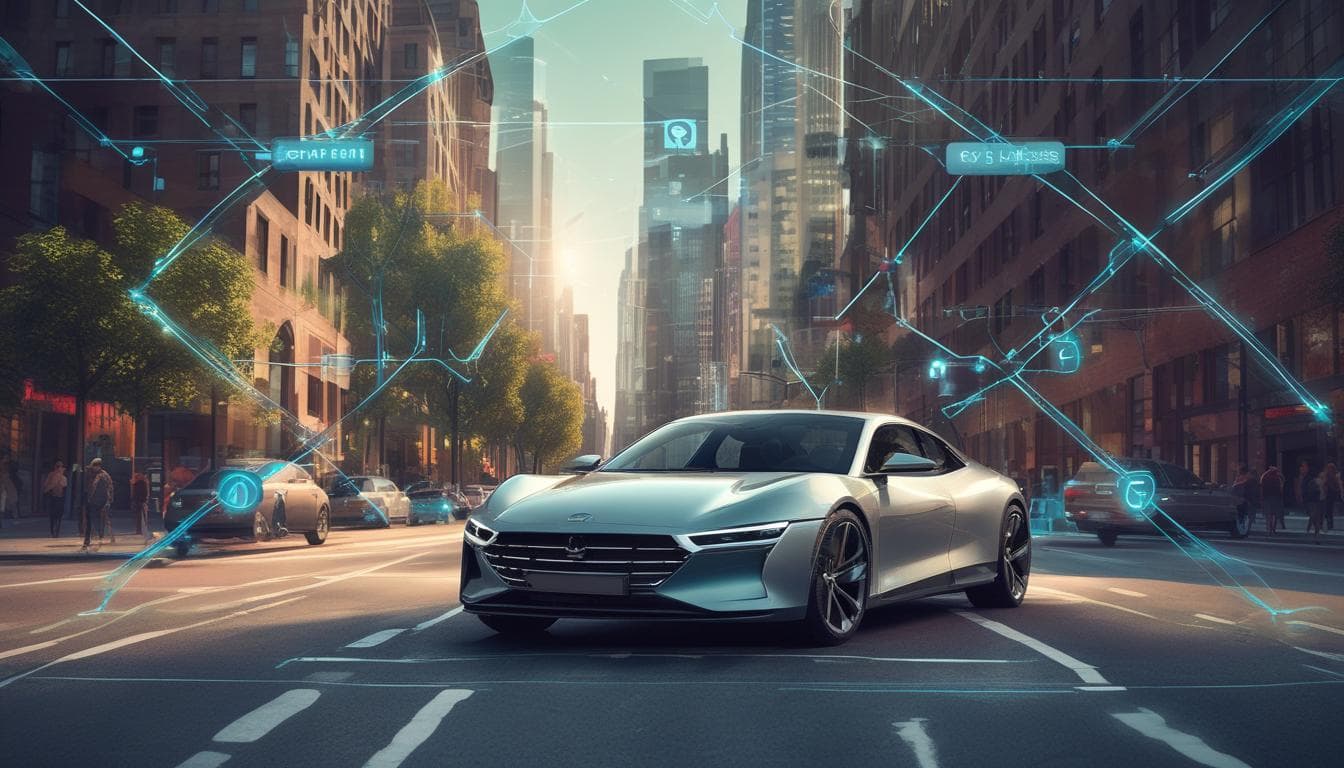
Data-Driven Insights
The vast amounts of data generated by connected EVs provide valuable insights into driver behavior, vehicle performance, and road conditions. This data can be used to improve vehicle design and optimize manufacturing processes, showcasing the AI revolution in automotive. Furthermore, predictive maintenance in the automotive industry is one key area benefiting from these real-time insights. 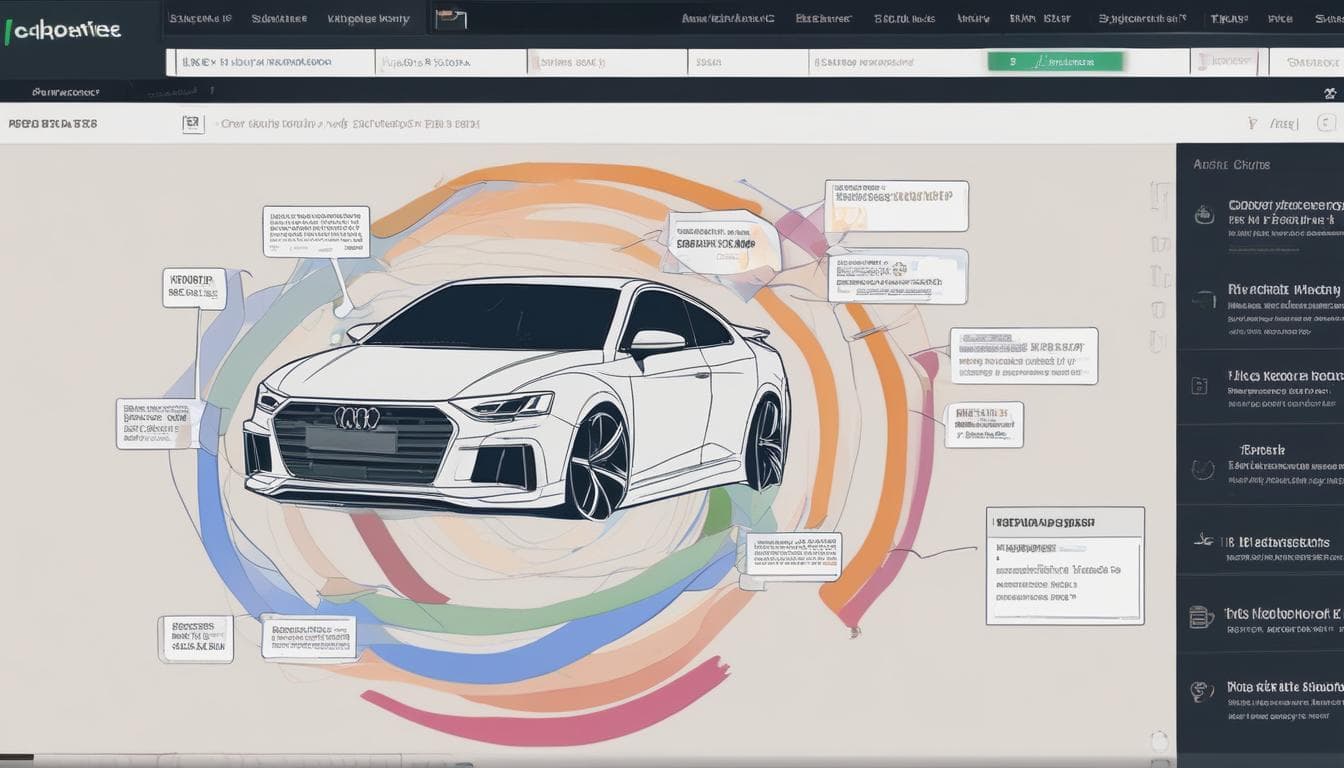
Transforming the Automotive Ecosystem
The EV-IoT convergence is not only changing the vehicles themselves but also transforming the entire automotive ecosystem. This transformation is evident in various aspects of the industry, from manufacturing and sales to infrastructure development and the role of automotive manufacturers.
Smart Manufacturing and Supply Chain
IoT sensors and data analytics are optimizing manufacturing processes, enabling real-time monitoring of production lines and efficient management of the supply chain. This leads to increased productivity and improved quality control, further propelled by the robotics revolution. 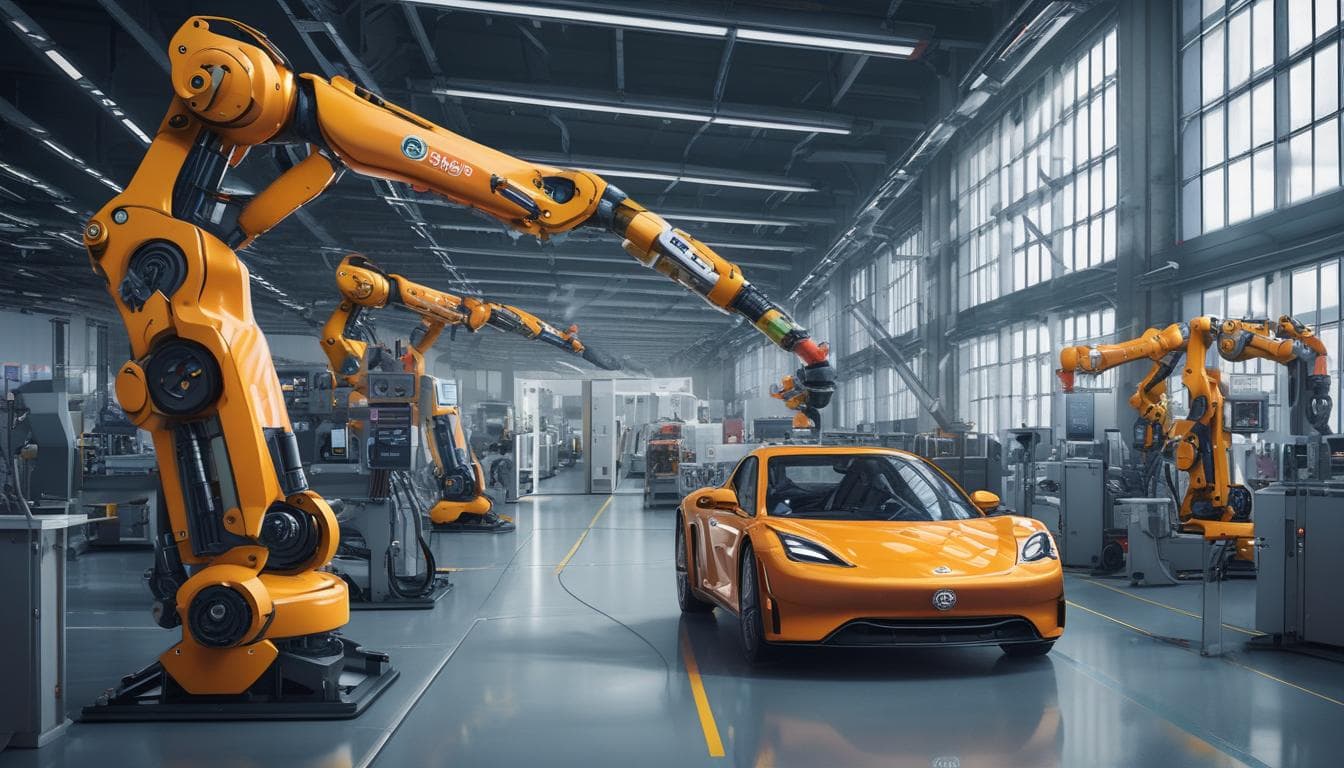
New Business Models
The convergence of EVs and IoT is fostering the emergence of new business models, such as battery-as-a-service, charging-as-a-service, and data-driven insurance. The rise of Anything as a Service (XaaS) exemplifies this trend, offering consumers more flexible and personalized options. 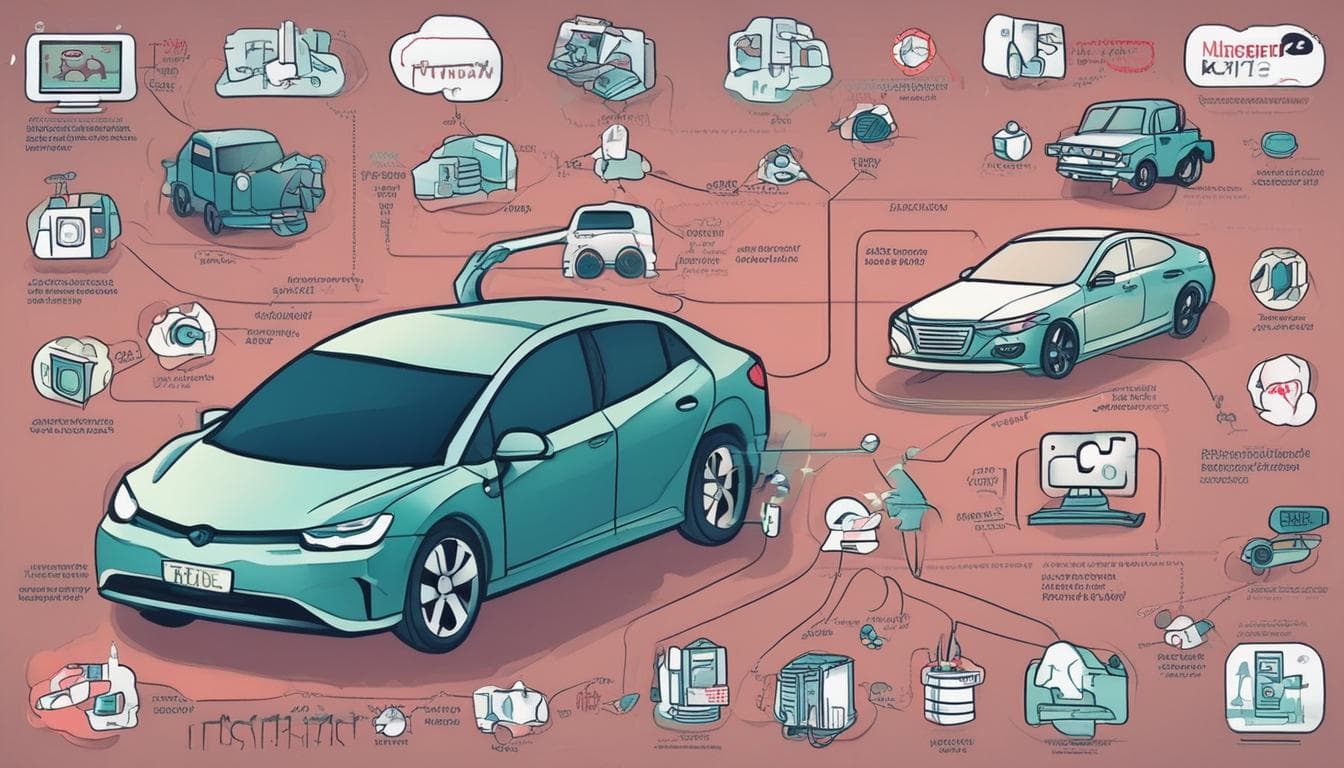
Challenges and Opportunities
While the EV-IoT convergence presents significant opportunities, it also comes with its share of challenges. Addressing these challenges is crucial for realizing the full potential of this technological shift.
Data Security and Privacy
The increasing amount of data generated and transmitted by connected EVs raises concerns about data security and privacy. Robust cybersecurity measures, vital for protecting connected vehicles from emerging threats, are essential to protect sensitive data from unauthorized access and misuse. 
Infrastructure Development
The widespread adoption of EVs requires significant investments in charging infrastructure and smart grids, including advancements like vehicle-to-grid (V2G) technology. Building a robust and accessible charging network is crucial for supporting the growing number of EVs on the road. 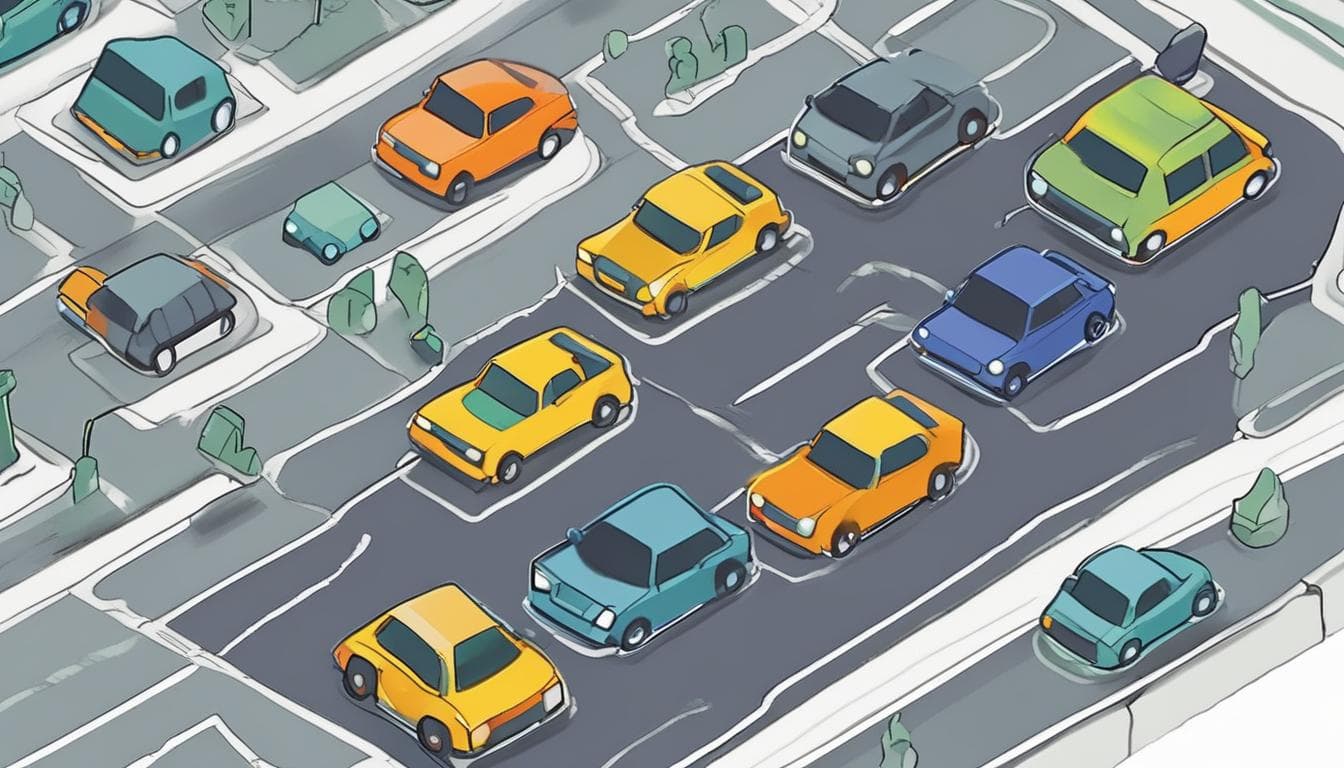
Conclusion
The convergence of EVs and IoT is revolutionizing the automotive industry, creating a new era of connected, intelligent, and sustainable mobility. This transformation presents both challenges and opportunities for automotive manufacturers, technology companies, and policymakers. By addressing the challenges related to data security and infrastructure, and by embracing the opportunities for innovation, the industry can shape a future of transportation that is safer, more efficient, and more sustainable, contributing to the circular economy and the ongoing electric vehicle revolution. The future of mobility is connected, and the journey has just begun.