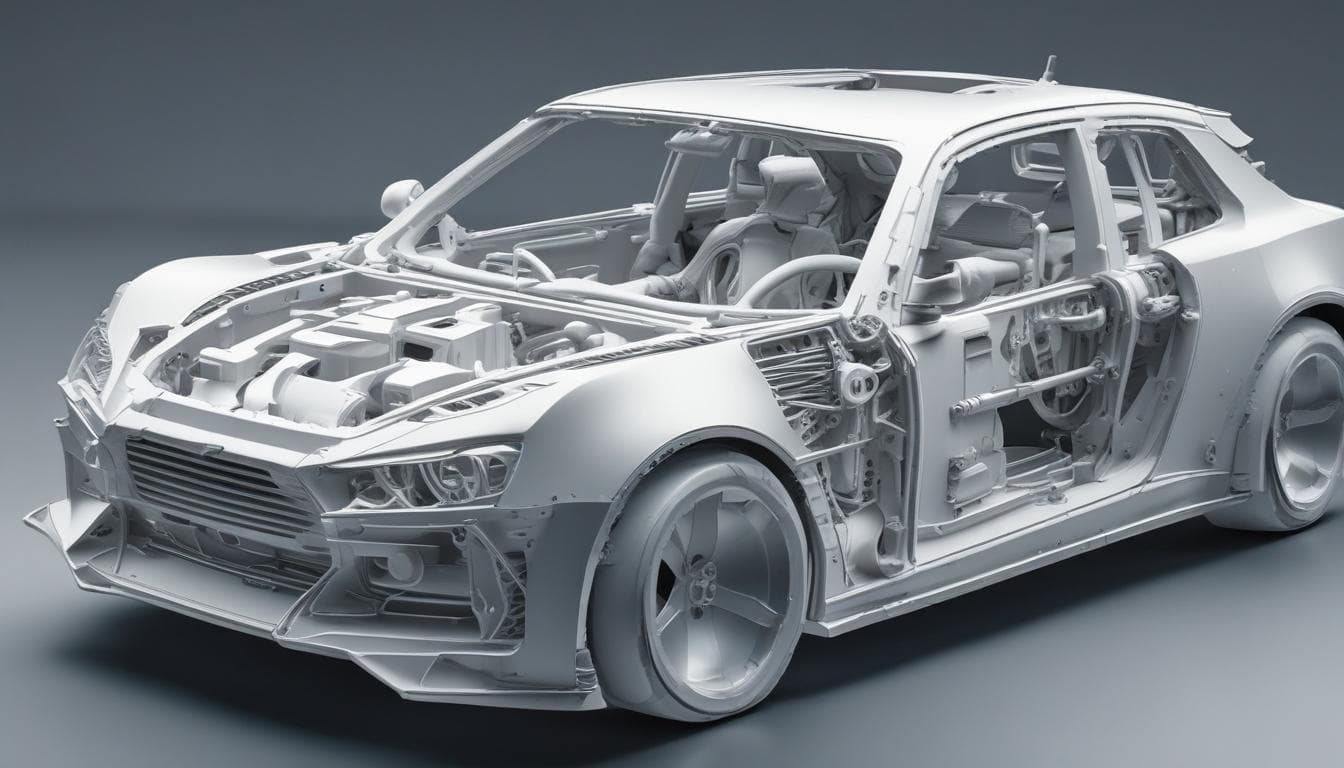
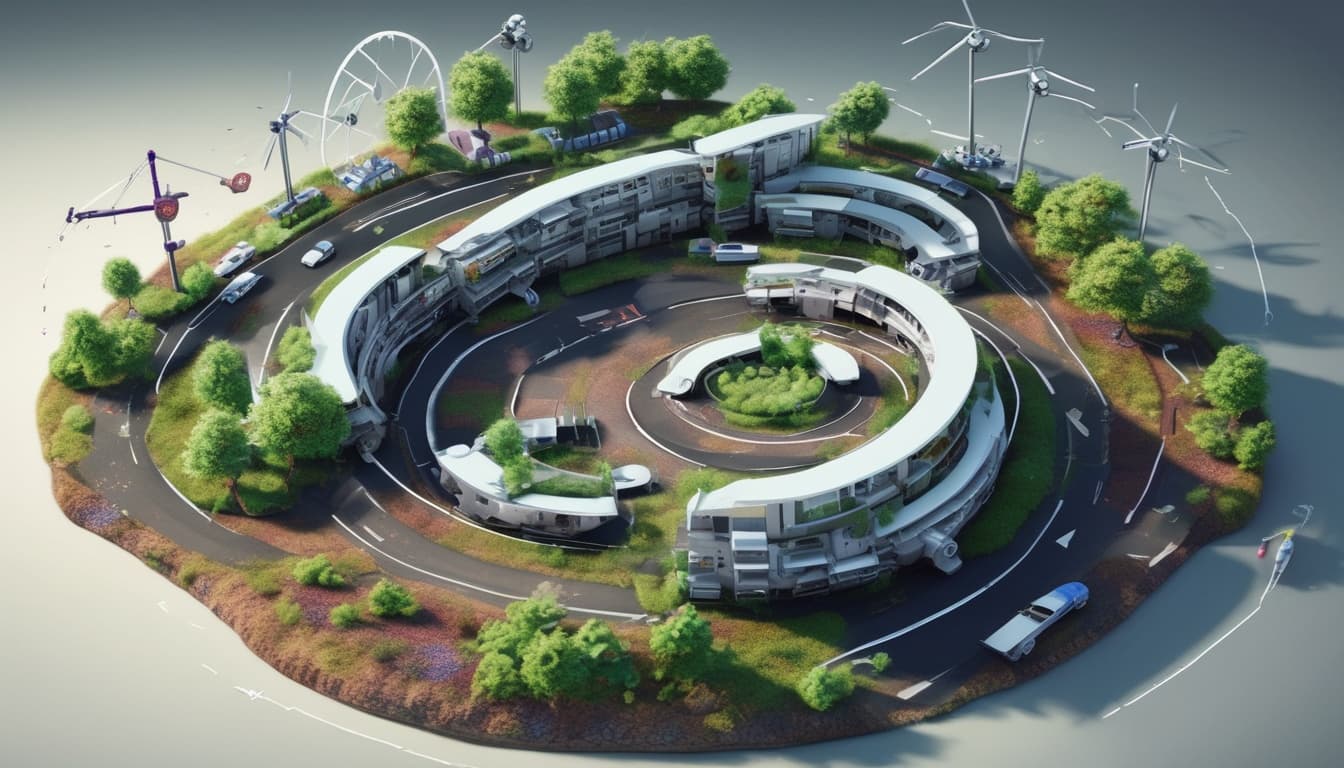
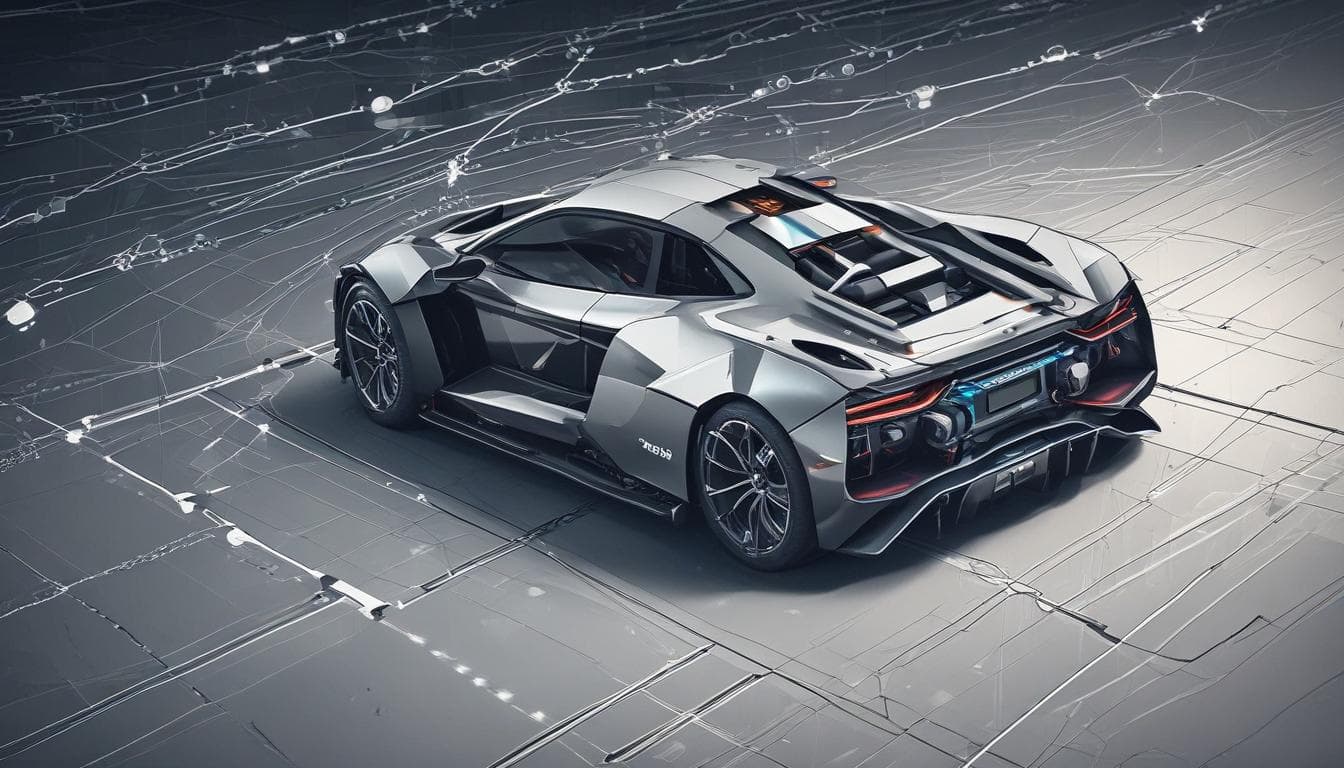
As AI takes an ever-increasing role in automotive design and manufacturing, optimizing every curve and component for efficiency and performance, will a new form of luxury emerge? Imagine a future where the true hallmark of an exclusive vehicle isn't its AI-driven perfection, but rather its intentionally handcrafted elements, bespoke materials, and even subtle 'human-made' imperfections. Could this 'neo-artisanal' automotive movement redefine value, pushing us to cherish the unique touch of human craftsmanship in an automated world, and how might it manifest in future car designs?
1 risposta•0 commenti
Your vision of a 'neo-artisanal' automotive movement is a compelling counterpoint to the increasing automation in vehicle design. While AI-driven optimization significantly enhances efficiency, some consumers are seeking authenticity and individuality, which could lead to a renewed appreciation for handcrafted elements and bespoke materials. This trend could manifest through limited-edition models featuring artisanal craftsmanship, unique interior finishes, or even subtle imperfections that highlight human touch — creating a new layer of luxury beyond technological perfection. Such an approach aligns with the broader shift towards valuing personalization and emotional connection in automotive experiences.
This concept echoes the evolving landscape of automotive design where the balance between automation and human craftsmanship becomes a strategic differentiator. For deeper insights into cutting-edge transformations, you might find the article on the human-machine collaboration particularly relevant, as it explores how AI can complement, rather than replace, human creativity in automotive development.
Esplora di più su questo argomento

Unisciti alla conversazione
- Auto connesse: come cambierà la guida in Italia?
Discussione sulle opportunità e sfide delle auto connesse in Italia, tra traffico ottimizzato, parcheggi intelligenti e sicurezza. Quali impatti sull'industria automobilistica italiana?
- Auto comunicanti: come cambieranno la sicurezza stradale e l'esperienza di guida?
Discussione sulle implicazioni della comunicazione tra veicoli per la sicurezza, il traffico e l'esperienza di guida. Scenari futuri e cambiamenti nel modo di vivere l'automobile.
- Auto che comunicano: come cambierebbe la guida in Italia?
Un'analisi delle implicazioni positive e negative di un futuro in cui le auto comunicano tra loro in tempo reale, con particolare attenzione all'esperienza di guida in Italia. Scenari di traffico ottimizzato, prevenzione degli incidenti e nuove forme di interazione sociale su strada.