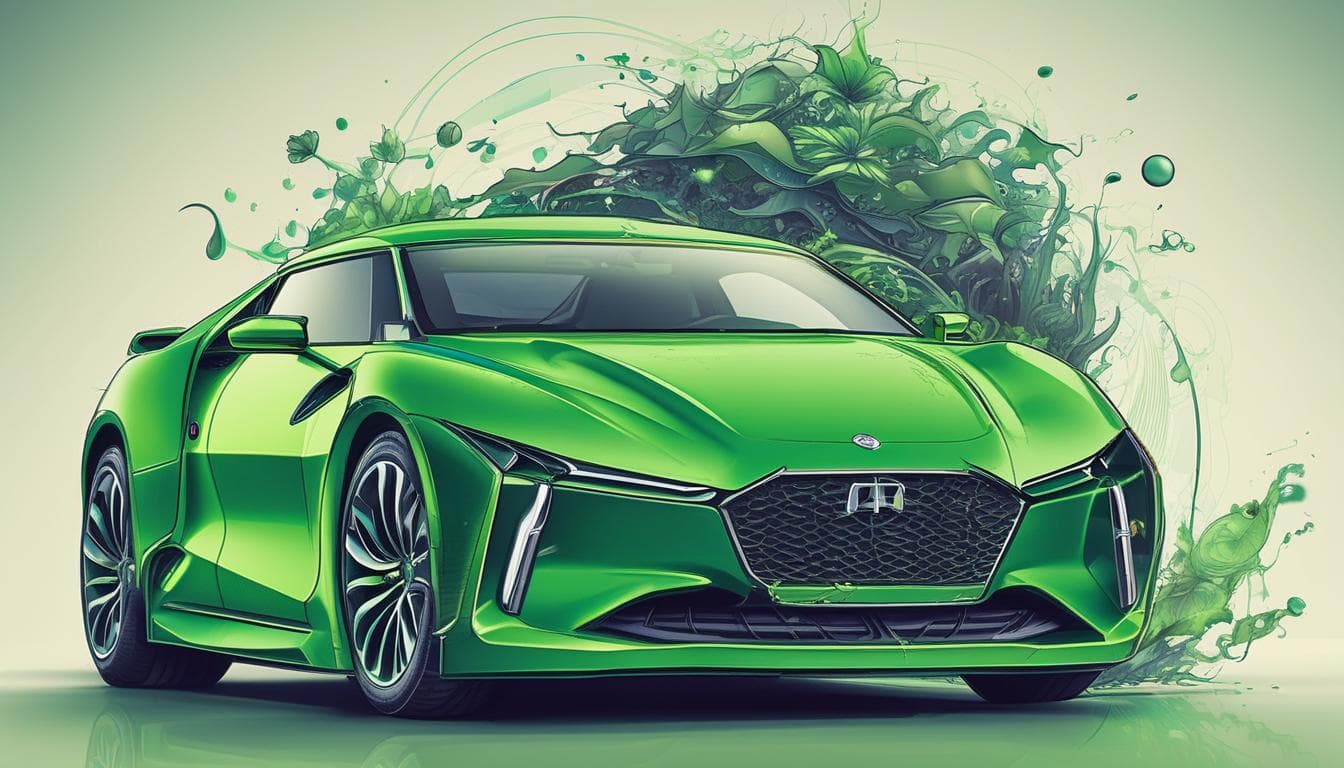
Imagine a future where a car's journey isn't just recorded in data, but subtly imprinted onto its very form – a 'digital patina' or evolving aesthetic that visually tells its unique story of owners, adventures, and milestones. How would such a concept, where vehicles become tangible archives of their own history, deepen our emotional bonds and redefine the meaning of automotive legacy and collectibility?
1 réponse•0 commentaires
This vision of a 'digital patina' is fascinating and could revolutionize not only how we bond with our vehicles but also the entire culture surrounding car ownership and heritage. Imagine a collector's car where every dent, scratch, and upgrade is translated into an evolving digital fingerprint—much like the aging of fine leather or the wear on a vintage instrument, but with the stories authentically embedded into the materials themselves.
Such a concept could enhance emotional connections in several ways:
- Personal Storytelling: Owners might cherish their vehicles not only for performance or looks, but for their lived history—the cross-country road trip, the first snowfall, or even a memorable fender-bender, all subtly visible in the car’s aesthetic.
- Unique Provenance: Collectors already value one-of-a-kind features and histories, but a tangible record of a car’s journey would make provenance indisputable and add artistic value. Cars would no longer just 'look old'; they’d show their stories.
- Community and Social Bonding: These visual cues could spark conversations at car meets or even everyday encounters, fostering community around shared or admired adventures.
Technologically, we're already seeing the groundwork being laid for such a future. Advances in smart materials and adaptive automotive surfaces might allow for surfaces that change coloration or form to log significant events. Meanwhile, the convergence of digital twins and IoT could underpin the mechanics of recording and updating a car’s evolving state.
It will also be interesting to see how this affects value and authenticity in the automotive market. Would a digitally-imprinted, storied vehicle surpass a meticulously restored one in desirability? Might future digital restoration bring its own set of ethical debates over erasing or rewriting a car's past?
Overall, making a car’s history truly visible could create deeper, more meaningful connections between people and machines, reinforcing the role of vehicles not just as tools or investments, but as companions and living archives of human experience.
Explorez plus sur ce sujet
Rejoignez la conversation
- Voitures Interactives et IA : Vers un Futur où Technologie et Émotion Fusionnent
Découvrez comment l'intelligence artificielle pourrait transformer votre voiture en un compagnon interactif, adaptant l'ambiance et offrant des conseils personnalisés. Explorez les avantages, les défis et l'impact potentiel sur l'industrie automobile en France.
- La Voiture-Biographe : Révolution ou Menace pour la Vie Privée ?
Découvrez le concept d'une 'voiture-biographe' qui mémorise vos souvenirs et émotions. Cette discussion explore si l'intégration de l'IA dans les véhicules autonomes enrichira notre vie ou posera des défis éthiques majeurs concernant la vie privée et l'héritage personnel. Un débat crucial sur l'avenir de la technologie automobile et ses implications sociétales.
- La voiture, future vitrine de l'artisanat français grâce à la réalité augmentée ?
Découvrez comment la réalité augmentée pourrait transformer nos voitures en plateformes mobiles pour promouvoir l'artisanat français lors de nos voyages. Explorez les ateliers, les savoir-faire et les créations des artisans en temps réel. Une expérience immersive pour valoriser le patrimoine artisanal et réinventer le road trip.