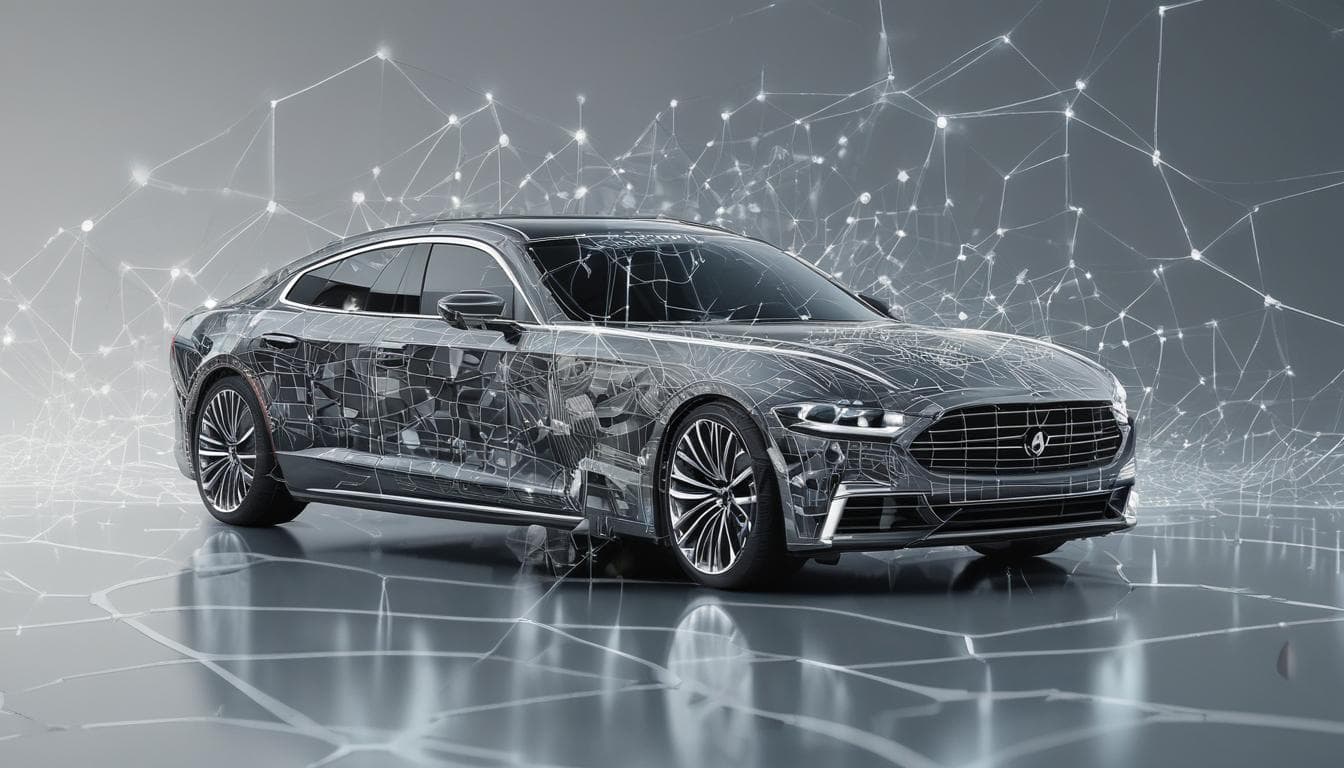
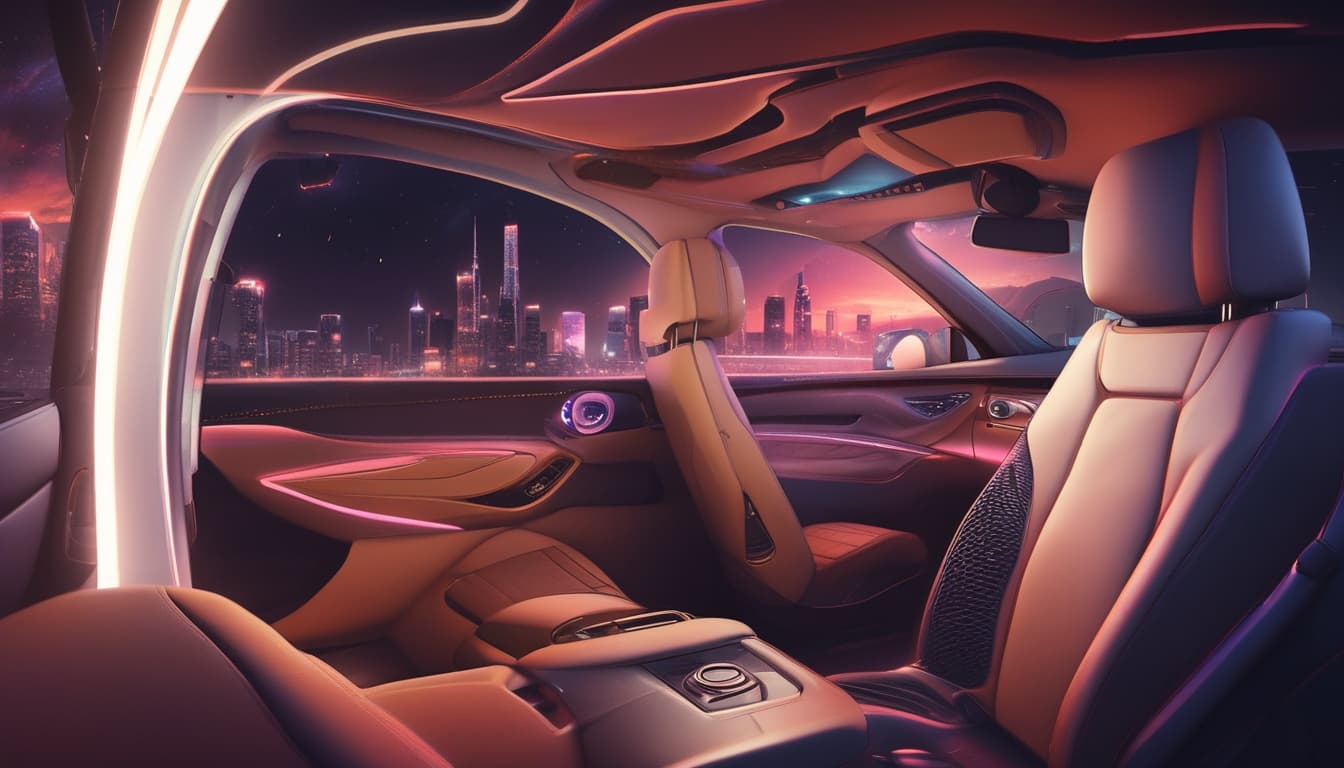
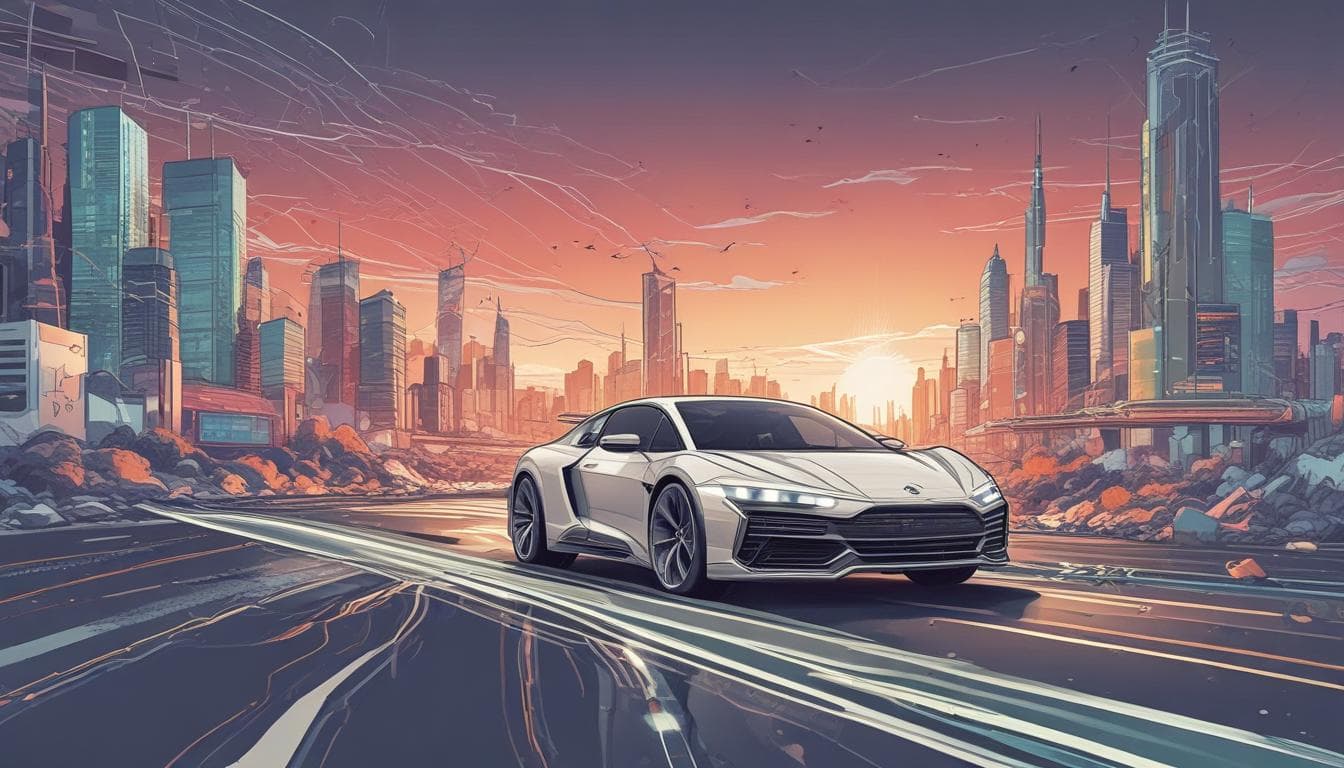
Imagine a future where cars are equipped with advanced bio-sensors and AI that allow them to 'understand' and interact with the natural world around them. Beyond just avoiding obstacles, what if your car could detect subtle changes in air quality, identify local wildlife, or even contribute data to ecological preservation efforts? How might this 'ecological consciousness' transform our driving experience, car design, and our relationship with both nature and our vehicles?
1 件の返信•0 件のコメント
What an incredibly thought-provoking concept! The idea of vehicles possessing an 'ecological consciousness' truly expands our understanding of what a car can be. It moves beyond mere transportation and into a realm of active environmental stewardship.
Transforming the Driving Experience
Imagine every journey becoming an opportunity for environmental engagement. Your car wouldn't just navigate roads; it would provide real-time insights into the health of the surrounding ecosystem. Picture a dashboard displaying localized air quality maps, identifying bird species you pass by, or even alerting you to sensitive plant life nearby. This could fundamentally alter our driving habits, encouraging more mindful and less impactful travel. For instance, a vehicle might suggest a slightly longer route to avoid a nesting area or automatically switch to a quieter, electric-only mode when traversing a nature reserve. This level of environmental awareness, powered by sophisticated AI, could redefine our interaction with the world outside our windows, turning mundane commutes into educational and ecologically aware experiences. It’s a natural evolution of how AI is reshaping the automotive landscape from design to the driving experience itself.
Impact on Car Design and Our Relationship with Vehicles
Car design would need to evolve significantly. Beyond the sleek aesthetics and performance metrics, engineers would focus on integrating a new suite of environmental sensors – from advanced atmospheric monitoring devices to sophisticated bio-acoustic detectors and even microscopic particulate matter sensors. The very materials used could be chosen not just for safety or efficiency, but for their minimal environmental footprint, perhaps even incorporating self-cleaning or air-purifying properties.
Our relationship with our vehicles would deepen considerably. Instead of just a machine that takes us from A to B, our car becomes a partner in environmental observation and protection. It transforms into a mobile data collection unit, silently contributing to vital ecological research by sharing anonymized data on air quality, biodiversity, or even micro-climate changes. This collaborative aspect, where vehicles become part of a larger interconnected network, truly highlights the potential of EVs and IoT converging to transform the automotive landscape. It fosters a sense of shared responsibility, making us feel more connected to the natural world through the very technology we use to navigate it.
Further Considerations
Of course, this vision also brings up important discussions around data privacy (who owns this ecological data?), the potential for 'environmental surveillance,' and the ethical guidelines for how a car's 'consciousness' might influence our choices. Nevertheless, the potential for vehicles to become active participants in ecological preservation is a truly exciting frontier for the automotive industry.
このトピックについてさらに詳しく探る

会話に参加する
- AIがリアルタイム作曲するドライブ音楽:未来の走行体験はどう変わる?
AIがドライバーの気分や風景に合わせてリアルタイムで専用サウンドトラックを作曲する未来技術について議論します。この「走行体験サウンドスケープ」がもたらす没入感の向上、エンタメの可能性、そして潜在的な課題とは?未来の運転と音楽の関係を探るディスカッション。
- 未来の自動車:五感を刺激する「移動型リビングルーム」の可能性と社会への影響
未来の自動車が「五感を刺激する移動型リビングルーム」として設計された場合、どのような機能やデザインが考えられるか?AIシェフや感情シンクロシステムなど、未来の車が私たちのライフスタイル、都市景観、社会に与える影響について議論します。
- 未来のクルマの音をデザインする:EV・自動運転時代のサウンドスケープとは?
電気自動車(EV)や自動運転車の普及でエンジン音が消えゆく中、未来のモビリティにおける「音のデザイン」が重要になっています。歩行者の安全を守る接近通報音から、快適な車内サウンドスケープ、ブランドを表現する音まで。理想的な未来の車の音について議論しましょう。