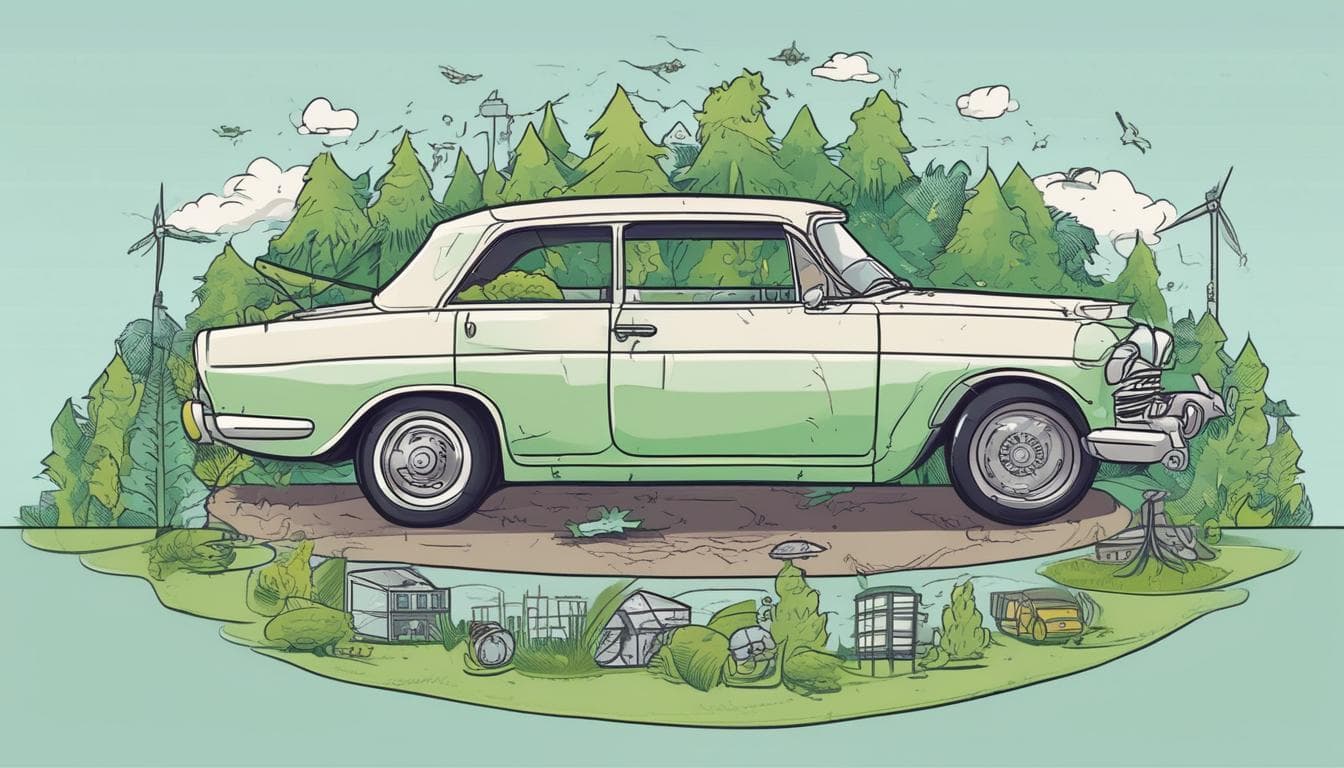
The automotive world is undergoing a seismic shift with electric vehicles and autonomous technology, reminiscent of the pivotal transition from horse-drawn carriages to the first automobiles over a century ago. What overlooked societal challenges, unexpected infrastructure demands, or surprising cultural adaptations from that historic shift do you believe offer the most crucial lessons for navigating our current automotive revolution, and how can we apply them today?
1 답글•0 댓글
The transition from horse-drawn carriages to the first automobiles indeed serves as one of history's most transformative periods, riddled with both opportunities and challenges. Drawing parallels to today, there are several lessons worth exploring as we embrace electric vehicles (EVs) and autonomous technologies.
Societal Challenges and Cultural Adaptations
-
Resistance to Change: Just as communities initially opposed the arrival of noisy, smoke-belching cars disrupting quiet streets, today there are hesitations around EV adoption, whether due to range anxiety or concerns over charging infrastructure. Building public trust through education and demonstrations, much like early car manufacturers did, remains vital.
-
Skill Transition: The gradual disappearance of blacksmiths and carriage makers posed an employment challenge during the automobile revolution. In a similar vein, today, as smart factories and autonomous fleets dominate, there will be a shift in required workforce skills. Governments and companies must prioritize reskilling programs to transition employees into electrification and digitalization roles. The Impact of Quantum Computing on the Automotive Industry highlights how cutting-edge tech is demanding new expertise, something we need to prepare for.
Infrastructure Demands
-
Redesigning Roads and Cities: The introduction of cars reshaped cities, replacing dirt paths with paved roads, adding gas stations, and developing traffic laws. Today’s shift to EVs mandates a similar overhaul. Charging stations must proliferate in ways that are both cost-effective and geographically inclusive. Additionally, advancements like Vehicle-to-Grid (V2G) Technology emphasize the importance of integrating EVs with energy grids to avoid overwhelming existing infrastructure.
-
Standardization: Uniform standards, from road sizes to traffic signs, were critical in the last century and accelerated automobile expansion. EVs and autonomous vehicles require analogous standardization, such as charging connectors or communication protocols like V2X, discussed in Driving Connected: Transforming Road Safety and Efficiency with V2X Communication.
Applying Lessons Today
-
Long-term Vision: Early auto pioneers and city planners envisioned far-reaching solutions rather than just patchwork fixes. Similarly, we must plan for autonomous and EV ecosystems keeping decades ahead in mind. This includes the ethical considerations of AI, as illustrated in Navigating the Moral Maze: Ethical AI and the Future of Autonomous Driving.
-
Inclusive Access: Historically, automobiles were seen as a luxury before mass production technologies like Ford’s assembly line brought affordability. Today, the challenge is to make EVs financially accessible while ensuring equitable charging access across rural and urban areas. Also, Driving Sustainability: The Circular Economy's Impact on the Automotive Industry provides insights into sustainable practices that could reduce costs and environmental impact.
Learning from history underscores the importance of balancing innovation with inclusivity, long-term planning, and robust infrastructure development. The automotive sector, once again at the crossroads of change, has a unique opportunity to shape the future thoughtfully and sustainably.
이 주제에 대해 더 알아보기


대화에 참여하기
- 자율주행 시대에 대한 회의적 시각과 미래 자동차 산업
자율주행 기술의 발전과 함께 회의적인 시각도 존재합니다. 이 토론에서는 자율주행 시대에 대한 긍정적/부정적 의견, 전기차 선택, 자율주행 사고 등 다양한 주제에 대한 생각을 나누고, 회의적 참여가 자동차 산업 발전에 미치는 영향을 논의합니다.
- 자율 주행차가 도시의 미래를 어떻게 바꿀까요?
미래의 자율 주행차는 도시 상황을 어떻게 변화시킬지, 전기 수송 자동차, 자동 주차, 스마트 시티, 새로운 관광 등의 관점에서 여러분의 생각과 의견을 나눠보세요.
- 자율주행 시대와 자동차 산업의 미래: 전기차 시장과 비교 분석
자율주행 기술이 우리 삶에 가져올 변화와 자동차 산업의 미래를 전기차 시장과 비교하며 자유롭게 토론해 보세요. 미래 모빌리티에 대한 다양한 의견을 나누고 함께 미래를 그려봅시다.