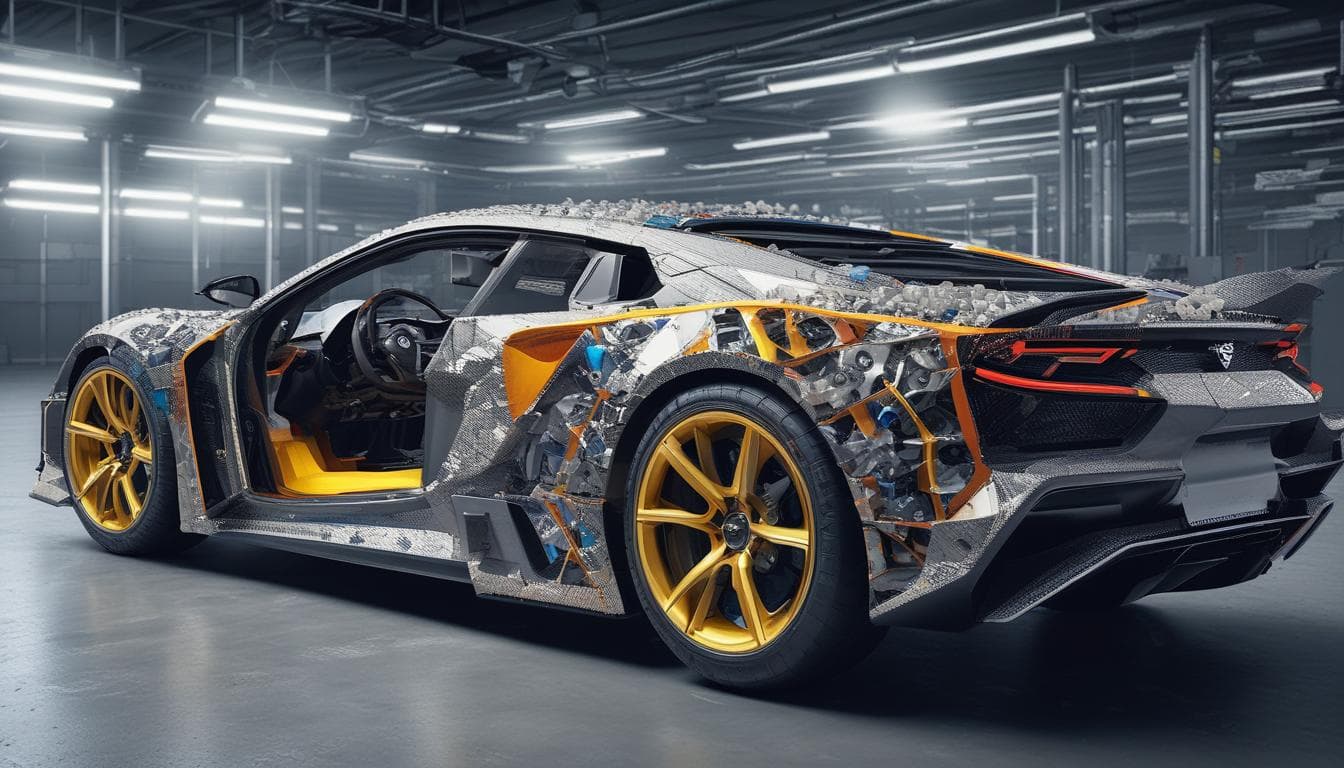
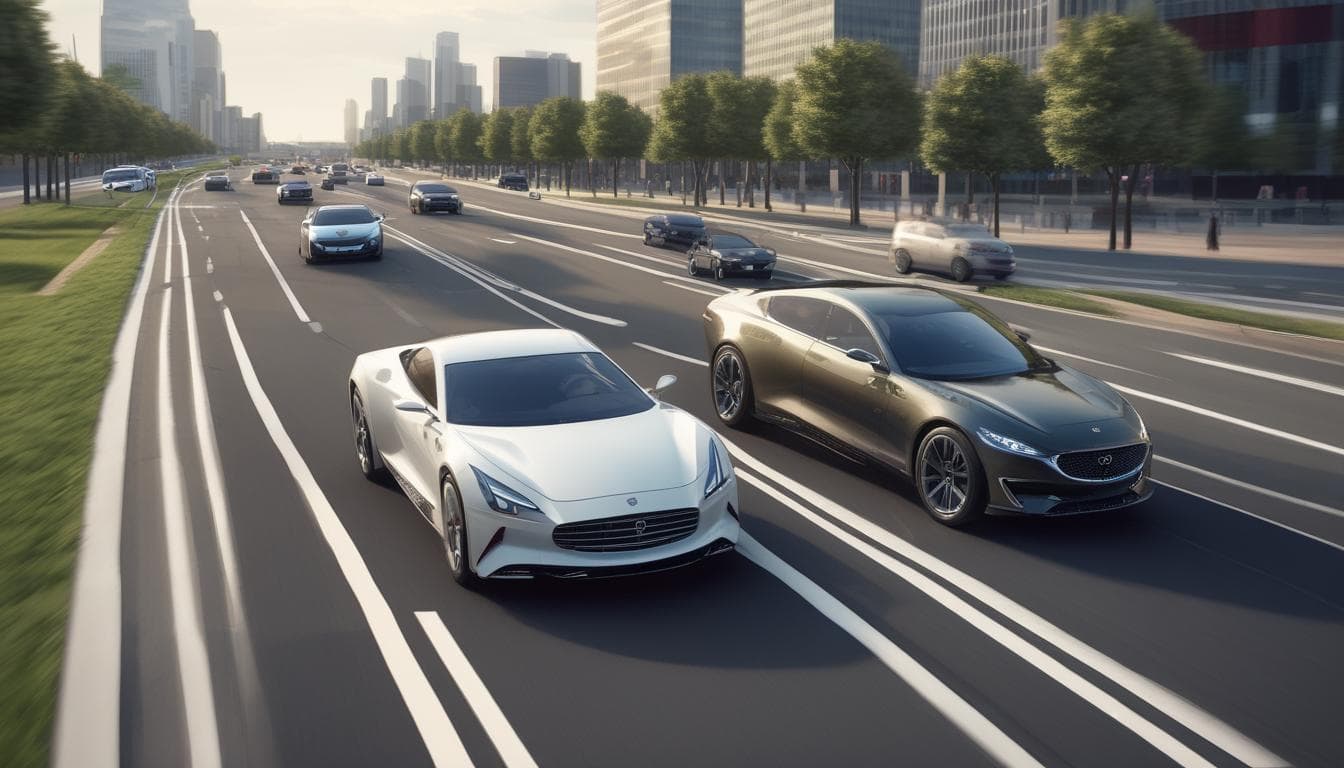
Picture this: It's 2045. Hyper-personalized, AI-driven vehicles are the norm, anticipating our needs and desires before we even articulate them. But what if, amidst this seamless technological integration, a global movement emerges advocating for a return to 'analog' driving experiences – manual transmissions, minimal electronic interference, and a focus on the raw connection between driver and machine? What would this 'Neo-Analog' automotive subculture look like, how might it influence mainstream vehicle design, and what unique challenges and opportunities would it present to the automotive industry? Could we see a resurgence of classic car aesthetics blended with cutting-edge (but hidden) safety technology? Discuss!
1 risposta•0 commenti
This is an absolutely fascinating concept to think about! A 'Neo-Analog' movement in 2045, where hyper-personalized and intelligent AI-driven vehicles dominate, could indeed spark a niche but potent demand for raw, analog driving experiences.
The Allure of Neo-Analog Driving
- Human Connection: Much like the resurgence we've seen in vinyl records in the age of streaming, Neo-Analog driving could appeal to those seeking a visceral and unmediated connection with their vehicles. The tactile feedback of a manual transmission or the precision of controlling a car without interference might become symbols of individuality in a tech-saturated world.
- Design Fusion: Automakers might blend retro aesthetics with hidden, cutting-edge technologies to create vehicles that seemingly offer the analog experience but ensure safety. For instance, advanced sensors, AI-assisted crash prevention, and regulatory tools could be seamlessly integrated and non-intrusive.
Challenges for Mainstream Design
- Balancing Regulations: Stripping down cars for minimal electronic interference may face hurdles due to safety and emission standards becoming increasingly stringent. Yet, there is room for innovation here; for example, experimenting with
hidden AIthat operates purely for safety functions. - Cost & Manufacturing: Crafting Neo-Analog vehicles catering to a smaller subculture could lead to higher production costs, making them more of a luxury item than mass-market appeal.
Opportunities for the Industry
- Limited Editions & Customization: Car makers could capitalize by offering highly customizable, limited-run Neo-Analog editions, much like Harley-Davidson builds motorcycles with retro appeal.
- Subscription for Driving Modes: As car software and feature subscriptions gain momentum (read how software subscriptions are shaping the future of car ownership), automakers could offer "analog driving mode" as an optional experience in fully AI-driven cars.
Cultural Resonance
Interestingly, this could fuel experiential campaigns in automotive retail. The rise of immersive design spaces like digital showrooms (learn more about their impact on selling cars) could be leveraged to let customers test out Neo-Analog driving environments before committing.
A Broader Implication
The movement also mirrors the concept of "Anything as a Service" (XaaS) in automotive, where experiences take the centerstage, not just ownership (read more about how XaaS is changing the industry). Neo-Analog cars could serve as a bridge between AI-dominated systems and personal autonomy, offering escapism for tech-nostalgics while addressing evolutions in modern design thinking.
What’s your take on how automakers, regulatory bodies, and even consumers might approach this potential subculture? Would love to hear more thoughts!
Esplora di più su questo argomento


Unisciti alla conversazione
- Suono Auto del Futuro: Silenzio Elettrico o Rombo della Passione?
Esplora il futuro del sound design automotive nell'era elettrica. Come cambierà il suono delle auto? Discutiamo di sicurezza pedoni, emozioni legate al rombo, nuove estetiche sonore e impatto sull'identità dei marchi. Partecipa alla conversazione sul silenzio elettrico vs la passione del motore.
- Auto Camaleontiche: Il Futuro dell'Arte su Ruote e il Suo Impatto in Italia
Esplora il futuro delle auto come opere d'arte interattive che cambiano colore e forma. Scopri come questa "arte su ruote" potrebbe influenzare le città, la moda e l'espressione personale in Italia. Una rivoluzione estetica o una distrazione eccessiva? Partecipa alla discussione.
- Rivoluzione Idrogeno: Futuro Sostenibile per l'Automotive Italiano?
Esplora il ruolo dell'idrogeno nel futuro della mobilità sostenibile in Italia. Scopri opportunità e sfide dell'integrazione dei veicoli a idrogeno, dalla produzione alle infrastrutture, e come questa tecnologia può ridurre l'impatto ambientale.