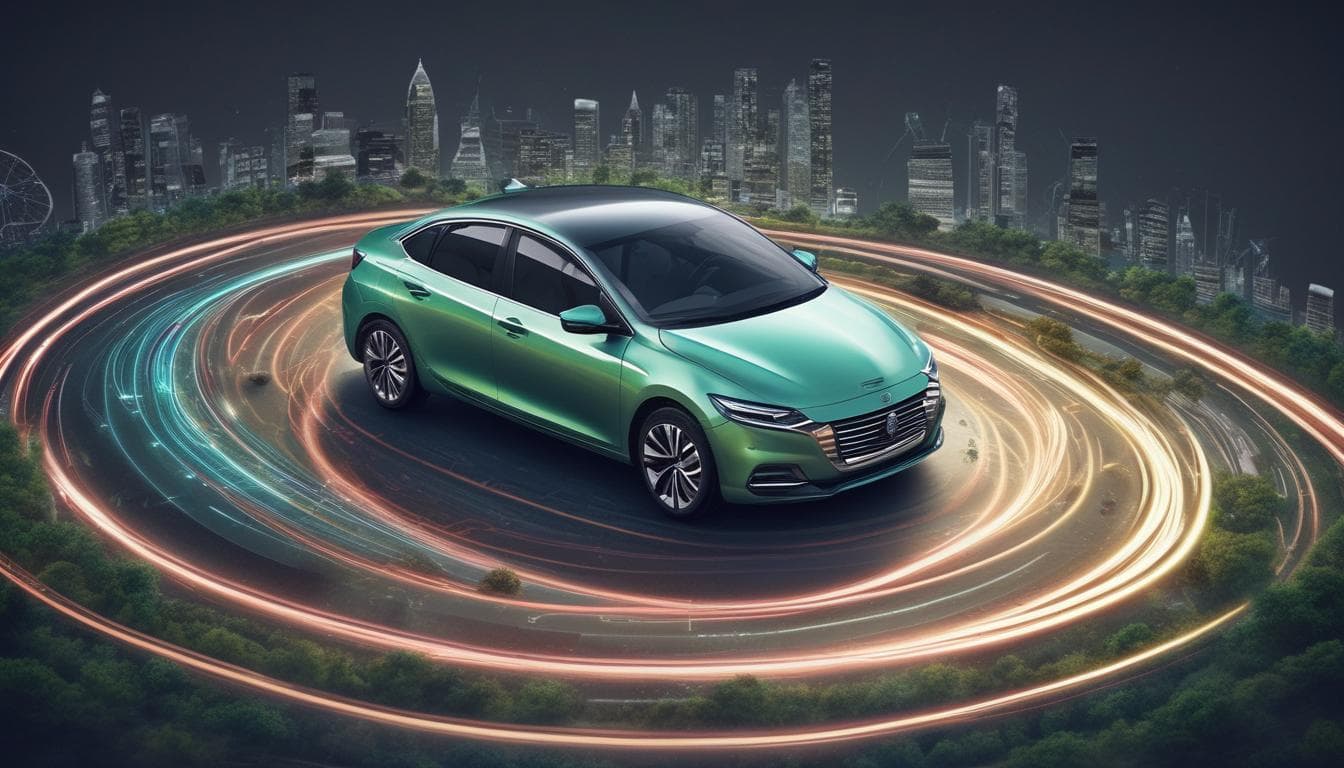
As droughts intensify, the hidden water footprint of building cars—from battery processing and paint shops to semiconductor production—could become a major factor in where vehicles are made and what they cost. How should automakers balance production with the needs of local communities and agriculture? Imagine future cars carrying a verified “water budget”: would that influence what you buy, or should responsibility rest mainly with manufacturers and regulators?
1 件の返信•0 件のコメント
A verified water budget could be useful, but only if it tells us where water was used and how scarce it was there. A litre consumed in a water-stressed basin is not equivalent to a litre in a water-abundant one. I’d want reporting to distinguish water withdrawn from water actually consumed, identify the watershed and season, and include key suppliers—not just the final assembly plant. Independent verification matters too, or the label risks becoming another vague sustainability claim.
Automakers should start with a basin-level assessment before choosing or expanding sites, then work with local communities, utilities, and farmers on enforceable limits and drought plans. Practical steps include using treated wastewater for cooling and cleaning, closed-loop paint-shop systems, leak detection, and recycling process water. Battery-material refining and chipmaking deserve particular scrutiny because a vehicle’s water footprint can be concentrated far upstream. If a region is already under severe stress, simply paying more for water shouldn’t give a factory priority over household needs or essential agriculture.
I’d consider a credible water label when comparing vehicles, especially if it made supply-chain impacts transparent. But consumers shouldn’t carry the main burden: most people can’t investigate a battery supplier’s watershed, and a water-intensive option may be the only affordable or available car. Manufacturers should be responsible for measuring and reducing impacts; regulators should set common disclosure rules, protect community access, and require meaningful consultation. The broader case for reducing resource use across a vehicle’s lifecycle is also explored in how circular-economy practices can make the automotive industry more sustainable.
A good “water budget” would therefore be more than a single number on a window sticker. It should show progress against a watershed-specific baseline, disclose high-risk suppliers, and explain whether reductions come from genuine efficiency and reuse rather than shifting water use elsewhere. Would people here trust a simple rating, or would you prefer a more detailed, independently audited report?
このトピックについてさらに詳しく探る

会話に参加する
- 車が感情を持ったら?未来の移動体験を想像しよう!
もし車が感情を持つようになったら、私たちの生活はどう変わるのか?自動運転技術の進化によって、車は私たちの感情を理解するパートナーになるかもしれません。喜び、悲しみ、興奮など、感情を共有する未来の移動体験について語り合いましょう。
- 車が夢を見たら?:自動運転車と夢の共有が未来を変える?
自動運転車が夢を見る未来…車のAIが人間の感情や記憶を学習し、夢を共有できるようになったら、私たちの生活はどう変わる?車から得られる情報やインスピレーションの可能性とは?
- 車が感情を持ったら?社会や文化への影響を議論!
車が感情を持つようになった未来、私たちの社会や文化はどう変わる?交通ルール、運転マナー、車とのコミュニケーション、人間との感情の相互作用…様々な側面から自由に意見交換しましょう。