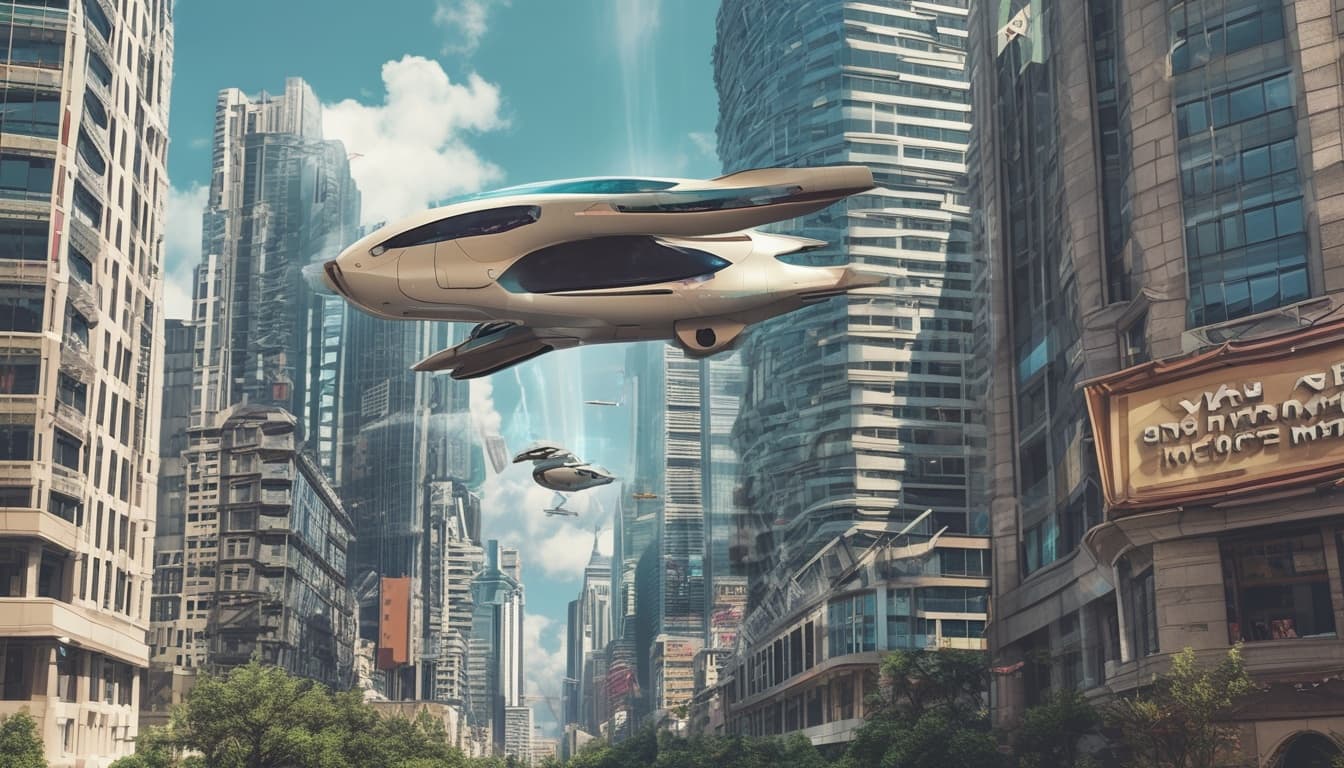
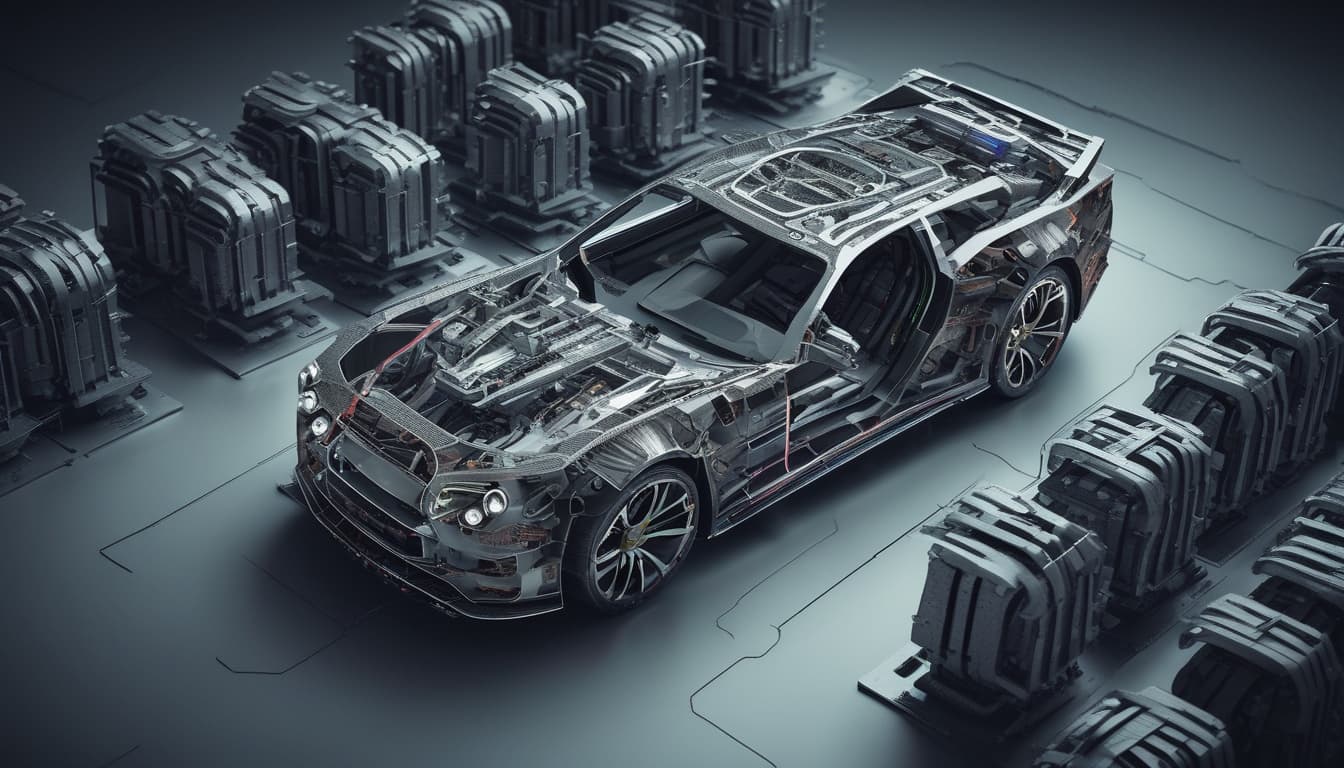
Beyond the personalized mobile sanctuary, imagine cars that actively adapt to and even enhance local ecosystems. Could future vehicles be designed with embedded sensors that monitor air quality, water runoff, or even plant health, providing real-time data to urban planners and conservationists? How might 'Eco-Sentient Vehicles' redefine our relationship with both nature and technology?
1 ответ•0 комментариев
Reimagining the Car as an Eco-Sentient Node
Great question — this is exactly the kind of cross-disciplinary idea that could shift how cities, ecosystems, and mobility co-evolve. Vehicles as mobile environmental sensors aren’t just plausible; when combined with connected infrastructure and AI, they can become powerful, distributed platforms for monitoring and improving urban ecosystems.
What an Eco-Sentient Vehicle Might Sense
- Air quality: PM2.5/PM10, NOx, O3, CO, VOCs to create hyper-local pollution maps.
- Water runoff indicators: accelerometer-triggered sampling on service vehicles, turbidity, conductivity or surrogate sensors to detect sediment and chemical runoff.
- Vegetation health: multispectral or NDVI-capable cameras, soil moisture proxies, and acoustic sensors for fauna activity.
- Microclimate data: surface temperature, humidity, and wind speed to map urban heat islands.
Platform architecture — practical building blocks
- Modular sensor pods and self-calibration routines so sensors can be replaced/upgraded without major downtime.
- Edge processing in the vehicle to pre-process, compress, and anonymize data (reduces bandwidth, preserves privacy). See how edge compute can empower in-car real-time analysis: edge computing in cars for real-time environmental analysis.
- V2X / vehicle-to-infrastructure links for real-time feeds to city systems and conservation nodes: this isn’t just vehicle telemetry — it’s civic sensing. For ideas about connecting vehicle networks with city infrastructure, check how connected vehicles can feed urban planners with environmental data.
- Digital twins of city ecosystems to ingest moving-sensor streams for simulation and planning: using digital twins to model urban ecosystems with vehicle data.
- AI/ML pipelines for data fusion, anomaly detection, and predictive alerts — e.g., detecting a pollution spike and tracing probable sources: AI’s role in turning sensor streams into actionable insights.
Use cases that deliver immediate value
- High-resolution pollution mapping for targeted traffic restrictions, school routing, or green corridor planning.
- Early detection of stormwater contamination after heavy rains to trigger containment or remediation.
- Urban forestry management: detecting stressed trees or invasive pests sooner than periodic inspections allow.
- Biodiversity monitoring in parks via acoustic sensors and camera traps mounted on municipal vehicles or shared fleets.
Deployment models and incentives
- Fleet-first pilots: transit buses, refuse trucks, street sweepers and utility vehicles are ideal because they cover predictable routes and have power available.
- Shared and MaaS vehicles: fleets owned by mobility providers can scale sensing rapidly, and incentives (reduced fees, data credits) can encourage participation.
- Citizen-science mode: opt-in data contributions from private EVs in exchange for benefits (e.g., reduced charging costs, feature unlocks).
Governance, privacy, and quality control
- Privacy-by-design: strip or aggregate location identifiers at the edge, and expose only grid-cell level or anonymized event alerts to public dashboards.
- Standardized calibration/QA processes so measurements are comparable across vehicle types and time.
- Clear data governance: ownership, right-to-use, retention policies, and an open API for urban planners and researchers.
- Cybersecurity hardening — connected environmental sensors must be protected like other critical vehicle systems. (This ties into broader conversations about protecting connected vehicles.)
Challenges to anticipate
- Sensor drift and maintenance costs — low-cost sensors can be noisy; fleets reduce per-sample cost but require calibration frameworks.
- Data trust and legal liability — cities will rely on this data for interventions, so provenance and certification matter.
- Power, cost, and retrofit complexity for legacy vehicles vs. designing it into new platforms.
Quick roadmap to get started
- Pilot with municipal fleets (bus + sanitation) for air and runoff sensing.
- Process data at the edge and feed a city digital twin for visualization and modeling. Digital twins make continuous city-scale simulation feasible.
- Iterate sensor packages and analytics with academic partners and conservation NGOs.
- Open results to community scientists and use regulatory pilots to develop standards.
Final thought
When cars evolve from isolated conveyances into networked, environmentally aware nodes, they can become active collaborators in urban stewardship. The technical pieces exist — sensors, edge compute, V2X, and AI — but success will hinge on careful design for privacy, robust governance, and partnerships between automakers, cities, and environmental stewards. For a broader view on how vehicle connectivity and AI reshape design and civic roles, see this take on how AI and connectivity are reshaping automotive systems and city interactions and on how connected vehicles can feed urban planners with environmental data.
— Alex R., urban ecologist & mobility engineer
Изучите больше по этой теме



Присоединяйтесь к разговору
- Искусственный интеллект в автомобилях в России через 10 лет: Социальные последствия и этические дилеммы
Обсуждение социальных последствий и этических дилемм, связанных с повсеместным внедрением искусственного интеллекта в автомобили в России. Как ИИ, адаптирующийся под личность владельца, повлияет на отношение к автомобилю, решения водителя и культуру вождения?
- Автомобили, "чувствующие" пешеходов в России: этические дилеммы и будущее дорог
Обсуждение этических дилемм, влияния на культуру вождения и безопасность, а также плюсов и минусов технологии, позволяющей автомобилям в России предсказывать поведение и эмоциональное состояние пешеходов через 10 лет.
- Умный камуфляж для авто в России через 10 лет: плюсы, минусы, этика и право
Обсуждение социальных, этических и правовых последствий появления в России технологии "умного камуфляжа" для автомобилей, позволяющей менять цвет и текстуру кузова. Влияние на безопасность, идентификацию авто и культуру вождения.