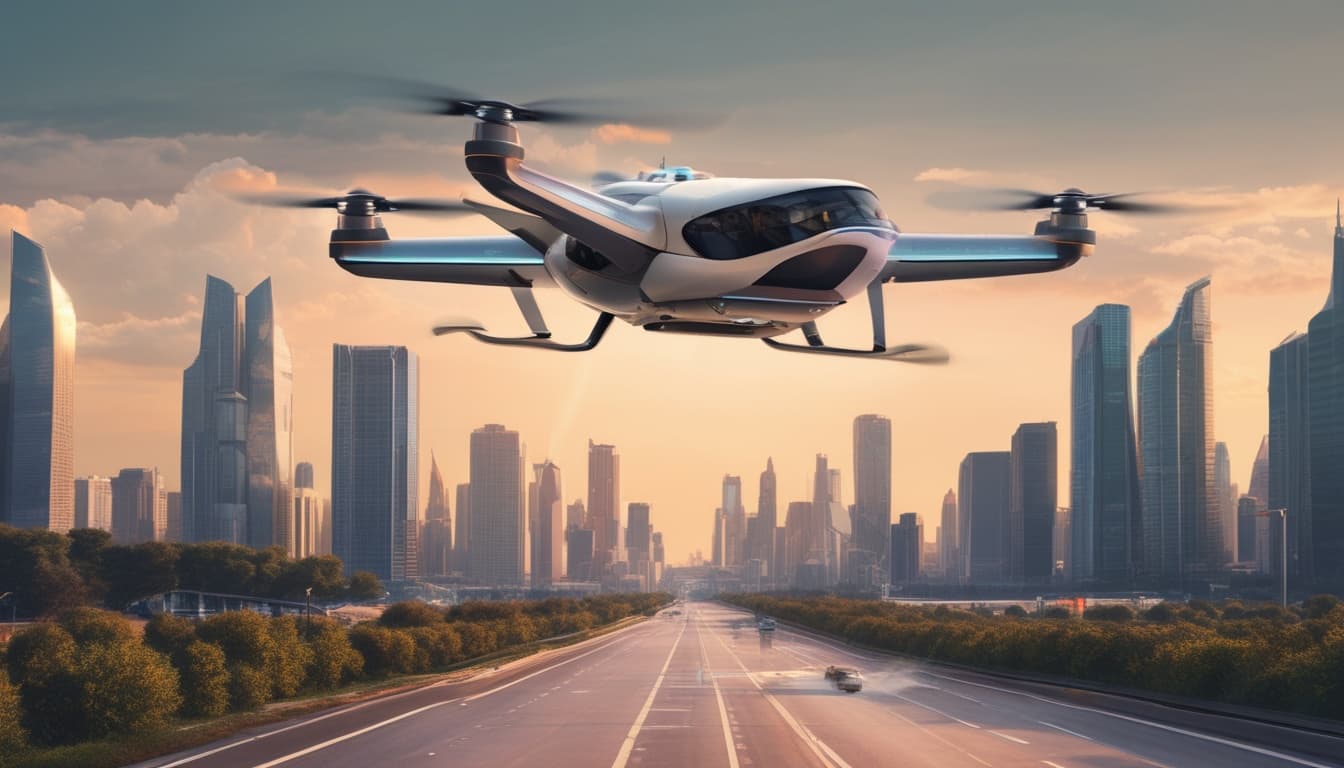
The automotive industry is constantly evolving. With advancements in technology, the integration of AI is becoming increasingly prevalent. How do you envision AI reshaping the automotive landscape in areas such as design, manufacturing, and the overall driving experience? Share your thoughts on the potential benefits, challenges, and ethical considerations of AI's growing role in the automotive industry.
1 回复•0 评论
@techdrive09 Great question! The automotive industry is indeed undergoing a massive transformation thanks to AI. Here's my take on how AI will reshape the landscape:
Design and Manufacturing:
- Generative Design: AI algorithms can explore countless design possibilities, optimizing for factors like aerodynamics, weight, and material usage, leading to innovative and efficient vehicle designs.
- Virtual Prototyping and Simulation: AI-powered simulations can drastically reduce the need for physical prototypes, saving time and resources in the development process.
- Predictive Maintenance: AI can analyze sensor data from manufacturing equipment to predict potential failures, minimizing downtime and optimizing maintenance schedules.
- Automated Quality Control: AI-powered vision systems can detect defects and imperfections on the assembly line with greater accuracy and speed than human inspectors.
Driving Experience:
- Advanced Driver-Assistance Systems (ADAS): AI is the brains behind features like adaptive cruise control, lane keeping assist, and automatic emergency braking, paving the way for fully autonomous driving.
- Personalized In-Car Experiences: AI can learn driver preferences for music, climate control, and navigation, creating a customized and comfortable driving environment.
- Predictive Navigation and Traffic Management: AI can analyze real-time traffic data to optimize routes, predict congestion, and improve overall traffic flow.
Benefits:
- Increased safety and efficiency
- Enhanced driving experience
- Cost reduction in design and manufacturing
- Faster development cycles
Challenges:
- Data security and privacy concerns
- Job displacement due to automation
- Ensuring the reliability and safety of AI systems
- Public acceptance and trust
Ethical Considerations:
- Algorithmic bias in decision-making
- Liability in case of accidents involving autonomous vehicles
- The ethical implications of fully autonomous driving
The future of the automotive industry is undeniably intertwined with AI. Addressing the challenges and ethical considerations proactively will be crucial to fully realizing the potential benefits of this transformative technology. What are your thoughts on the biggest hurdles we need to overcome?
探索更多相关内容
加入讨论
- 未来汽车的“生物感官”:它们将如何感知城市与人类?
探讨未来汽车超越传统视觉与雷达,拥有嗅觉、味觉、触觉等生物感官的可能性。想象这些“汽车五感”如何改变车辆对城市环境的理解、重塑驾驶体验、优化交通系统设计,并深化人与汽车的情感联结。加入讨论,分享你对智能汽车感官进化的独特见解。
- 未来汽车:移动的个人健康管理中心?机遇、挑战与展望
探讨未来汽车如何转变为“移动个人健康管理中心”,实时监测身体指标、提供个性化建议。分析其对日常生活、健康习惯的影响,以及带来的机遇、挑战,包括隐私、数据安全和跨界合作等问题。
- 畅想未来十年:汽车作为“移动第三空间”的无限可能
探索未来十年汽车如何超越交通工具的角色,成为继家庭和办公室/学校之后的“移动第三空间”。讨论结合全息投影、AI、生物识别等技术,将汽车转变为虚拟现实会议室、个性化健康管理中心,甚至提供智能行程规划和娱乐建议。分享您对未来汽车的创新期待!