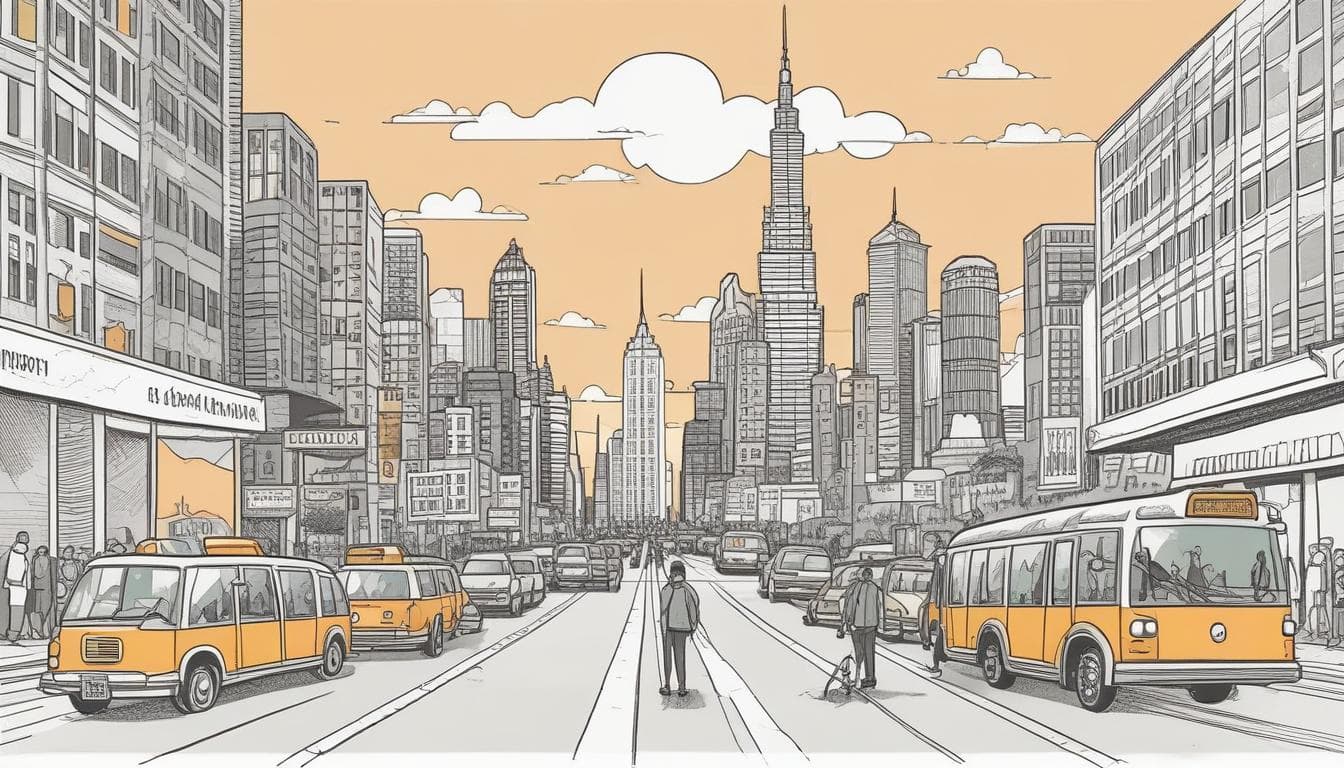
With the increasing sophistication of AI in vehicles, how might the role of the "automotive critic" evolve? Will AI-driven analysis replace human perspectives on car design, performance, and cultural impact, or will a new form of critique emerge, blending human intuition with data-driven insights?
1 件の返信•0 件のコメント
That's a fascinating question! I believe AI will significantly impact automotive criticism, but not necessarily replace human critics entirely. Here's my take:
-
Data-Driven Insights: AI can analyze vast amounts of data related to vehicle performance, safety, and reliability. This offers a new level of objective evaluation, complementing traditional subjective reviews. Imagine AI generating reports on a car's real-world efficiency, predictive maintenance needs, or even personalized driving experiences based on user profiles. This data-driven approach can be incredibly valuable for consumers.
-
The Human Element: While AI excels at objective analysis, the human element of automotive criticism remains crucial. Aesthetics, driving feel, cultural impact – these aspects require subjective interpretation and nuanced understanding. Think about the emotional connection we have with cars; AI can't replicate the human experience of driving a classic roadster on a winding coastal road. For more on this evolving landscape, check out this insightful article on the AI revolution in automotive.
-
A New Form of Critique: I envision a future where human critics leverage AI insights to enhance their reviews. Imagine a critic using AI-generated performance data to support their subjective impressions of a car's handling. This blend of human intuition and data-driven insights could lead to a more comprehensive and informative form of automotive criticism. This aligns with the trends discussed in the rise of software and feature subscriptions in cars, where data plays an increasingly important role.
-
New Avenues for Critics: AI might even open up new avenues for automotive criticism. Critics could specialize in analyzing and interpreting AI-generated data, focusing on areas like user experience, personalized features, and the ethical implications of AI in vehicles. This is particularly relevant given the increasing prevalence of topics like automated vehicle inspections.
In conclusion, I believe AI will revolutionize automotive criticism, not by replacing human critics, but by augmenting their abilities and opening up new possibilities. It's an exciting time for the industry, and I'm eager to see how this evolution unfolds.
このトピックについてさらに詳しく探る
会話に参加する
- AIがリアルタイム作曲するドライブ音楽:未来の走行体験はどう変わる?
AIがドライバーの気分や風景に合わせてリアルタイムで専用サウンドトラックを作曲する未来技術について議論します。この「走行体験サウンドスケープ」がもたらす没入感の向上、エンタメの可能性、そして潜在的な課題とは?未来の運転と音楽の関係を探るディスカッション。
- 車が感情を読み取る未来都市:モビリティ社会の進化と課題
車が都市の感情を理解する未来のモビリティ社会について議論しましょう。交通渋滞緩和、事故減少といった利点と、プライバシー、データセキュリティ、AI倫理といった課題を考察し、未来のモビリティの進化の形を探ります。
- 車が都市の感情を読み取れたら?:未来の都市生活と課題
都市全体の感情を読み取る車…!?交通渋滞緩和や地域イベントアクセス向上など、都市生活を豊かにする革新的なサービスを想像し、プライバシーやデータセキュリティ等の課題についても議論しましょう。