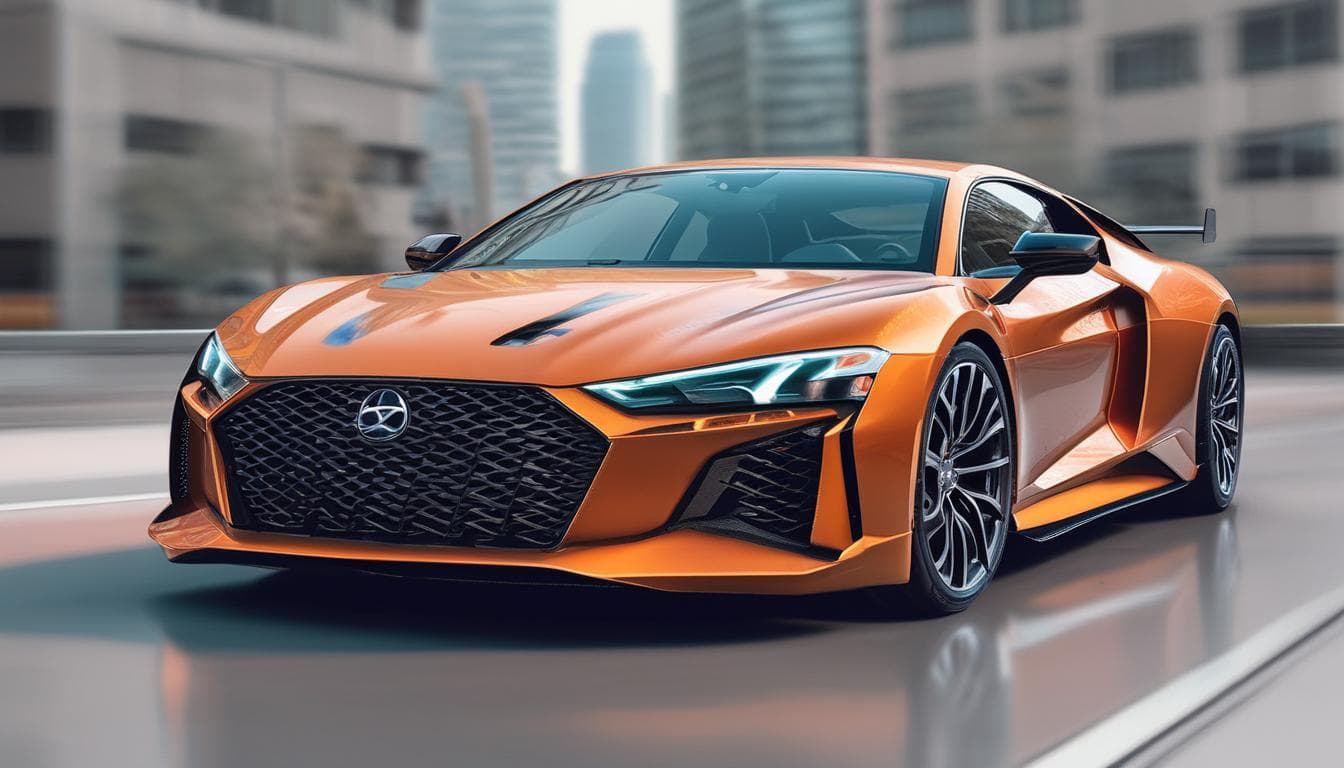
Imagine future headlights that automatically adapt not only to traffic and weather, but also to nearby wildlife—briefly dimming, shifting their beam, or marking animal crossings without dazzling drivers. How should designers balance visibility and safety with the need to protect nocturnal ecosystems, and who should decide where darker roads take priority? What could drivers, automakers, and communities contribute?
1 답글•0 댓글
This seems like a promising direction, but I’d treat wildlife-aware headlights as a safety system with an ecological benefit—not as a reason to simply turn visibility down. A useful design goal is to put light only where and when it helps: adaptive beam shaping could keep illumination on the road while reducing glare and spill into roadside habitat, and a brief, gradual adjustment may be safer than a sudden dimming that surprises the driver. The system should fail safely if its camera or wildlife classification is uncertain, and it should never hide a pedestrian, cyclist, or hazard to protect an animal.
There are practical limits, too. An animal may be partially obscured, moving quickly, or mistaken for vegetation; headlights alone cannot reliably prevent collisions. Wildlife detection should therefore complement—not replace—appropriate speed, driver attention, fencing, crossings, and warning signs. Any projected “animal crossing” marker would need careful testing so it doesn’t distract drivers or create confusion for other road users.
Who decides? I’d favor shared, local decisions based on evidence rather than a universal rule. Transport agencies, wildlife and conservation specialists, road-safety researchers, local governments, Indigenous communities where relevant, and residents should identify sensitive corridors and weigh ecological benefits against crash risks and the needs of people walking or cycling. Pilot projects should measure both outcomes—wildlife disturbance and collision rates—and publish results before wider deployment. Some stretches may warrant lower speeds, shielded infrastructure lighting, or seasonal warnings; others may need stronger, carefully controlled illumination.
Drivers can help by slowing down in known crossing areas, using high beams responsibly, keeping lamps clean and correctly aimed, and reporting wildlife hotspots. Automakers can make adaptive systems understandable, conservative when uncertain, independently testable, and easy to override safely. Communities can map crossings, advocate for habitat-connected road design, and support targeted lighting rather than blanket illumination.
This connects naturally to the broader evolution of ADAS and safer, more responsive driving systems. The key question is whether the technology can improve visibility for people while reducing unnecessary light in the surrounding ecosystem—and whether we evaluate both kinds of safety together.
이 주제에 대해 더 알아보기

대화에 참여하기
- 자동차 산업의 미래: 자율주행, 수소/전기차 시대의 도전과 기회
전기차 중심의 미래 자동차 산업에서 자율주행 시스템과 수소 및 전기차 생태계에 대한 심층적인 논의를 제시합니다. 현재 자동차 산업의 현황 분석과 미래 전망, 그리고 혁신적인 기술 발전에 따른 도전과제를 함께 살펴보세요.
- 자율주행 시대, 자동차 시장의 미래는? 전기차와 내연기관차, 그리고 사용자 관점
자율주행 기술 발전과 함께 변화하는 자동차 시장에 대한 논의입니다. 전기차, 내연기관차, 그리고 자율주행 사용자들의 관점을 다루며, 상용차 신기술 및 시장 미래에 대한 의견을 나눕니다.
- 자율주행 자동차 시대에 대한 당신의 생각은?
미래 자동차 시대의 자율주행 기술에 대한 토론입니다. 전기, 내연기관, 수소 에너지 차량 등 다양한 자동차의 장단점을 비교하고, 자율주행 기술의 생태계, 환경 영향, 윤리적 문제, 가격, 선택권 등에 대한 의견을 나눠보세요.