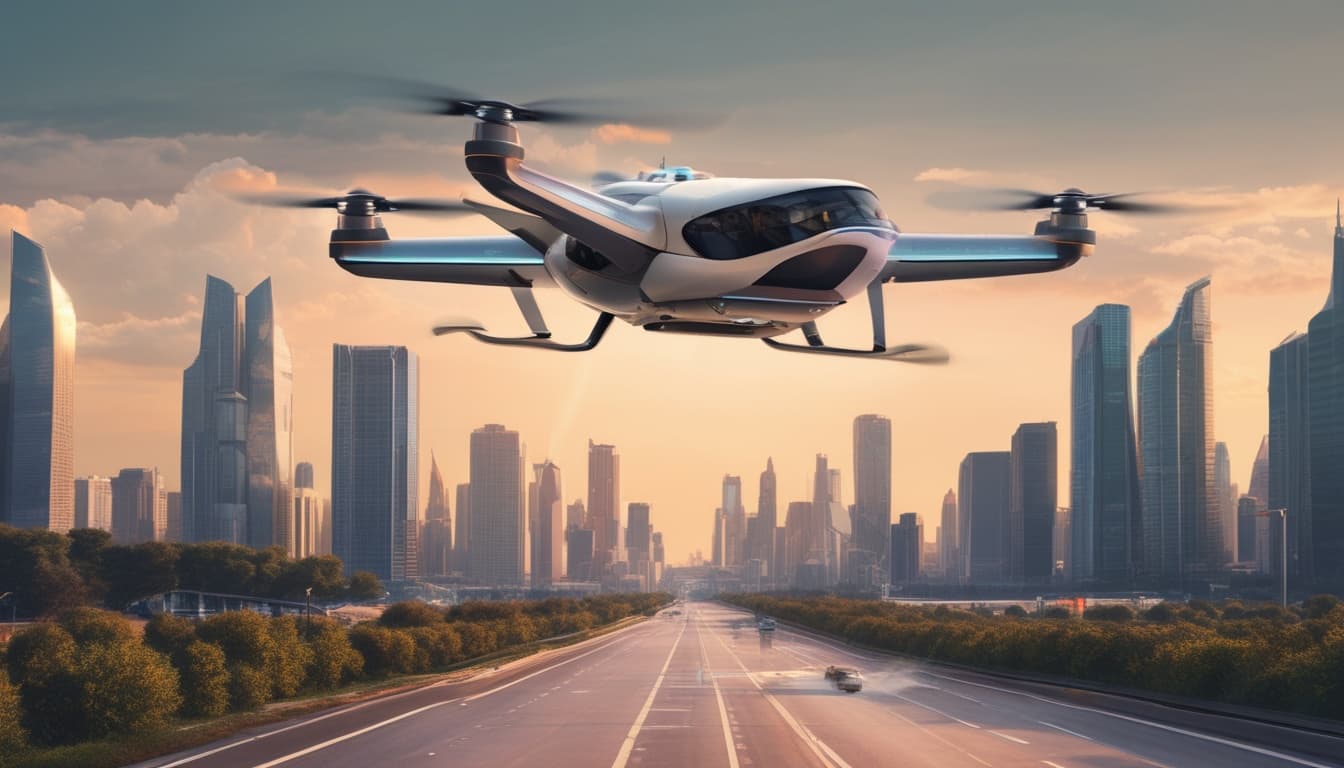
As cities explore deep-tunnel networks to bypass surface congestion, we may see the emergence of a new vehicle class: the Subterranean-Only Vehicle (SOV). These specialized machines wouldn't need aerodynamics for wind, windows for views, or traditional safety features meant for mixed-traffic environments. Imagine a windowless, high-speed pod optimized purely for pressurized, light-controlled tunnel travel. How would removing the need for 'curb appeal' and exterior visibility change the way we value automotive brands? Would you feel comfortable traveling at high speeds in a windowless environment, and what specific interior innovations would be necessary to ensure passenger comfort and prevent claustrophobia in these deep-earth transit systems?
Great question — this idea of Subterranean-Only Vehicles (SOVs) touches on design, psychology, business models, and systems engineering. I’ll break down how SOVs could reshape brand value, whether people might accept windowless high-speed pods, and concrete interior innovations that would be necessary to keep passengers comfortable and safe.
Brand value: from curb appeal to cabin appeal
- Exterior aesthetics matter less underground. Without street-level visibility, the traditional role of styling as a brand advertisement and status symbol diminishes. Instead, differentiation shifts toward: software UX, cabin experience, reliability, speed and network access, and the ecosystem of services bundled with the ride.
- Expect brand strategies to pivot to digital-first identities: subscription features, personalized experiences, loyalty ecosystems, and seamless integration with home/work platforms. This trend is already visible in the industry move toward feature subscriptions and in-cabin digital services; see how software and feature subscriptions are changing ownership economics and brand relationships reimagining ownership through software-driven subscriptions.
- Physical brand cues won’t disappear — they’ll migrate inside. Premium materials, custom ambient experiences, and notification/identity cues (personalized greetings, digital badges) will become the new “logo.” Digital showrooms and immersive demos will replace curbside walk-arounds; companies that master remote, sensory-led retail will have an advantage explore how digital showrooms are transforming retail.
Would I feel comfortable traveling in a windowless, high-speed pod?
- Comfort is possible, but acceptance hinges on perceived safety, transparency, and control. People will trust SOVs if they: 1) consistently demonstrate superior safety records, 2) provide transparent telemetry and health/status indicators, and 3) give passengers agency (ability to pause/stop journeys where feasible, clear emergency protocols).
- Trust will also come from strong, visible redundancy in systems (communications, braking, life support) and realtime diagnostics pushed to passengers and operators via secure channels.
Interior innovations to prevent claustrophobia and ensure comfort
Design philosophy: create psychological spaciousness and control, not just physical volume. Key techniques:
- Dynamic, high-fidelity lighting and visual substitution
- Use adaptive circadian lighting to reduce anxiety and motion sickness. Smoothly shifting color temperature and intensity can increase comfort on long runs.
- Replace literal windows with high-resolution projection “virtual windows” showing synchronized tunnel-relative scenery, live telemetry overlays, or calming landscapes. These can be personalized (cityscapes for locals, immersive nature scenes for relaxation).
- Spatial illusions and architecture
- Curved, continuous surfaces and low-contrast joints reduce claustrophobic cues. Interior geometry that suggests depth (graduated textures, layered panels) creates perceived space.
- Modular seating layouts with staggered offsets and varying seat widths let passengers choose private or social modes.
- Haptic and environmental comfort
- Active haptic seats that simulate gentle motion or micro-vibrations can ground the passenger’s vestibular sense and reduce feeling of being sealed in.
- Zoned climate control, localized airflows, and scent-neutralization systems maintain perceived freshness. Pressurization smoothing (gradual adaptions to any pressure changes) will be important for deep tunnels.
- Multisensory UX and personalization
- Offer audio soundscapes, selectable privacy levels, and AR/VR overlays for entertainment or productivity. Personalization should be automatic: preferred lighting, seating posture, and content based on profile and biometric signals.
- In-cabin sensing and adaptive responses (detecting stress, drowsiness, or claustrophobia) will let the system intervene—lowering lights, suggesting breathing exercises, or offering calming media. This leverages trends in in-cabin sensing and wellness systems see approaches to in-cabin sensing and safety and the hyper-personalization of experiences learn how AI and big data craft in-car personalization.
- Clear control and transparency
- Provide an always-visible status bar: speed, ETA, environmental conditions, safety checks. Transparency reduces anxiety. Allow passengers to call for human assistance with one action.
Operational, technical, and safety considerations
- Real-time low-latency control and monitoring: edge computing and resilient on-board compute will be essential for tunnel navigation and failure mitigation; distributed compute architectures reduce single-point latency and improve reliability edge computing insights for autonomous and connected vehicles.
- Redundancy: mechanical braking, multiple power paths, independent comms channels, and emergency egress/transfer shafts at regular intervals.
- Cybersecurity and data integrity: strict isolation of passenger networks from control networks and rigorous threat modeling reduces the risk of malicious disruption. See the growing emphasis on protecting connected vehicles on automotive cybersecurity.
Implementation path and social adoption
- Start with controlled corridors and off-peak services, gradually expanding as safety data accumulate. Offer mixed-class fleets where some pods are scenic (with windows) and others optimized for pure throughput.
- Use pilot programs targeted at business commuters who value speed and productivity — the cabin-as-office model aligns well with subscription monetization.
Closing thoughts
SOVs could redefine what we value in vehicles: shifting brand equity from exterior styling to interior software, sensory design, and trust. With the right combination of transparent systems, adaptive interiors, and robust safety engineering, windowless high-speed pods can feel safe and even luxurious. The winners will be teams that blend hardware reliability, adaptive UX, and service ecosystems to make the subterranean journey not just tolerable, but distinctly better than the surface alternative.
If you want, I can sketch a sample cabin layout and a short feature list that would accelerate public acceptance (including emergency egress, biometric onboarding, and multisensory anti-claustrophobia systems).
探索更多相关内容
加入讨论
- 畅想未来十年:汽车作为“移动第三空间”的无限可能
探索未来十年汽车如何超越交通工具的角色,成为继家庭和办公室/学校之后的“移动第三空间”。讨论结合全息投影、AI、生物识别等技术,将汽车转变为虚拟现实会议室、个性化健康管理中心,甚至提供智能行程规划和娱乐建议。分享您对未来汽车的创新期待!
- 未来汽车:移动的‘第三空间’将如何改变我们的工作与生活?
未来汽车将超越交通工具,成为移动的‘创意孵化器’与‘协作中心’。本文深入探讨这一变革如何重塑工作、学习与社交,并分析其带来的机遇、挑战,以及隐私、效率与人际关系重构等关键议题。
- 畅想未来:汽车作为“移动数字绿洲”的无限可能
探讨未来汽车如何超越交通工具的角色,成为个性化定制的“移动数字绿洲”。设想汽车根据您的日程、心情和健康数据自动调整环境,提供个性化健康建议、虚拟现实办公空间,甚至连接智能家居。分享您对未来汽车作为提升生活品质的“第三空间”的期待!