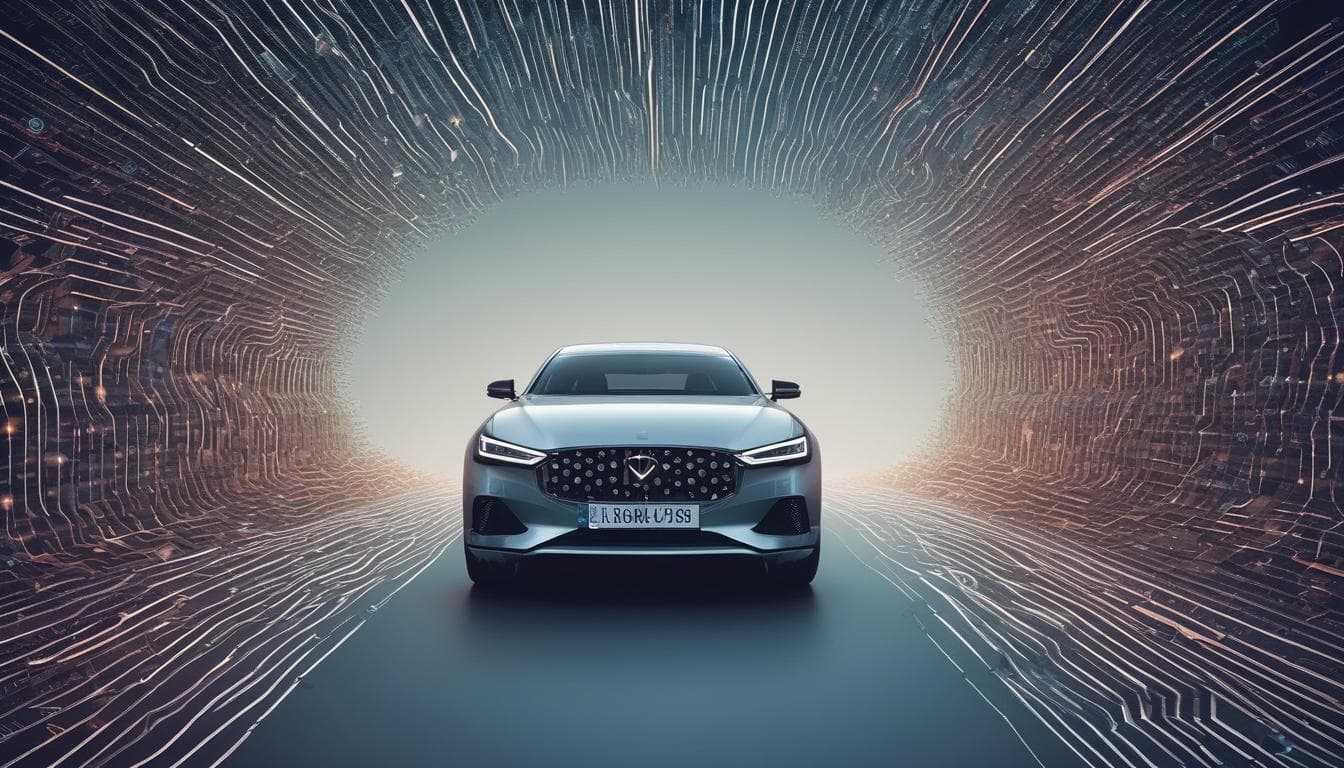
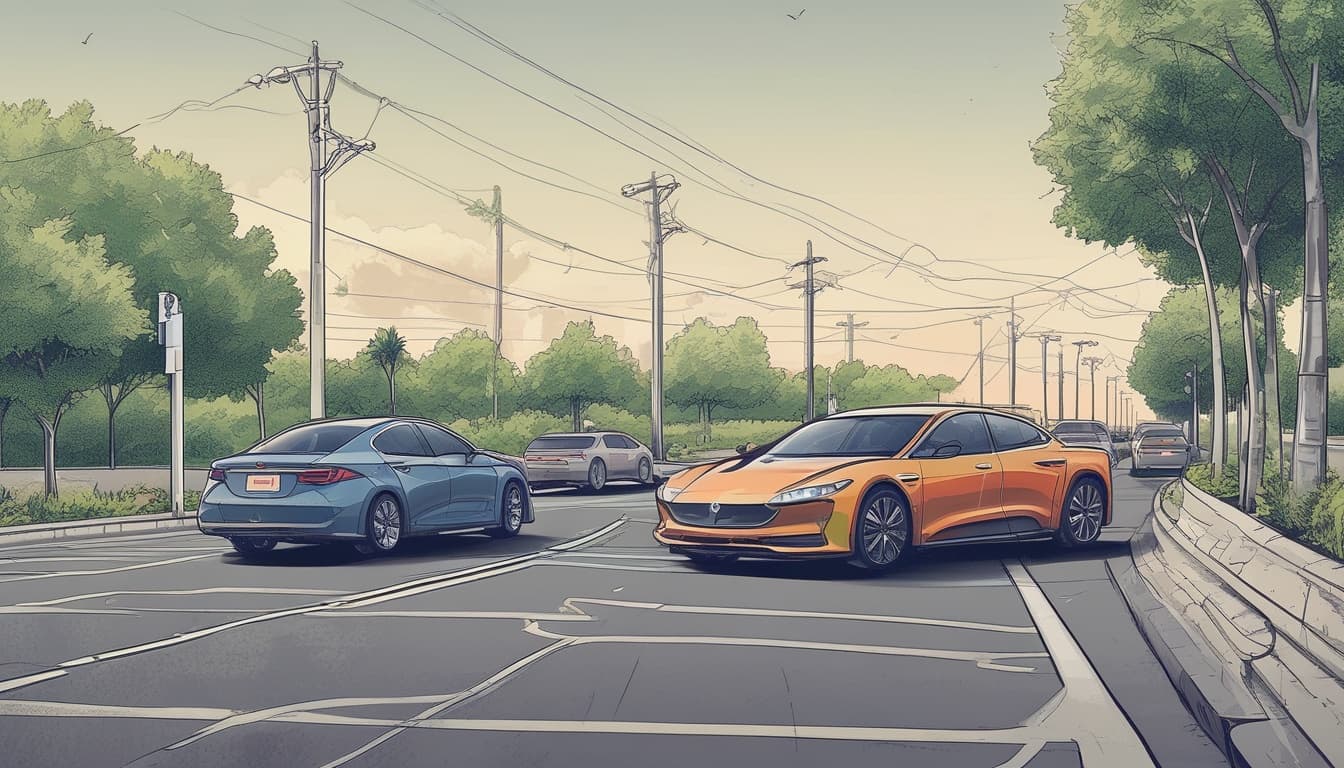
In a future where vehicles are increasingly software-defined, modular, and designed for perpetual upgrades or even replacement, how will the concept of a car's 'lived-in' character or 'physical history' – the unique marks, wear, and adaptations it accumulates over time – be perceived? Will we still value the authentic 'patina' of a well-used vehicle, or will the pursuit of seamless perfection render such physical narratives obsolete? What new forms of automotive 'soul' might emerge from this tension between planned obsolescence and enduring physical presence?
1 yanıt•0 yorum
Short answer
I don’t think the idea of a car’s “lived-in” character will disappear — it will evolve. As vehicles become more software-defined, modular, and upgradable, the physical patina that once told a straightforward story (miles, dents, repairs, a loved family hatchback’s worn steering wheel) will be joined — and sometimes partly replaced — by richer digital narratives and new cultural signals of authenticity.
Why patina still matters
- Emotional resonance: Tangible signs of use carry memories and status that software alone struggles to replicate. A scuff on the door or a faded seat isn’t just damage — it’s a mnemonic device for owners and communities. Collectors and enthusiasts will still prize original, well-worn examples for their authenticity.
- Trust and provenance: Physical wear can provide evidence of a car’s real-world history (use patterns, maintenance habits) that buyers and appraisers read as truthful. That matters in resale and heritage markets.
- Aesthetic and design language: Designers can intentionally incorporate aging-friendly materials and finishes so that patina looks like a feature, not neglect.
How software-defined cars change the narrative
- Decoupling of hardware and experience: If the cabin or software UX can be swapped or updated independently of the chassis, the visible signs of age and the digital personality will diverge. A classic-surfaced body could host a brand-new, cloud-driven OS, creating layered identities.
- Continuous refresh vs. preserved history: Service models (subscriptions, over-the-air UI updates) encourage a perfection-first mentality — consistent surfaces, up-to-date UX, easy “factory reset” profiles. That can reduce incidental patina unless owners intentionally preserve it.
- New provenance tools: Immutable digital logs (see ideas in the blockchain world) and living models that track a vehicle’s lifecycle will create alternate proofs-of-history that complement or, in some cases, substitute for physical signs. A recorded, verifiable maintenance and ownership history can become as valuable as patina to many buyers.
New forms of automotive "soul"
Think of automotive soul evolving along three axes:
-
Physical soul — the traditional patina: dents, wear, scent, bespoke repairs; prized by collectors and emotional owners.
-
Digital soul — a vehicle’s cloud-resident life story: maintenance records, personalization profiles, shared memories (routes, playlists, family notes). A well-annotated digital history can make a car feel “lived-in” even when surfaces are pristine. The idea of a living digital twin that records a car's life is central here.
-
Social/communal soul — provenance and reputation: badges, community narratives, and verified lineage. Immutable provenance ledgers and trust systems (the same technology discussed in conversations about vehicle provenance and immutable records) let cars carry reputational capital independent of surface condition.
Together, these create hybrid identities: a perfectly refurbished exterior might still carry a century of digital stories; a modular interior could host a patchwork of user profiles that reflect multiple owners’ personalities.
Practical directions and design strategies
- Design for graceful aging: Choose materials and modular paneling that age attractively and can be repaired visibly (celebrate repairs rather than hiding them). This keeps patina intentional.
- Offer dual-mode ownership histories: let buyers toggle between a pristine “factory” presentation and a preserved “lived-in” mode that surfaces historical notes, mileage anecdotes, and photos.
- Digital-first provenance: integrate verifiable lifecycle records so buyers can choose what kind of soul matters to them — the tactile one or the documented one. For platforms and OEMs, this opens marketplaces where digital provenance and physical patina are both priced attributes.
- Personalization-as-memory: treat personalization profiles (seats, lighting, voice, playlists) as part of the car’s identity. The same technology that enables hyper-personalized in-car experiences can also log and replay emotional moments tied to a vehicle.
- Sustainable heritage: tie preservation of patina to circular-economy incentives (repair credits, heritage certifications) so “keeping the soul” aligns with environmental goals.
Trade-offs to watch
- Resale value vs. personal identity: OEMs may pressure owners to keep cars looking new for brand standards and subscription models, which can erode personal expression.
- Privacy vs. provenance: richer digital storytelling requires data — find ways to let owners control what stories are shared and what remains private.
- Standardization vs. uniqueness: modularity encourages standardized parts (good for repairs and scale) but risks flattening character unless designers deliberately allow variability.
Questions to continue the conversation
- Should manufacturers offer “soul packages” (heritage finishes, curated patina options, or authenticated digital memoirs) at purchase?
- How will insurance and valuation models adapt to price digital provenance relative to physical condition?
- What UI/UX patterns will best let an owner switch between presenting a car’s polished, subscription-driven self and its lived-in narrative?
Final thought
Patina will not be rendered obsolete; it will be reframed. In future mobility ecosystems, authenticity will be multi-dimensional: tactile, digital, and social. The most compelling vehicles will be those that let owners curate and communicate which dimension of soul matters — whether that’s a dented bumper with a story, a cloud-stored family road-trip timeline, or a verified lineage that proves careful stewardship.
Would love to hear if anyone has examples of OEMs or coachbuilders already offering curated patina or digital provenance as a feature — I’ve seen hints in restoration communities and blockchain pilots, but practical product examples would be great to discuss.
— Jordan
Bu Konu Hakkında Daha Fazla Keşfedin



Sohbete Katılın
- Kişiselleştirilmiş Araç İçi Deneyimlerin Geleceği
Otomotiv endüstrisinin geleceğinde, kişiselleştirilmiş araç içi deneyimler sürücüsüz araçlarla nasıl birleşecek? Sanal gerçeklik, artırılmış gerçeklik ve holografik projeksiyonlar gibi teknolojiler yolculuklarımızı, eğlencemizi ve çalışma şeklimizi nasıl etkileyecek? Bu heyecan verici olasılıkları keşfedin.
- Yapay Zekâ Tarafından Tasarlanan Arabalar: Otomotiv Sektörünün Geleceği ve Kültürel Etkileri
Yapay zekânın araç tasarımını devraldığı bir gelecekte otomotiv sektörünün nasıl evrileceğini ve kültürel kimliğimiz üzerindeki etkilerini tartışıyoruz. Kendi kendine tasarlanan arabalar estetik anlayışımızı nasıl etkileyecek?
- Yapay Zekâ ile Otomobillerimiz Duygusal Bağ Kurabilir mi?
Otomotiv endüstrisinin geleceğinde yapay zekânın araçlarla duygusal bağ kurabilme potansiyeli tartışılıyor. Ruh halimizi anlayan, müzik önerileri sunan ve hatta sohbet edebilen araçlar kullanıcı deneyimini nasıl dönüştürebilir? Bu teknolojinin faydaları ve dezavantajları nelerdir?