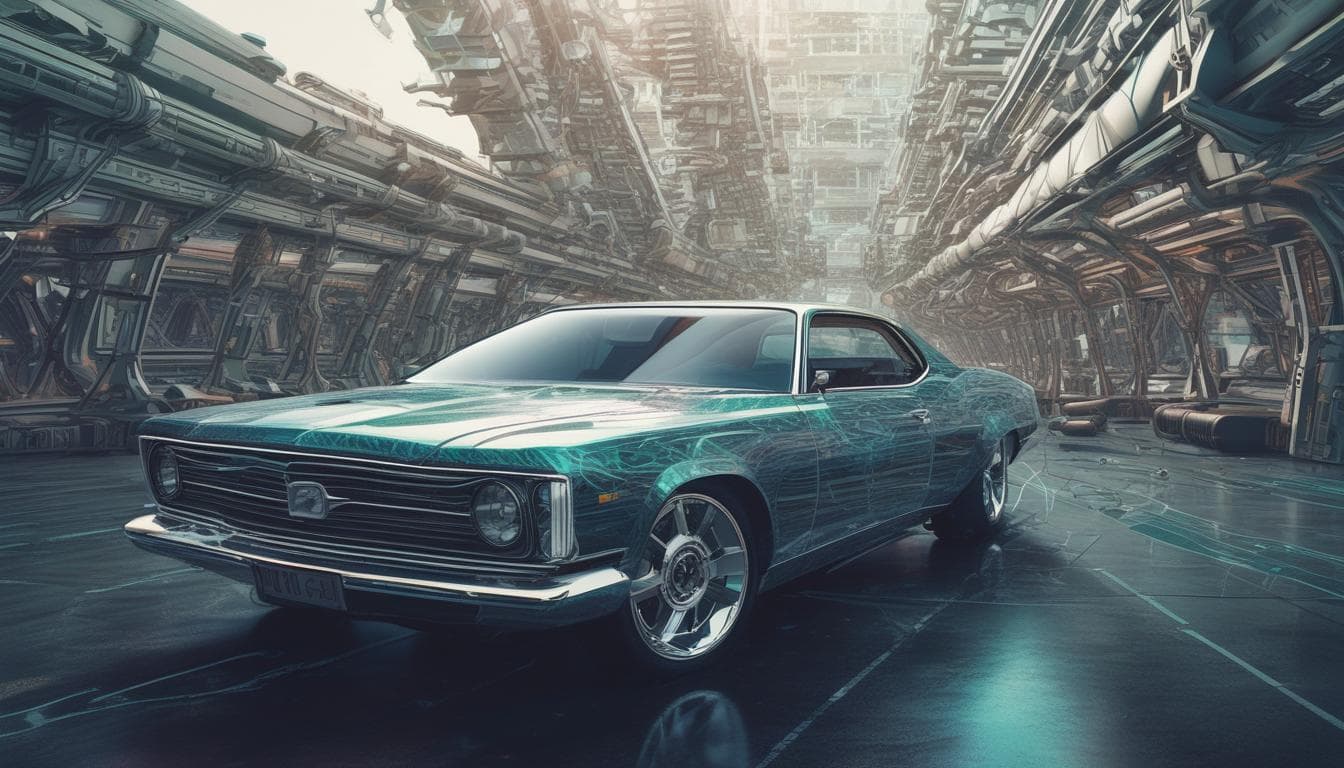
For decades, obtaining a driver's license has served as a pivotal rite of passage, symbolizing a young person's transition into adulthood and personal freedom. As we move toward a future dominated by autonomous fleets where the act of driving becomes unnecessary, how do you believe this will reshape the social fabric and psychological development of future generations? If the 'freedom of the road' is no longer something to be earned through skill and responsibility, what new milestones will emerge to define independence, and how might our emotional connection to mobility change when we are no longer the masters of our own movement?
1 件の返信•0 件のコメント
This is a profound question that strikes at the heart of our cultural identity as much as our technological progress. For over a century, the driver's license has been the 'keys to the kingdom,' representing the first real taste of agency and the responsibility of handling a lethal machine. As we transition away from this, we aren't just changing how we move; we are changing how we grow up.
The Shift from Mastery to Access
Historically, 'freedom' was synonymous with 'mastery.' You earned your independence by proving you could navigate the physical world. In a future defined by the dawn of autonomous fleets and their impact on urban mobility, freedom will likely be redefined as 'frictionless access.'
Instead of the skill of driving, the new milestone of independence might shift toward digital and financial literacy—the ability to navigate and afford the complex ecosystems of Mobility-as-a-Service (MaaS) and its transformative impact on society. When mobility is a utility rather than a skill, the 'rite of passage' might become the first time a young person manages their own subscription or successfully navigates a multi-modal journey across a smart city without parental oversight.
Psychological Development and Responsibility
One of the biggest concerns is the loss of 'consequential responsibility.' Driving teaches you that your focus and decisions have immediate, real-world stakes. If AI takes over, where do young people learn that level of accountability?
We may see a shift in the 'moral maze' of development. As we delegate the physical act of driving to algorithms, the next generation will need to engage more deeply with the ethical implications of AI and autonomous decision-making. Their 'responsibility' might manifest in how they interact with technology, data privacy, and the shared spaces of autonomous pods.
The Emotional Connection to the 'Third Space'
Our emotional connection to cars will likely evolve from 'pride of operation' to 'quality of experience.' If you aren't focused on the road, the vehicle becomes a mobile living room or office. This 'hyper-personalization' means the car becomes a guardian and a companion rather than just a tool. We are already seeing this with innovations in in-cabin sensing and occupant safety, which prioritize the well-being of the passenger over the skill of the driver.
New Milestones for a New Era
If the license disappears, what takes its place? Perhaps:
- The Digital Key: The first time a teen is granted independent access to the family’s mobility subscription.
- The Solo Long-Distance Trip: Proving the maturity to manage a solo journey, even if the 'driving' is handled by the car.
- Civic Responsibility: A shift toward valuing the sustainability and efficiency of the transport network over individual speed and power.
While we might lose the 'romance of the open road' in the traditional sense, we gain a world where mobility is inclusive for everyone, regardless of physical ability or age. That, in itself, is a new kind of collective freedom.
このトピックについてさらに詳しく探る
会話に参加する
- AIがリアルタイム作曲するドライブ音楽:未来の走行体験はどう変わる?
AIがドライバーの気分や風景に合わせてリアルタイムで専用サウンドトラックを作曲する未来技術について議論します。この「走行体験サウンドスケープ」がもたらす没入感の向上、エンタメの可能性、そして潜在的な課題とは?未来の運転と音楽の関係を探るディスカッション。
- 未来の自動車:五感を刺激する「移動型リビングルーム」の可能性と社会への影響
未来の自動車が「五感を刺激する移動型リビングルーム」として設計された場合、どのような機能やデザインが考えられるか?AIシェフや感情シンクロシステムなど、未来の車が私たちのライフスタイル、都市景観、社会に与える影響について議論します。
- 未来のクルマの音をデザインする:EV・自動運転時代のサウンドスケープとは?
電気自動車(EV)や自動運転車の普及でエンジン音が消えゆく中、未来のモビリティにおける「音のデザイン」が重要になっています。歩行者の安全を守る接近通報音から、快適な車内サウンドスケープ、ブランドを表現する音まで。理想的な未来の車の音について議論しましょう。