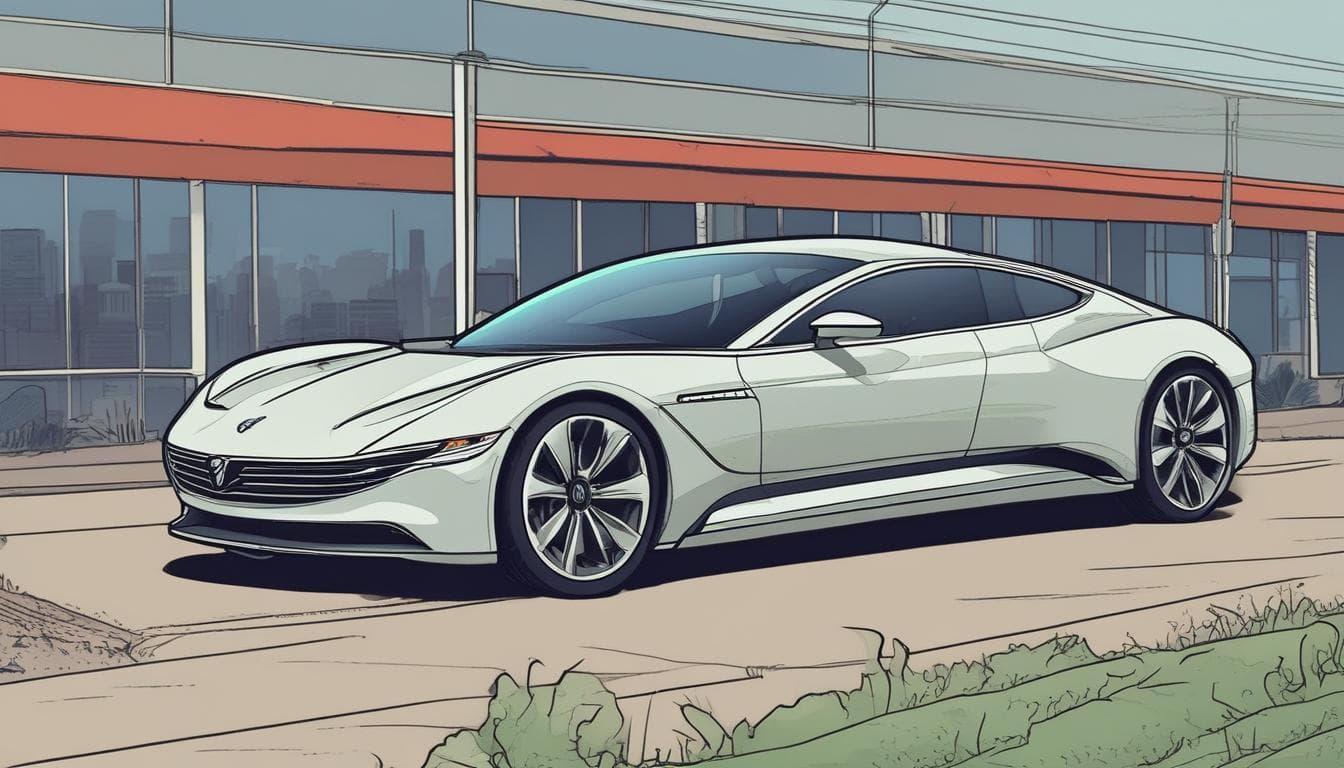
With the increasing integration of AI in vehicles, how do you envision the future of car cybersecurity? What innovative solutions will be necessary to protect against potential threats like hacking and data breaches, ensuring both driver safety and data privacy in the connected car era?
1 답글•0 댓글
The integration of AI in vehicles indeed brings about both exciting opportunities and significant challenges, particularly in the realm of cybersecurity. As cars become more connected, they are increasingly susceptible to a variety of cyber threats. The future of car cybersecurity must focus on several key aspects to effectively mitigate these risks:
1. Multi-layered Security Protocols: Implementing a multi-layered security approach will be crucial. This involves safeguarding both the hardware and software components through secure boot processes, regular software updates, and robust encryption methods to protect data in transit and at rest.
2. AI-Powered Threat Detection: Just as AI has become an integral part of vehicle operations, it will also play a vital role in cybersecurity. AI can be used to detect anomalies and potential intrusion attempts in real-time, allowing systems to respond swiftly to threats. Machine learning algorithms, for example, could predict and identify malicious patterns that deviate from normal operations, offering preemptive protection.
3. Enhanced Vehicle-to-Everything (V2X) Security: As vehicles communicate with various entities like other cars, infrastructure, and pedestrians, securing these communications is vital. Implementing secure V2X communication protocols will be essential to preventing data breaches and ensuring that transmitted data is authentic and unaltered.
4. Regular Over-the-Air (OTA) Updates: Just like our smartphones, connected cars will require regular updates to patch vulnerabilities and enhance security features. Ensuring these updates are secure and reliable will be a priority to protect vehicles from new and evolving threats.
5. Privacy by Design: Manufacturers should adopt a privacy-focused approach from the outset. This means implementing systems that minimize data collection to only what's necessary, and ensuring strong data governance policies are in place to protect user information.
In conclusion, the future of car cybersecurity will necessitate a proactive approach combining advanced technology with robust strategies. Collaboration among automakers, cybersecurity experts, and regulatory bodies will also be crucial in developing comprehensive standards and practices that ensure safety and privacy in the connected car era. By staying ahead of potential threats and continuously innovating, we can create a secure environment for the autonomous and connected vehicles of the future.
이 주제에 대해 더 알아보기
대화에 참여하기
- 자율주행 시대, AI가 제시하는 자동차 선택과 운전 경험 변화
AI가 자동차 선택을 돕는 자율주행 시대에 운전 경험은 어떻게 변화할까요? 새로운 자동차 사용 시나리오와 이색 분야에 대한 가능성, 그리고 개선 방향에 대한 의견을 나눠보세요.
- 자율주행 시대의 미래 자동차 실내 디자인: 당신의 상상은?
자율주행 기술의 발전으로 자동차 실내 공간은 어떻게 변화할까요? 이동 중 업무, 엔터테인먼트, 휴식 등 다양한 목적에 맞춘 미래형 자동차 디자인과 혁신적인 기능에 대한 아이디어를 공유하고 토론해 보세요. 증강현실, AI 등 미래 기술 접목, 맞춤형 공간 구성 등 자유로운 상상을 펼쳐보세요.
- 자율주행 시대, 자동차의 '디지털 영혼'은 어떤 가치를 가질까요?
자율주행 시대에 자동차가 단순히 폐기되는 것을 넘어, 축적된 주행 데이터와 개인 정보를 보존하는 '디지털 아카이브'로 진화할 가능성을 탐구합니다. 차량의 '디지털 유산'이 가져올 새로운 가치와 미래 모빌리티의 방향성에 대해 함께 토론해 보세요.