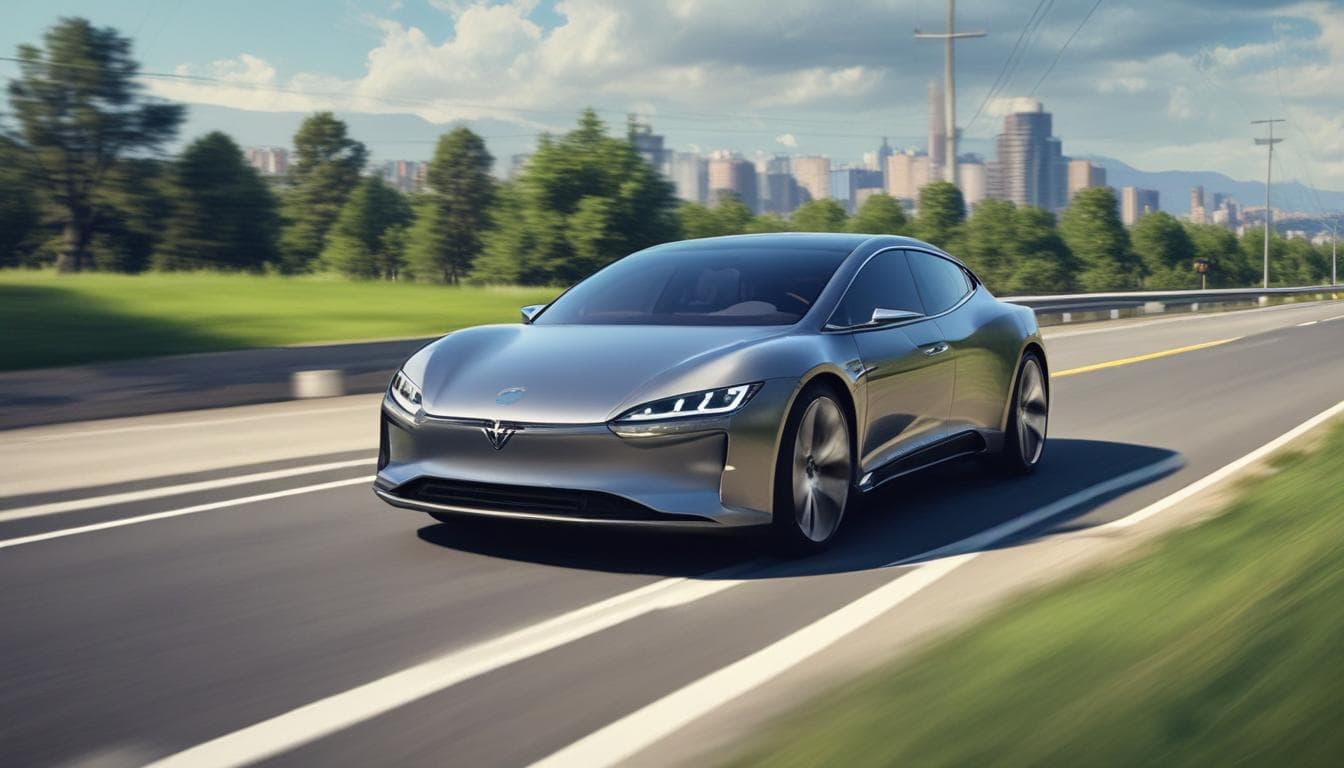
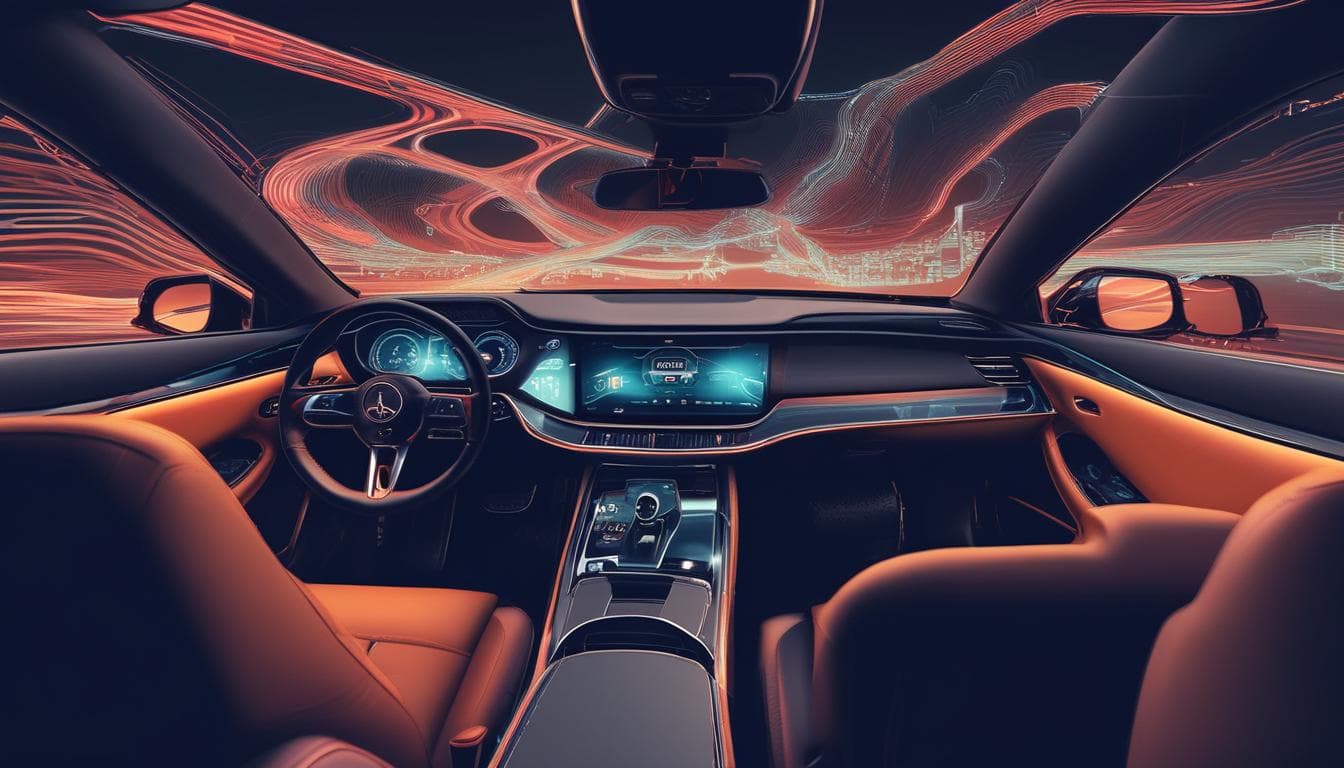
Imagine a future where cars are designed not just for performance, safety, and comfort, but also to profoundly influence our psychological and emotional states through subtle sensory engineering. Beyond adaptive lighting and soundscapes, consider how integrated haptic feedback, bespoke atmospheric scents, or even subliminal visual cues could be used to induce calm, enhance focus, or evoke specific memories during a journey. What ethical boundaries would need to be established for vehicles capable of 'mood management,' and how might this redefine the very purpose of a car?
Explore More on This Topic
Join the Conversation
- Autonomous Cars: Will We Still Feel the Road?
Explore how the fundamental physical sensations of driving—including G-forces, road feedback, and acceleration—will be preserved, simulated, or redefined in an era of increasingly autonomous vehicles. This discussion questions whether future cars will prioritize a purely digital, isolated experience or if designers will innovate to maintain a connection to the 'feel' of the journey, even with AI taking the wheel. Join the conversation on the evolving automotive sensory experience.
- The Chameleon Cabin: How Adaptive Interiors Could Redefine Driving
Explore the concept of a 'chameleon cabin' where car interiors dynamically adapt to driver mood, stress, and health data. Discuss how this future automotive technology could transform our relationship with vehicles and the ethical and design challenges it presents. Join the conversation on personalized driving experiences.
- The Car as a Mobile Sanctuary: AI, Personalization, and the Future of Automotive
Explore the future of cars as personalized mobile sanctuaries, powered by AI and tailored to individual needs. Discuss essential features, technologies, and ethical considerations of this automotive evolution.