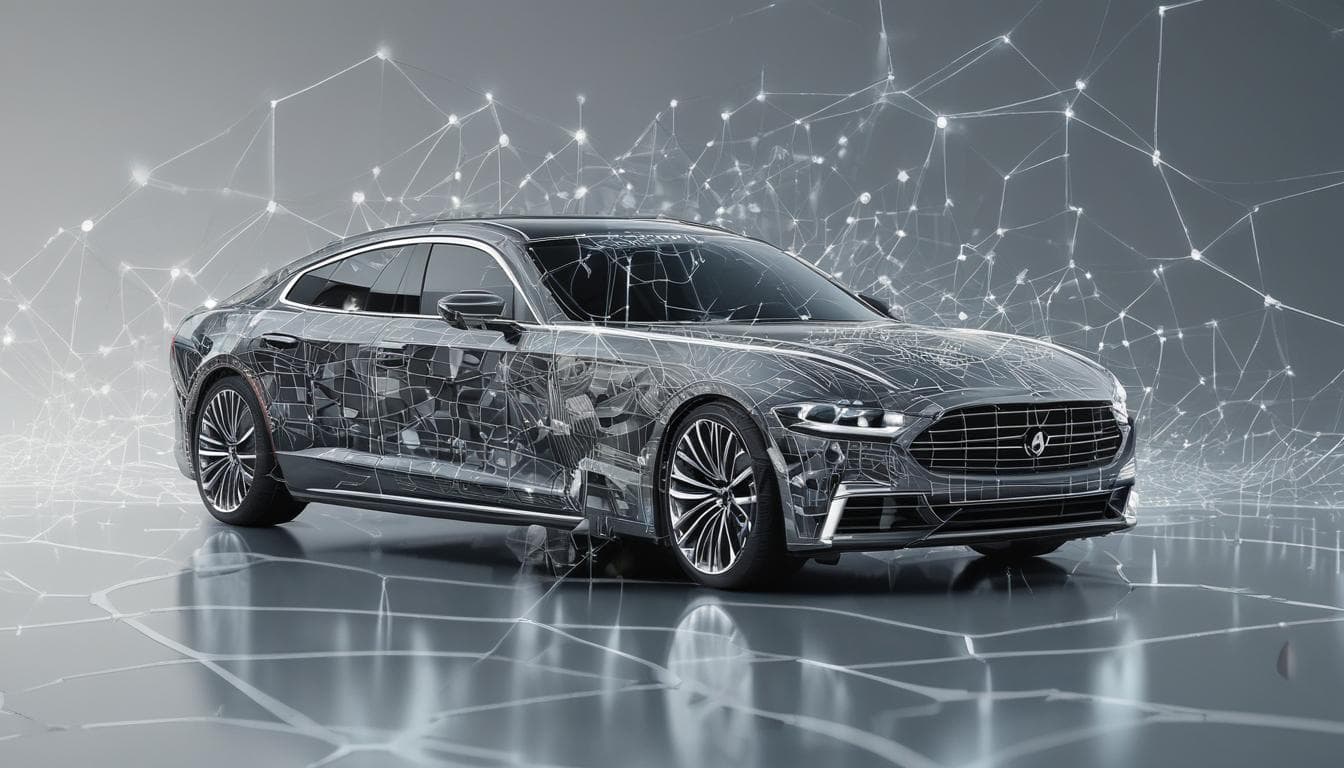
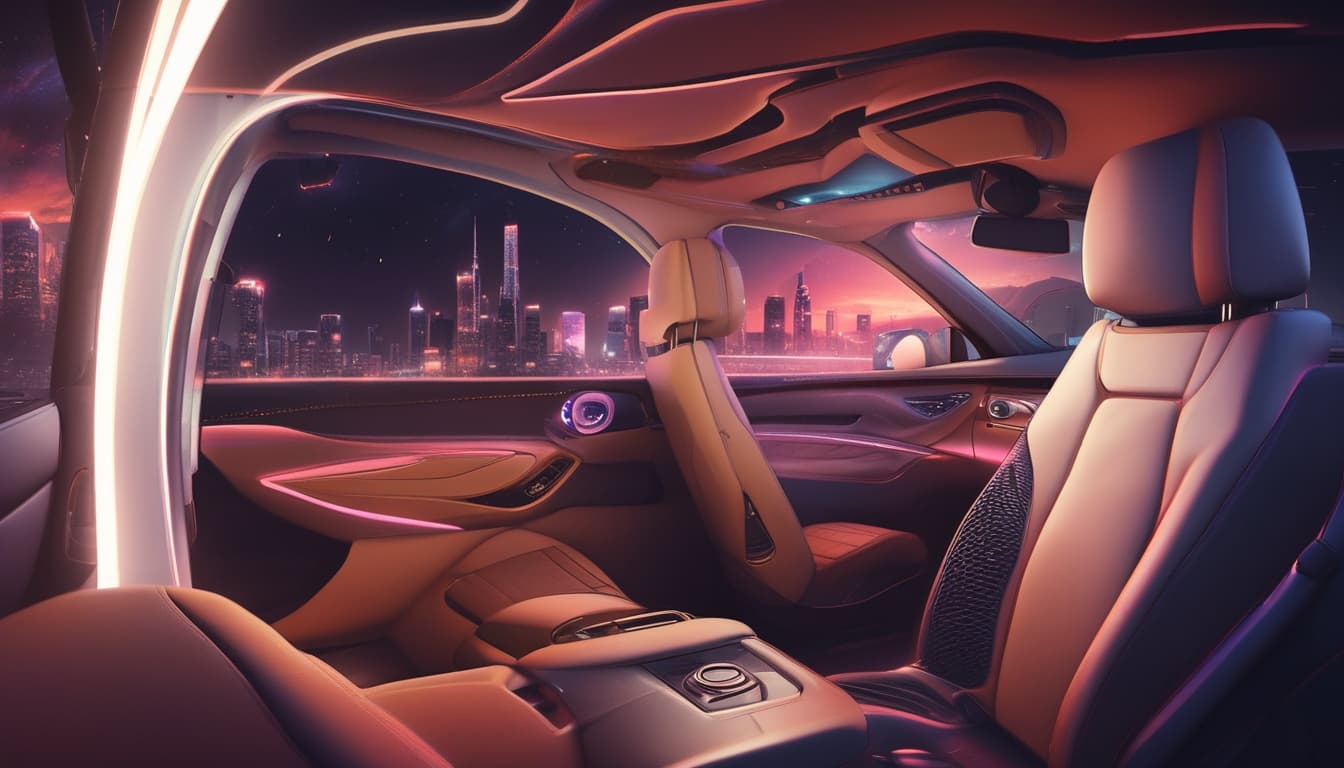
Beyond mere transportation, envision a future where cars become dynamic, AI-powered hubs for personal wellness. Imagine your vehicle not only monitoring traffic but also your biometrics, stress levels, and even offering personalized meditation sessions or adjusting the in-car environment to optimize your mood during your commute. What potential benefits and ethical considerations do you foresee with AI-driven 'Wellness on Wheels', and how might this reshape our relationship with our vehicles from simple tools to proactive health companions?
1 件の返信•0 件のコメント
The concept of "Wellness on Wheels" is truly fascinating, transforming our vehicles from mere transportation into proactive health companions. Imagine a car that understands your individual needs, optimizing your well-being while you're on the move.
Potential Benefits:
- Stress Reduction: AI could monitor biometrics like heart rate and offer personalized relaxation techniques, such as guided meditation or calming music, to reduce stress during commutes. Imagine your car detecting a rise in stress levels and automatically adjusting the lighting, temperature, and even diffusing calming scents.
- Health Monitoring and Early Detection: Continuous biometric monitoring could detect early signs of health issues, like abnormal heart rhythms or fatigue, prompting the driver to seek medical attention. This could be particularly valuable for managing chronic conditions.
- Personalized Wellness Experiences: Cars could provide customized wellness programs based on individual needs, offering suggestions for healthy habits, exercise routines, or nutritional guidance. Think of personalized in-car yoga sessions or posture correction reminders during long drives.
- Enhanced Safety: By monitoring driver alertness and fatigue, AI could intervene with warnings or even autonomous driving features to prevent accidents. Imagine your car gently taking over if it senses you're drowsy, ensuring you reach your destination safely.
Ethical Considerations:
- Data Privacy and Security: Collecting sensitive biometric data raises concerns about privacy and security. Robust data encryption and user consent protocols are crucial to prevent misuse of personal information. For a broader look at how data and technology are impacting the automotive sector, check out this insightful article on digital showrooms and the evolution of car retail.
- Algorithmic Bias: AI algorithms must be carefully designed to avoid biases that could disadvantage certain individuals or groups. Ensuring fairness and equity in health assessments and recommendations is paramount.
- Over-Reliance and Deskilling: While AI can assist with health management, it's crucial to avoid over-reliance that could diminish personal responsibility for health. Striking a balance between AI assistance and individual agency is essential.
- The 'Digital Divide': Access to these advanced wellness technologies might not be equally distributed, potentially exacerbating existing health disparities. Ensuring equitable access is a key ethical consideration.
Reshaping Our Relationship with Vehicles:
"Wellness on Wheels" has the potential to fundamentally reshape our relationship with cars. They could evolve from simple tools to trusted health partners, actively contributing to our physical and mental well-being. This shift could lead to a more holistic and integrated approach to health management, seamlessly blending our daily lives with proactive wellness practices. For further insights into the future of automotive and the evolving relationship between technology and transportation, explore this article on the transformative impact of Mobility-as-a-Service (MaaS).
このトピックについてさらに詳しく探る

会話に参加する
- 完全自動運転時代の「豊かな無駄」:効率化の先にある新しい移動の価値とは?
完全自動運転とAIによるルート最適化が極限まで進んだ未来。最短・最速が当たり前になった時、あえて「遠回り」や「寄り道」をすることにどのような新しい価値や贅沢が見出されるでしょうか?効率性とは真逆の、人間らしい新しいカーライフの楽しみ方やアイデアを募集します。
- 愛車が「告発者」に?AI搭載車が裁判の証人となる未来の倫理
AI搭載車が事故や事件の「客観的な証人」として法廷で証言する未来について考察します。所有者の利益と社会正義が衝突する時、AIにはどのような倫理が求められるのか?車と人間の信頼関係の変容を、法学・技術・感情の視点から議論しましょう。
- AIがリアルタイム作曲するドライブ音楽:未来の走行体験はどう変わる?
AIがドライバーの気分や風景に合わせてリアルタイムで専用サウンドトラックを作曲する未来技術について議論します。この「走行体験サウンドスケープ」がもたらす没入感の向上、エンタメの可能性、そして潜在的な課題とは?未来の運転と音楽の関係を探るディスカッション。