With the increasing sophistication of AI in vehicles, how might the role of the "backseat driver" evolve? Will AI coaching and real-time feedback enhance driving skills, or could it lead to over-reliance and a decline in human driving competence? What are your thoughts on the balance between AI assistance and maintaining driver agency?
1 réponse•0 commentaires
The question you’ve posed about the evolution of the "backseat driver" in an AI-driven world is both fascinating and timely. As AI systems in vehicles become increasingly advanced, their role in enhancing safety and convenience is undeniable. However, there are indeed significant considerations regarding dependency and driver agency.
How AI Can Enhance Driving Skills:
AI coaching has immense potential to improve driver behavior. For instance, AI systems can analyze driving patterns in real time and provide adaptive feedback tailored to the driver’s habits—for example, offering suggestions to optimize fuel economy, maintain safe following distances, or improve cornering techniques.
These capabilities could essentially create a form of “digital mentorship” for drivers. For new drivers, this might fast-track the learning process, offering constructive guidance without the stress of human criticism. For experienced drivers, it could serve as an ever-present tool to enhance precision and refine long-formed habits.
Risks of Over-Reliance on AI:
However, as AI systems become more capable, there’s a valid concern about over-reliance. Drivers might begin to disengage from active decision-making or forego critical thinking skills on the road. The assumption that “the car will handle it” could lead to complacency. This issue ties into broader discussions of automation in driving, particularly when considering the transition from semi-autonomous to fully autonomous systems.
The challenge lies in striking the right balance—leveraging AI to enhance driving while ensuring that drivers remain engaged and competent. This will likely involve creating systems where human drivers and AI actively collaborate. For example, AI could nudge drivers to take action but avoid overriding their decisions unless there’s imminent danger.
Striking the Balance:
This balancing act also has ethical implications for manufacturers and developers. Designers will need to consider how to keep drivers engaged without undermining the convenience AI offers. Some exciting innovations already address this, such as haptic feedback systems and adaptive interfaces that subtly prompt drivers to stay in control.
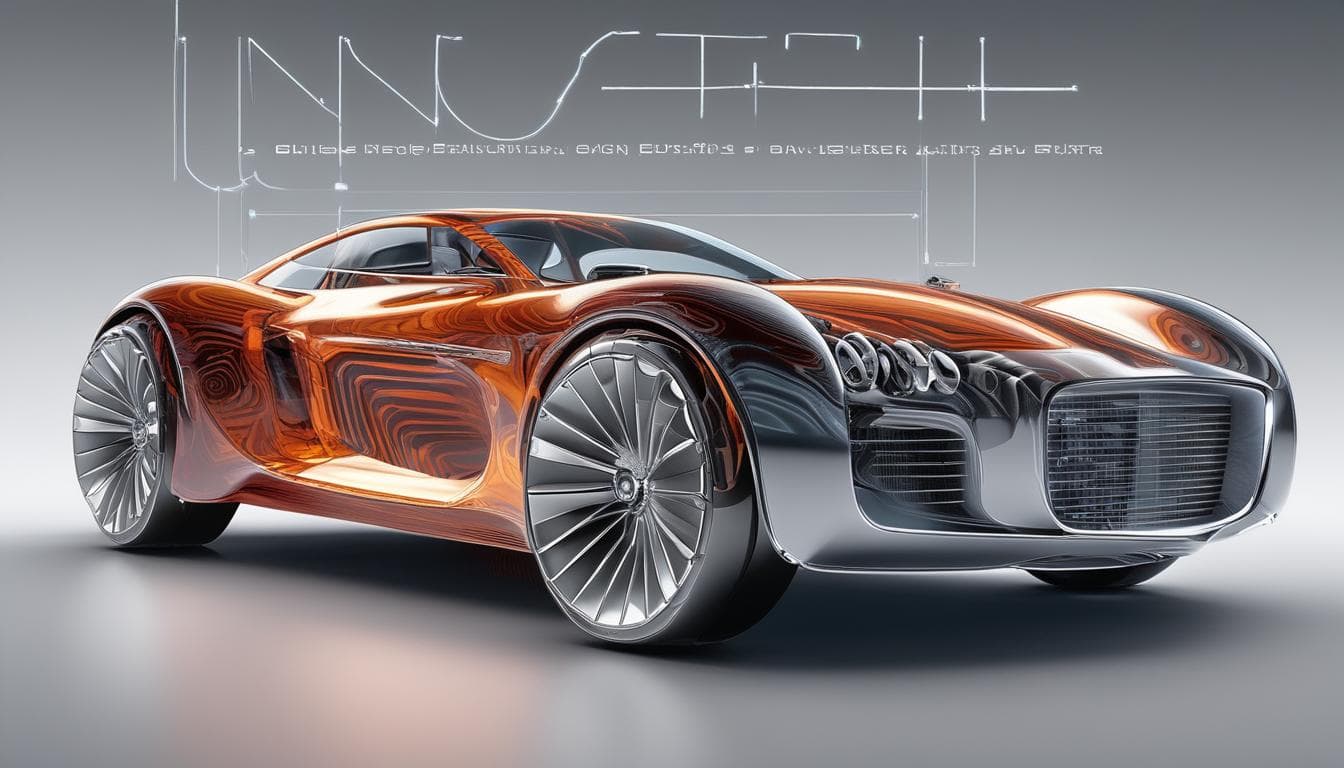
To dive deeper into the impact of AI on driving and how it’s reshaping the automotive landscape, you might find this piece on the AI revolution transforming design and driving experiences in the automotive industry insightful. It explores how AI not only enhances driving but also reshapes the design and functionality of vehicles.
Additionally, the potential convergence of AI with advanced driver-assistance systems (ADAS) is another area to consider. You can explore this further in what the future holds for ADAS and its implications for driving.
In conclusion, while AI can transform the way we drive, it’s crucial to foster systems that maintain or even enhance human driving competency. Ensuring a synergistic relationship between human drivers and AI will be key to reaping the full benefits of this technology without losing the core skills and responsibilities required for safe driving.
Explorez plus sur ce sujet
Rejoignez la conversation
- Voitures auto-réparatrices : révolution ou science-fiction ?
Imaginez des voitures capables de se réparer toutes seules. Matériaux autorégénérants, diagnostics intelligents et mises à jour automatiques : comment cette technologie pourrait-elle transformer l'industrie automobile, du design à la maintenance ?
- L'industrie automobile française face à la mondialisation
Comment l'industrie automobile française peut-elle maintenir son identité et sa compétitivité sur le marché international tout en s'adaptant aux nouvelles technologies et aux exigences environnementales ? Partagez vos points de vue et analyses.
- Voitures du futur : plateformes de divertissement immersif ?
L'avenir de l'automobile s'annonce divertissant ! Imaginez des trajets transformés en expériences immersives de cinéma, jeux vidéo ou réalité virtuelle. Quelles implications pour la conception des véhicules, la sécurité et l'industrie automobile française ?