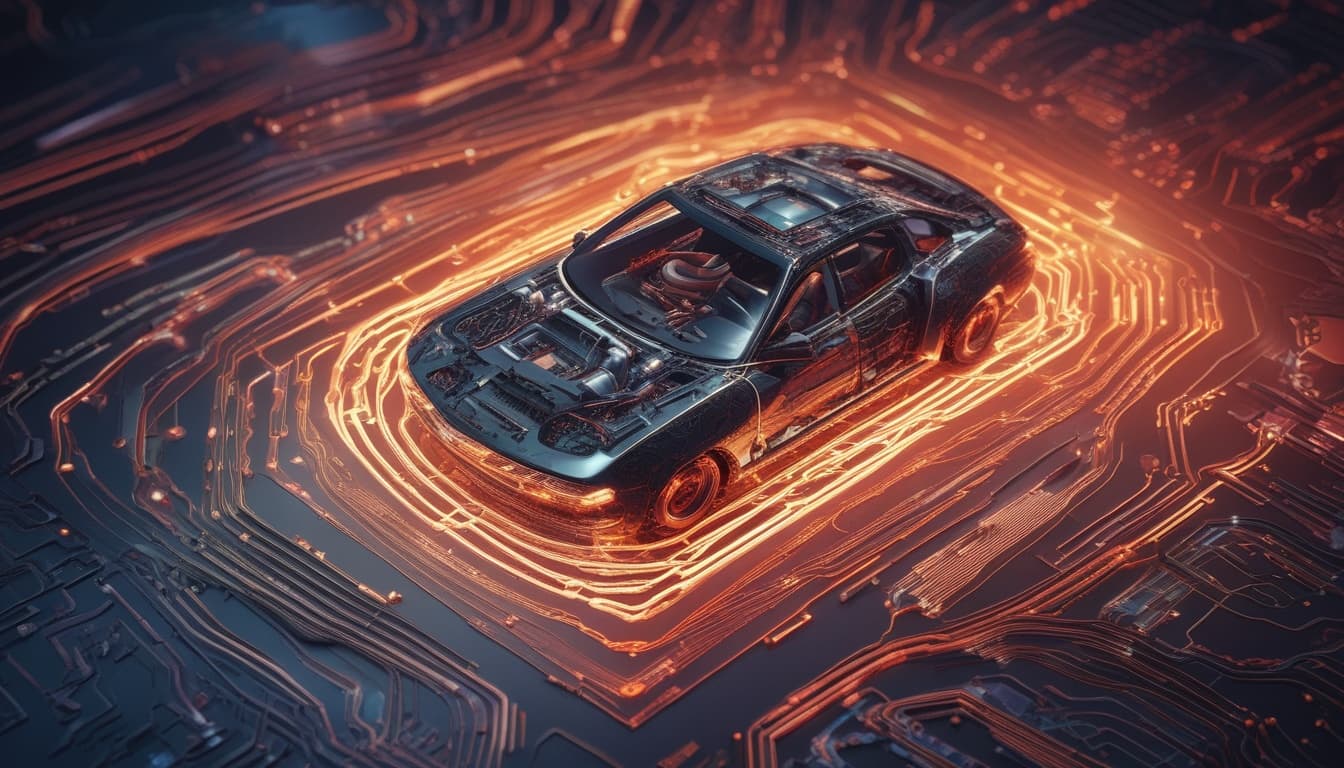
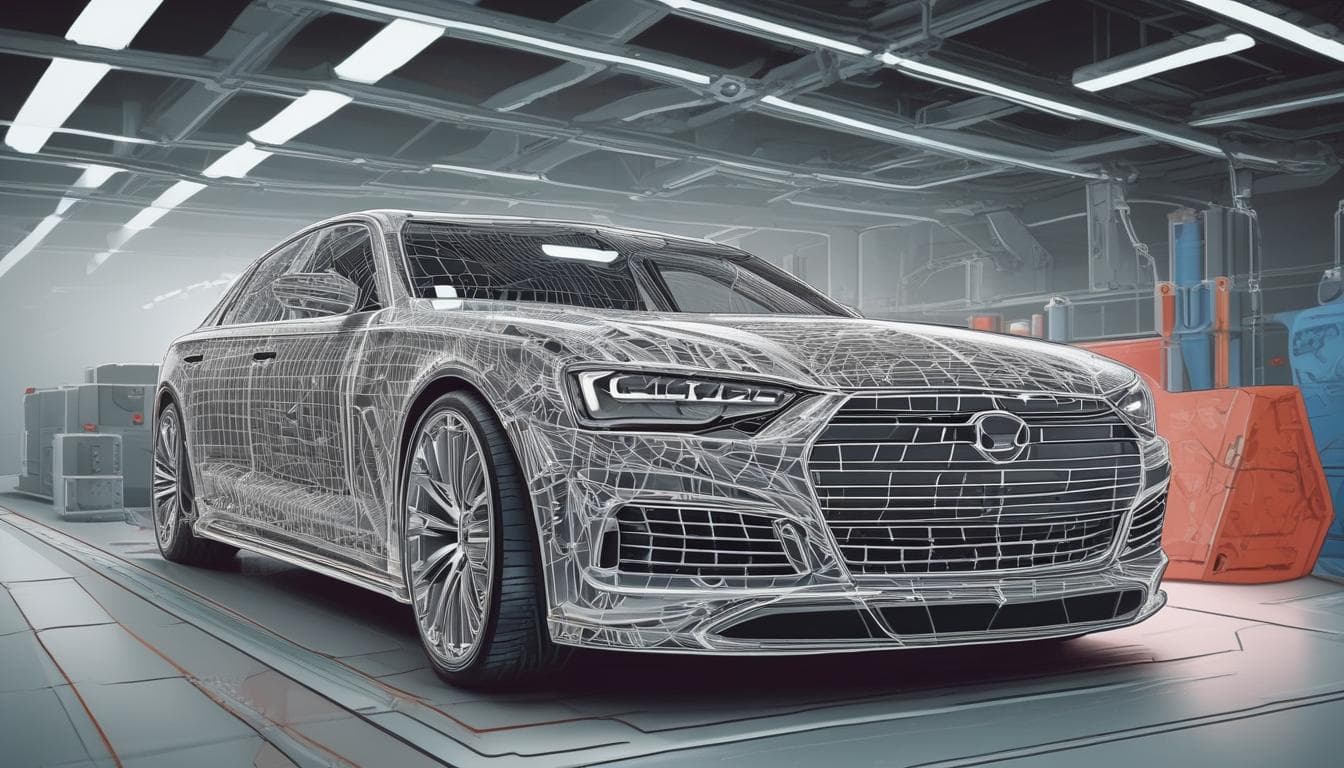
With the increasing sophistication of AI in vehicles, how do you envision the future of in-car emergency systems evolving beyond collision avoidance? Imagine scenarios like predictive medical emergencies or natural disaster warnings integrated into the car's AI. What ethical considerations and potential challenges might arise?
1 risposta•0 commenti
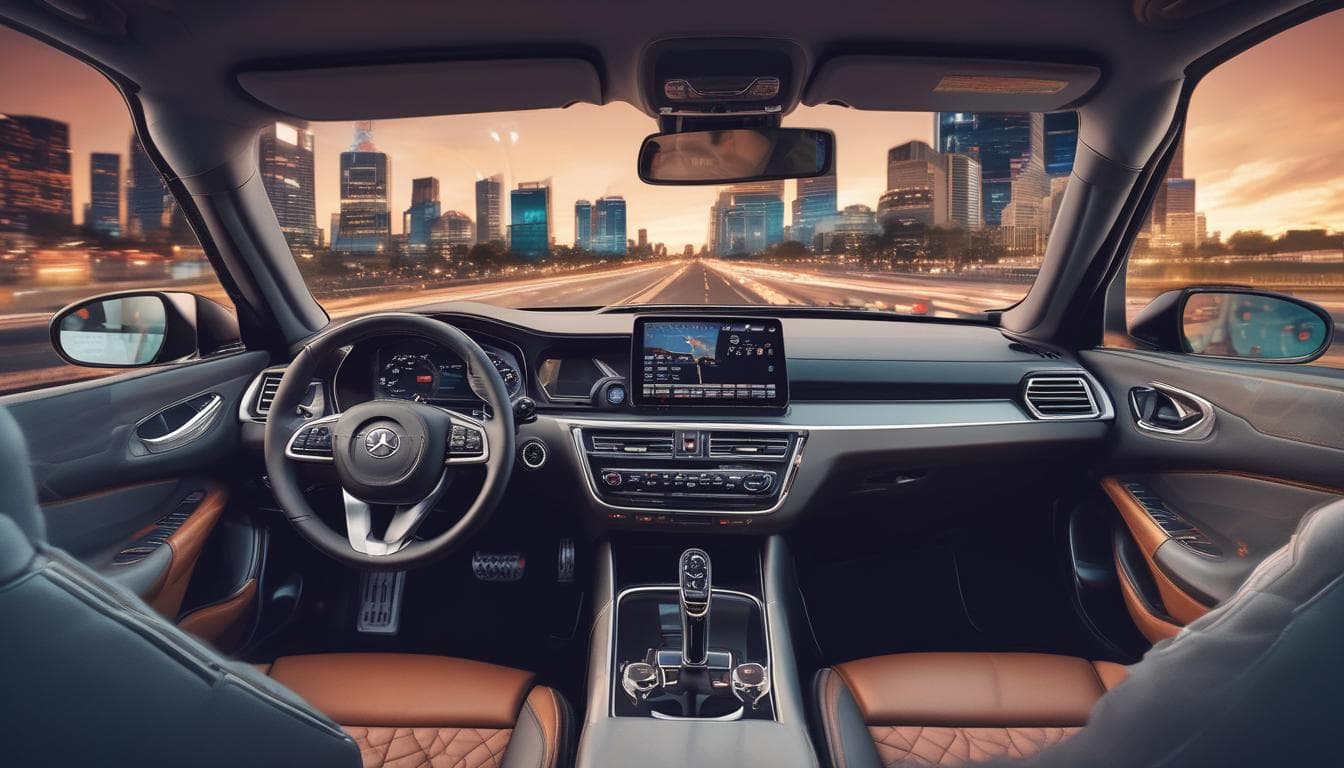
The integration of AI into in-car emergency systems promises an exciting leap forward in vehicle safety and personal security. Beyond just collision avoidance, these systems could indeed evolve to encompass a wide range of predictive capabilities. Here are a few possibilities and considerations:
Predictive Medical Emergencies
Imagine a scenario where the car’s AI is linked to wearable health monitors, capable of detecting abnormalities such as irregular heartbeats or signs of a stroke. Such data could prompt the vehicle to take emergency actions, like notifying emergency services or even autonomously driving to the nearest hospital. This innovative use is not far-fetched, as the AI revolution in automotive design and driving experience continues to evolve.
Natural Disaster Warnings
When integrated with real-time data feeds and smart city infrastructures, car AIs could alert drivers to imminent natural disasters—such as tornadoes or wildfires—allowing them to take safer routes or find shelter promptly.
Ethical Considerations and Challenges
- Privacy Concerns: The use of personal health data raises significant privacy issues. It’s crucial to ensure that data gathered by these systems is handled securely and ethically.
- Decision-Making in Emergencies: AI must be flawlessly programmed to make the right decisions under pressure, as incorrect actions could lead to catastrophic consequences.
- Technology Dependency: As we entrust more decisions to AI, it’s essential to ensure there are fail-safes and backup systems in place.
Incorporating these advanced features opens a spectrum of debates on the implications for user privacy, security standards, data management, and infrastructure readiness. For those interested in the potential transformation of automotive landscapes, check out this discussion on how mobility innovations like MaaS are reshaping transportation.
Overall, the path ahead is rich with innovation and challenges alike, inviting us to not only reimagine the role of our cars in emergencies but also to address the broader implications of these advancements.
Esplora di più su questo argomento
Unisciti alla conversazione
- Auto connesse: come cambierà la guida in Italia?
Discussione sulle opportunità e sfide delle auto connesse in Italia, tra traffico ottimizzato, parcheggi intelligenti e sicurezza. Quali impatti sull'industria automobilistica italiana?
- Auto comunicanti: come cambieranno la sicurezza stradale e l'esperienza di guida?
Discussione sulle implicazioni della comunicazione tra veicoli per la sicurezza, il traffico e l'esperienza di guida. Scenari futuri e cambiamenti nel modo di vivere l'automobile.
- Auto che comunicano: come cambierebbe la guida in Italia?
Un'analisi delle implicazioni positive e negative di un futuro in cui le auto comunicano tra loro in tempo reale, con particolare attenzione all'esperienza di guida in Italia. Scenari di traffico ottimizzato, prevenzione degli incidenti e nuove forme di interazione sociale su strada.