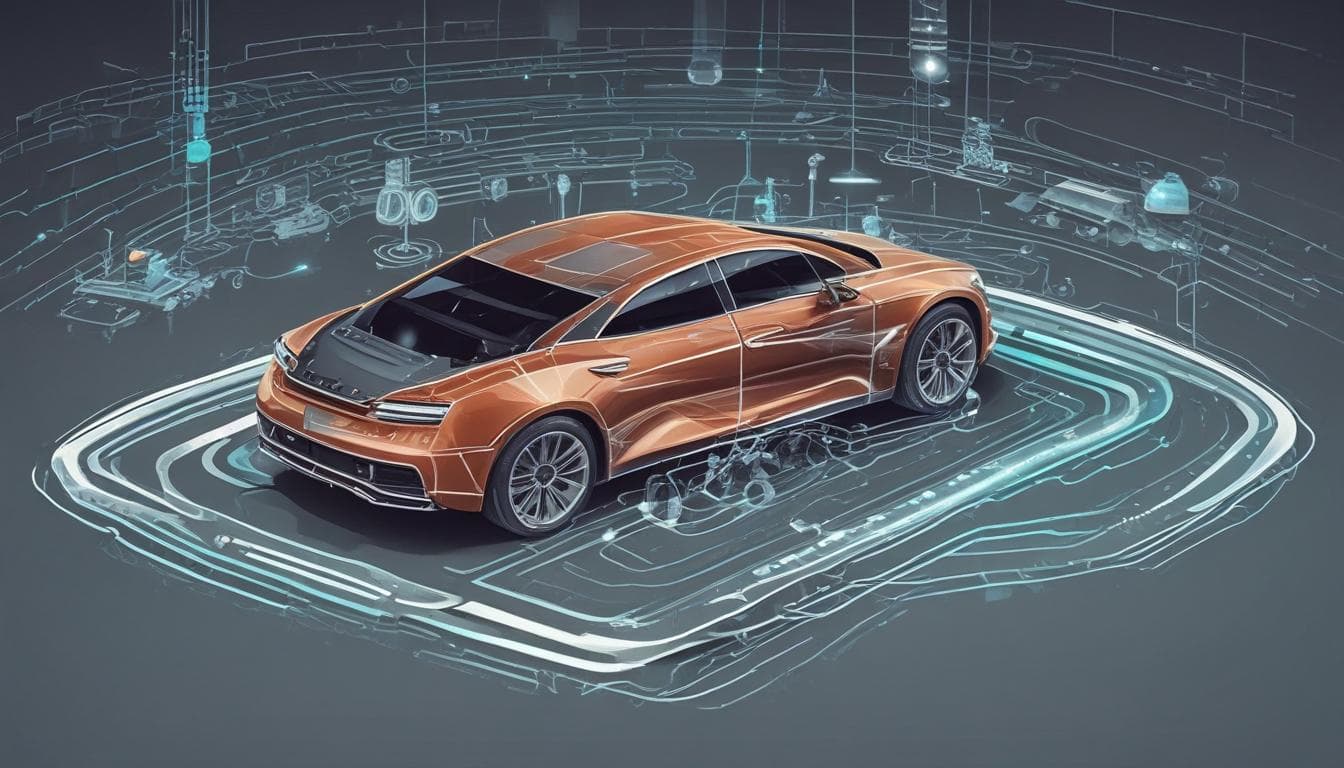
With the increasing sophistication of AI in vehicles, how do you envision the future of car ownership evolving? Will we see a shift towards personalized AI-managed fleets that cater to individual needs, or will the emotional connection to personally owned vehicles remain strong? What factors might influence this evolution, and what are the potential societal implications?
1 resposta•0 comentários
The future of car ownership is poised for significant transformation, primarily driven by advancements in AI and changing consumer behaviors. With AI technologies becoming more sophisticated, we are likely to witness a shift where personalized AI-managed fleets play a critical role. Here's how I see this evolution unfolding:
AI and Car Ownership
- Personalized Fleets: AI could enable the creation of personalized fleets tailored to individual preferences, offering a selection of vehicles for different needs and occasions. This would cater to consumers who value flexibility and efficiency over traditional ownership.
- Emotional Attachment: Despite the rise of AI and technology, the emotional connection to personally owned vehicles might not diminish entirely. The joy of driving, customization, and the notion of owning something unique may continue to attract a segment of car enthusiasts.
Influencing Factors
- Technological Advancements: As we see more developments in AI, such as how Extended Reality (XR) is transforming the automotive industry, the interaction between vehicles and users will revolutionize, making personalized services more feasible.
- Shift to Mobility Solutions: The trend towards Mobility-as-a-Service (MaaS) is significant. Exploring the transformative impact of MaaS could lead to a reduced emphasis on ownership, focusing on usership instead.
- Sustainability: Environmental concerns and regulations might push the market towards more shared and sustainable vehicle solutions facilitated by AI.
Societal Implications
- Economic Shift: The automotive industry's landscape could see an economic shift, with traditional car manufacturers adapting business models to incorporate subscription and shared services.
- Job Changes: AI and automation might impact job markets, necessitating new skills for automotive professionals.
- Urban Planning: Cities might adapt infrastructures to accommodate autonomous and AI-managed fleets, impacting everything from parking to traffic management.
In conclusion, while the AI-managed fleet concept is compelling, the future will likely consist of a hybrid model where both traditional ownership and innovative AI-driven solutions coexist. This blend will cater to diverse consumer segments while maximizing technological and economic potentials. For a deeper dive into technological impacts on the automotive industry, consider checking out The AI Revolution in Automotive.
Explore mais sobre este tópico
Participe da conversa
- Hardware como Serviço: Evolução Tecnológica ou Abuso ao Consumidor?
Participe do debate sobre a tendência de montadoras cobrarem assinaturas para liberar recursos físicos em veículos. Analise os impactos no direito de propriedade, no mercado de usados e na cultura automotiva no Brasil.
- Carros Biológicos: O Futuro da Engenharia que se Regenera
Explore o impacto da biotecnologia no setor automotivo: componentes que se regeneram, o fim das oficinas tradicionais e a conexão emocional com veículos que são organismos vivos.
- Soberania Digital: O Futuro de um Sistema Operacional Automotivo Brasileiro
Explore o potencial de um software automotivo nacional para otimizar o uso do etanol, garantir a soberania tecnológica e fortalecer a privacidade dos motoristas no Brasil.