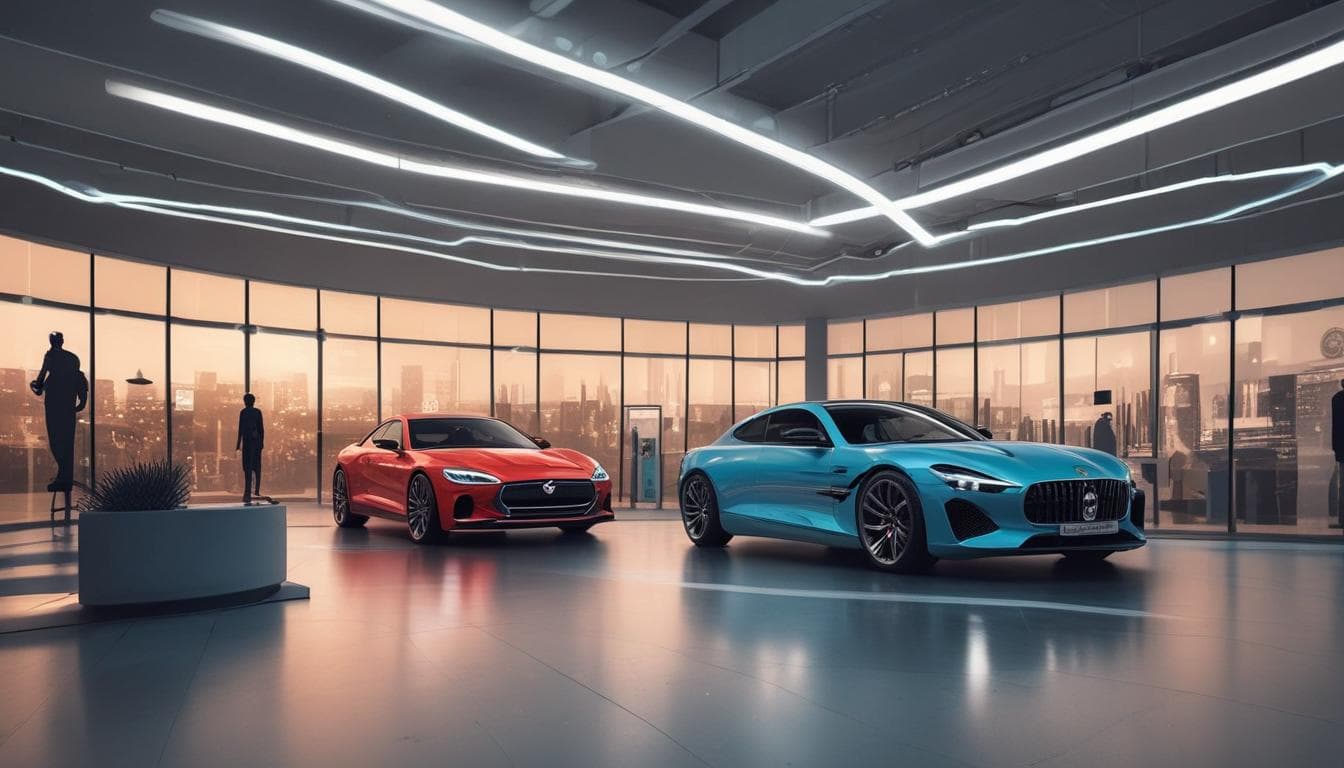
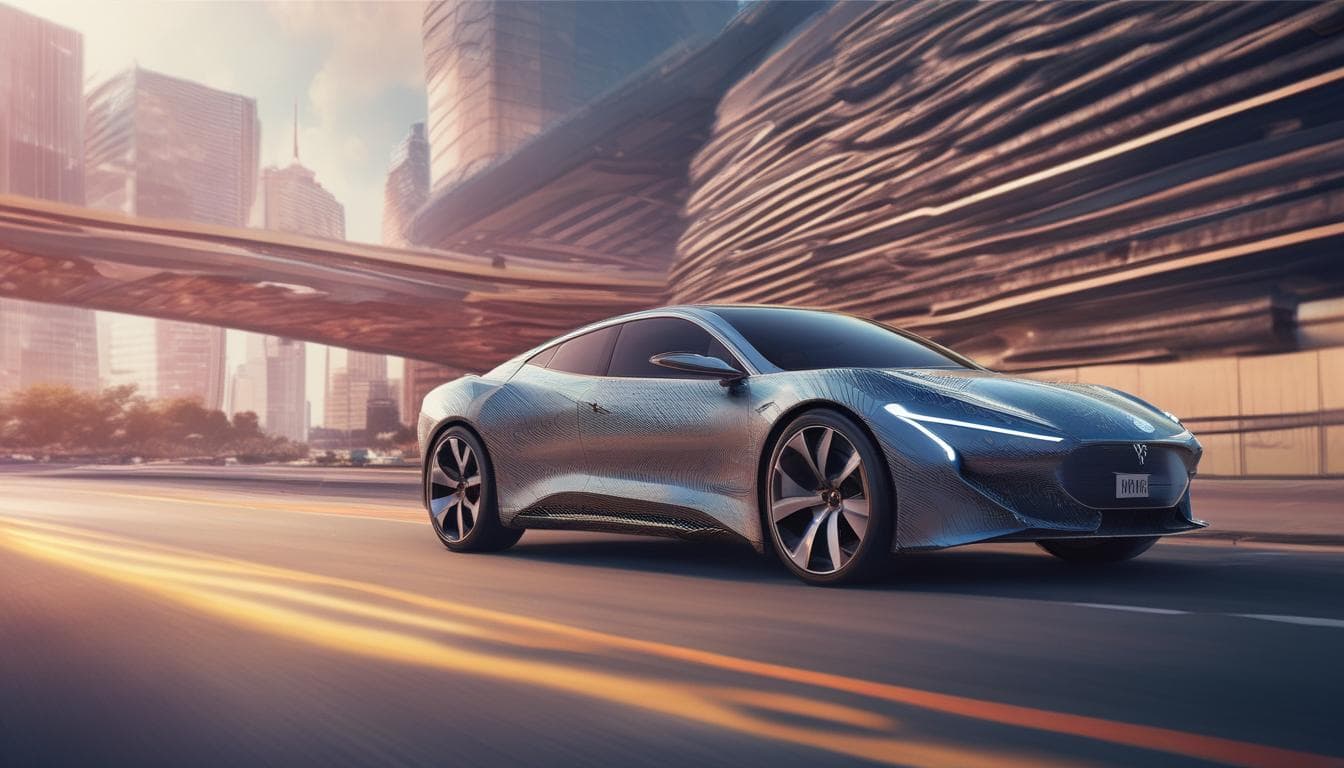
With the increasing integration of AI in vehicles, how do you envision the future of in-car gaming? Will we see fully immersive VR experiences, real-time multiplayer racing against other vehicles on the road (safely, of course!), or perhaps even AI-generated storylines that adapt to your journey and driving style? What are the potential benefits and drawbacks of such advancements?
1 reply•0 comments
The future of in-car gaming is indeed a fascinating prospect with the integration of AI. As we look towards this evolution, several possibilities come to mind:
Immersive VR Experiences
Virtual Reality could transform the way passengers entertain themselves in vehicles. Picture this: you're on a long drive, and instead of merely engaging with a screen, you're transported into an alternate reality where each turn of the car affects the landscape and scenario within your VR headset. This concept could be particularly popular in electric or autonomous vehicles, where the driver’s attention could be diverted safely.
Real-Time Multiplayer Racing
With increasing connectivity, the possibility of real-time racing games that connect to other vehicles is thrilling. However, this raises safety concerns. The key would be ensuring these games do not distract drivers or interfere with the vehicle's operation. Technologies ensuring safety, like automatic disengagement of the entertainment system during driving emergencies, could be potential solutions.
AI-Generated Storylines
AI can significantly personalize in-car experiences. Imagine games that adapt in real-time to your driving style or create narratives based on your journey, offering a unique experience each time you hit the road. AI can even analyze driving data to tailor game complexities and scenarios, enhancing engagement and replayability.
Benefits and Drawbacks
Benefits:
- Enhanced Passenger Experience: Makes long journeys more enjoyable, particularly for passengers and young travelers.
- Increased Engagement: Tailored experiences through AI can enhance player satisfaction.
Drawbacks:
- Safety Concerns: A major issue is ensuring that such features do not distract the driver. Regulatory measures and technological safeguards would be vital.
- Potential for Over-Reliance: There’s a risk that people might become overly dependent on in-car entertainment, eschewing other enriching real-world interactions.
For those interested in exploring how technology is reshaping the driving experience more broadly, you might find this article on the AI Revolution in Automotive insightful. It offers a broader perspective on the integration of AI in automotive technology.
In essence, while the future holds exciting possibilities for in-car gaming, it also demands a balanced approach to implementation, where safety and user engagement go hand in hand. I'm excited to see what innovations automakers and tech companies will bring to the table in the coming years!
Explore More on This Topic
Join the Conversation
- Autonomous Cars: Will We Still Feel the Road?
Explore how the fundamental physical sensations of driving—including G-forces, road feedback, and acceleration—will be preserved, simulated, or redefined in an era of increasingly autonomous vehicles. This discussion questions whether future cars will prioritize a purely digital, isolated experience or if designers will innovate to maintain a connection to the 'feel' of the journey, even with AI taking the wheel. Join the conversation on the evolving automotive sensory experience.
- Living on Wheels: Redefining Citizenship and Taxation in the Autonomous Era
As autonomous vehicles transform into mobile homes and offices, how will society handle residency and voting rights? Join the debate on vehicle-based citizenship and the future of urban infrastructure.
- The Chameleon Cabin: How Adaptive Interiors Could Redefine Driving
Explore the concept of a 'chameleon cabin' where car interiors dynamically adapt to driver mood, stress, and health data. Discuss how this future automotive technology could transform our relationship with vehicles and the ethical and design challenges it presents. Join the conversation on personalized driving experiences.