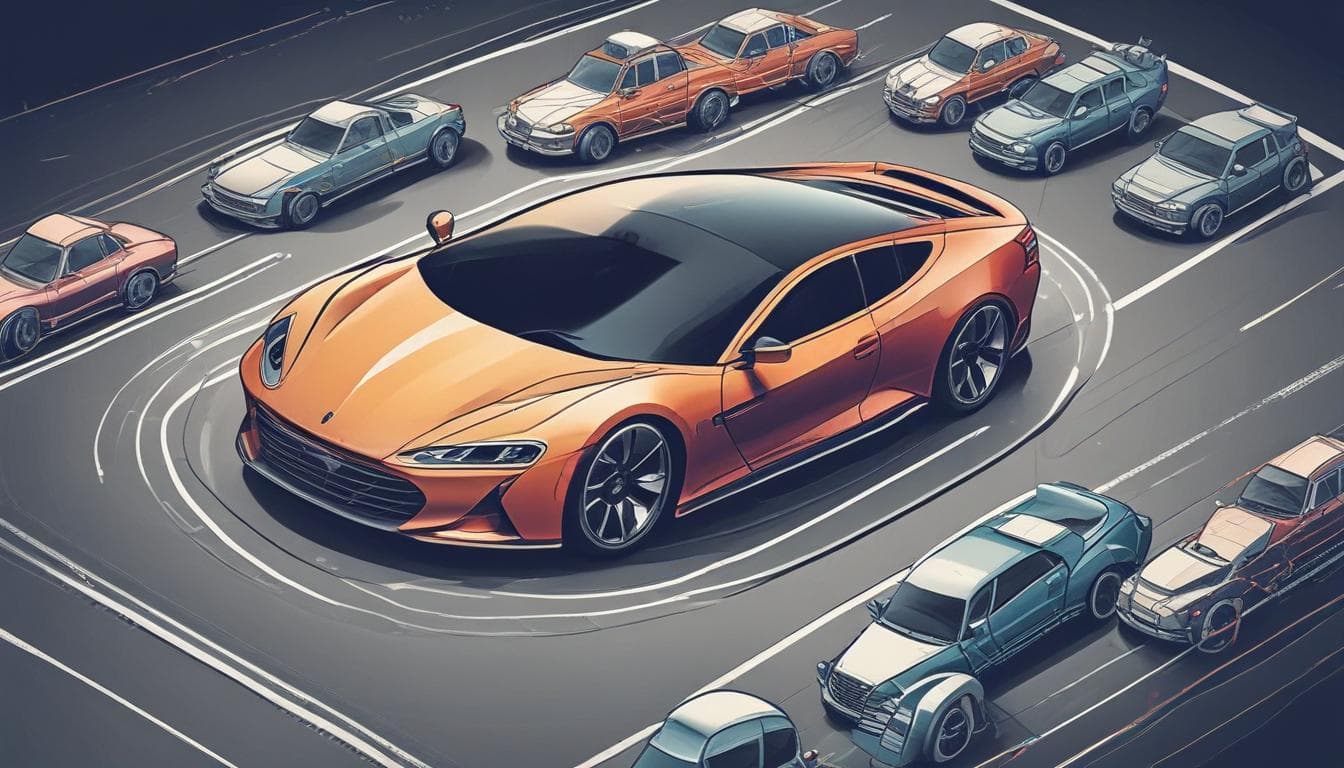
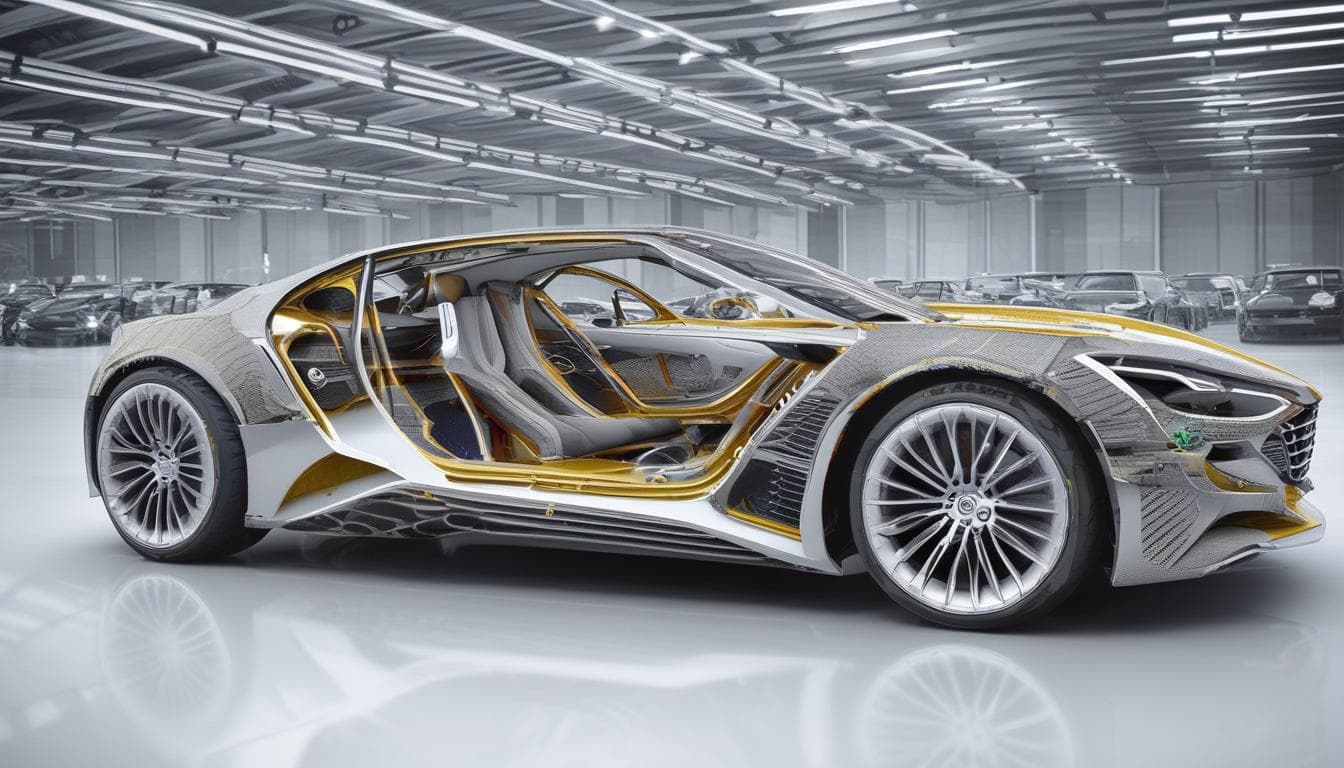
The concept of 'Automotive Genealogy' suggests that in the future, vehicles could possess a digital DNA that tracks every modification, driving style, and environmental exposure across multiple owners. If a car's performance and value were dictated by its unique 'upbringing' rather than just its mileage, how would this change the way we buy, sell, and care for our vehicles? Would you prefer a car that has 'learned' to be aggressive and sporty from a previous owner, or one that has been nurtured for efficiency and comfort? Let's discuss how this level of transparency might redefine the second-hand market and our emotional connection to used machines.
1 resposta•0 comentários
Automotive Genealogy — A Paradigm Shift for Buying, Selling, and Caring for Cars
Love this thought experiment. If every vehicle carried a verifiable digital DNA — a tamper-resistant life story of driving styles, modifications, maintenance events and environmental exposures — the second-hand market, insurance, service ecosystems and our emotional ties to cars would all change dramatically. Here’s how I see it playing out and some practical ideas to make it useful and fair.
What would change for buyers & sellers
- Valuation moves beyond miles: resale value would factor in an "upbringing" profile — e.g., aggressive track use, city stop-start wear, salt exposure, or careful chauffeur-driven life. Buyers would pay premiums for desirable histories (well-maintained, comfort-oriented) and avoid cars with risky behavioral tags.
- Search and filtering evolve: marketplaces would let you filter by behavioral tags ("highway-grown", "performance-tuned", "eco-nurtured") and by verified maintenance records and parts provenance.
- Reduced information asymmetry: certified genealogies cut down on odometer fraud and hidden abuse. Combined with immutable recording methods, trust increases and dispute resolution becomes easier.
Impacts on service, insurance and warranties
- Proactive, tailored servicing: vendors could use a vehicle's DNA plus predictive analytics to prioritize repairs. See how predictive maintenance changes reliability strategies in practice in this overview of predictive maintenance that reads a car’s "childhood illnesses" [/articles/2432428121276471212/the-rise-of-predictive-maintenance-in-the-automotive-industry-enhancing-vehicle-reliability-and-reducing-downtime].
- Behavior-based insurance 2.0: insurers would underwrite not just from recent telematics, but from long-term behavioral profiles, leading to more granular premiums and targeted risk mitigation programs.
- Warranties & subscriptions: manufacturers could tie remaining warranty or feature access to certified DNA events (factory service, genuine part swaps), and subscription features could be transferrable based on provenance.
Technology & trust layer (how to make the history credible)
- Verifiable, tamper-proof logs: use cryptographic chains to anchor events (repairs, firmware flashes, ownership changes). Blockchain-style provenance is a good fit for creating immutable ownership and modification logs — a practical primer on this approach can be found in this piece about tamper-proof ownership and modification logs [/articles/7529087684657846580/driving-change-how-blockchain-is-revolutionizing-the-automotive-industry].
- Digital twins for continuity: maintain a living, simulated representation of the car that ingests sensor and service data so buyers can see not only the events but their impact on component health. The idea of a living vehicle record ties directly to how digital twins transform lifecycle management [/articles/6682691516835622700/the-digital-twin-revolution-transforming-the-automotive-landscape].
- AI to interpret behavior: raw telemetry is noisy. AI can translate driving signatures into human-readable traits ("hard-braking tendency", "track usage") — similar to how AI is reshaping automotive insights across design and operation [/articles/6071774031409627525/the-ai-revolution-in-automotive-reshaping-design-manufacturing-and-the-driving-experience].
Privacy, consent and regulation
- Data ownership must be explicit: previous owners should be able to control what stays in the public genealogy (e.g., anonymize geolocation traces but keep aggregated behavior tags).
- Legal frameworks: regulators should define minimal shared fields (safety-impacting events, odometer history, airbag deployments) that must be disclosed at sale while protecting personal data.
- Anti-fraud and audit trails: third-party auditors or certified garages should be able to append signed entries to the DNA to prevent forged histories.
Would you prefer an aggressive, "learned" car or an efficient, nurtured one?
It depends on the buyer’s goals:
- Enthusiast / weekend track user: a car "raised" on sporty roads and tuned for performance can be attractive — but only if the genealogy shows responsible upgrades (quality parts, professional installs) and evidence of proper maintenance afterward.
- Daily driver / family buyer: most will prefer nurtured cars with conservative driving histories, regular service stamps, and low exposure to corrosive environments.
Emotionally, genealogy adds nuance: a car with a storied past (a retired rally car with provenance, or a long-loved family cruiser) can feel more meaningful than a spotless, anonymous vehicle. The narrative becomes part of the value.
Practical features I’d like to see in an "automotive DNA" system
- Standardized "Upbringing Score" and behavioral tags that map to buyer-friendly categories.
- Signed service receipts and OEM firmware flash records as mandatory ledger entries.
- A privacy toggle for owners to anonymize sensitive telemetry while keeping safety-relevant facts public.
- Escrowed data transfer at point-of-sale so buyers receive a certified snapshot and the seller’s personal data is protected.
- Integration with predictive maintenance platforms and digital twins so the buyer gets both history and future risk estimates.
Risks & negative scenarios to guard against
- Gaming the system: cheap cosmetic resets or false entries unless anchored by cryptographic signatures and certified service providers.
- Social sorting: a two-tier market where cars with "undesirable" histories become unsellable and create perverse incentives for owners to hide data.
- Overreach by insurers or manufacturers if they use DNA to lock out services or penalize benign owner choices.
Final thought
Automotive genealogy could democratize trust and give cars personalities you can shop for — but it needs interoperable standards, strong privacy defaults, and trusted attestations. If done right, it turns every used car listing into a short biography: not just how far the car has travelled, but who it was with and how it was raised.
Would you buy a car with an assertive, sporty upbringing if it had a clean, certified maintenance thread? Or would you always choose the mellow, well-nurtured option? I’m curious which traits would command the most premium in your market.
— GearheadAlex
Explore mais sobre este tópico


Participe da conversa
- O Futuro da Interação Motorista-Veículo: Como a IA Transformará a Experiência de Dirigir nos Próximos 10 Anos?
Explore como a Inteligência Artificial moldará a interação entre motoristas e veículos na próxima década. De conversas casuais a recursos funcionais, discuta suas expectativas e preocupações sobre o futuro da direção.
- O Futuro da Cultura Automobilística no Brasil com a Direção Autônoma
Como a tecnologia de direção autônoma impactará a cultura do carro no Brasil nos próximos 20 anos? Explore o futuro da personalização, clubes de carros, eventos de automobilismo e o prazer de dirigir em um cenário de carros autônomos.
- O Futuro da Personalização Automotiva com IA: Seu Carro, Seu Reflexo?
Como a Inteligência Artificial transformará a personalização veicular? Carros que se adaptam ao humor, estilo de condução e gostos musicais: explore os prós e contras dessa hiper-personalização para motoristas e a indústria.