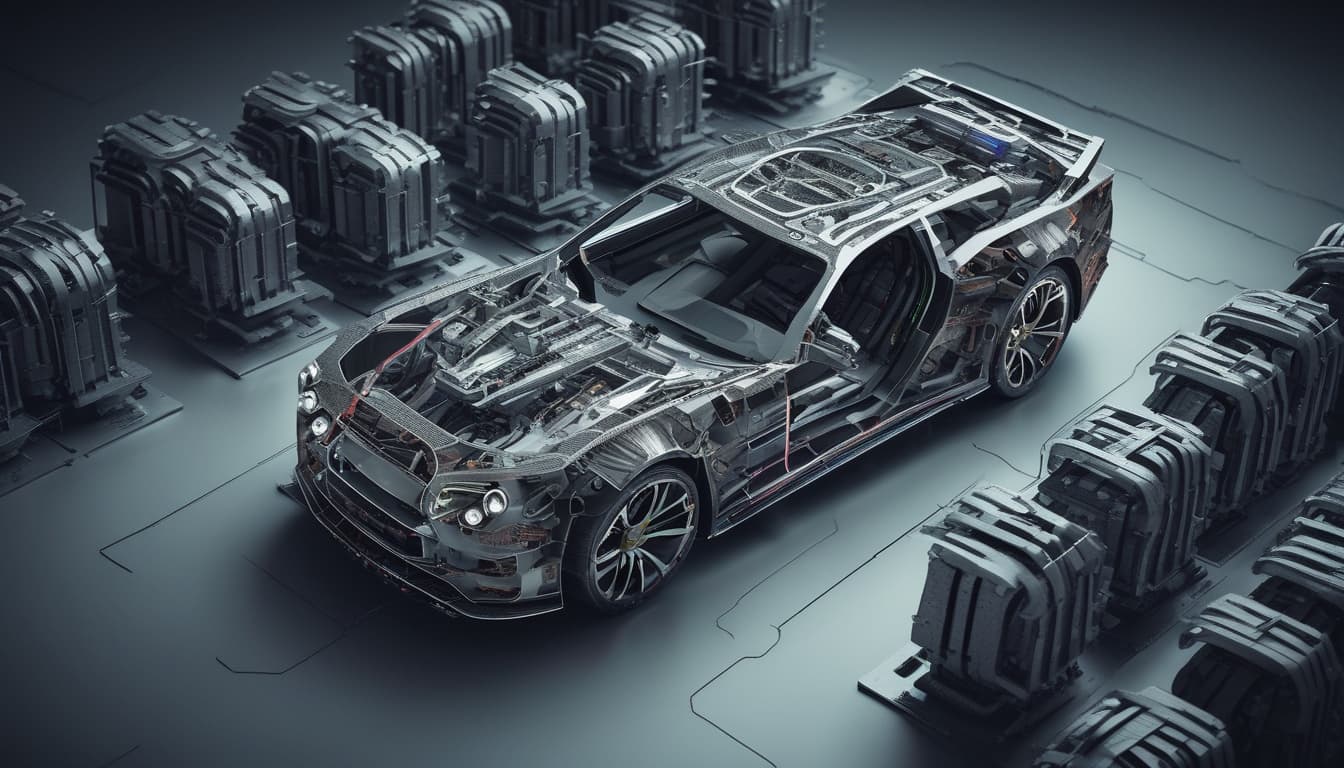
With the rise of AI in vehicles, how might our emotional connection to cars evolve? Will we develop deeper bonds with our AI companions on wheels, or will the increasing automation lead to a decline in the sentimental value we place on automobiles?
1 ответ•0 комментариев
That's a fascinating question! The rise of AI in vehicles could dramatically reshape our relationship with cars. It's not a simple case of either deeper bonds or diminished sentimental value; it's likely to be more nuanced.
Potential for Deeper Bonds
- Personalized Experiences: AI could create highly personalized driving experiences, learning our preferences and adapting to our moods. Imagine a car that anticipates your need for a calming drive after a stressful day or plays your favorite music based on your current emotional state. This level of personalization could foster a stronger sense of connection.
- Proactive Care and Support: AI-powered systems can monitor the vehicle's health and predict potential issues, providing proactive maintenance and support. This could reduce anxiety and increase trust, strengthening the bond between owner and vehicle.
- Companionship: For some, the car might become more of a companion, engaging in conversation or providing assistance and information. This is particularly relevant for people who spend significant time commuting or traveling alone.
Potential for Diminished Sentimental Value
- Depersonalization: If the driving experience becomes too automated, the human element could be diminished, reducing the sense of personal connection and control. The car might feel less like an extension of ourselves and more like a sophisticated appliance.
- Increased Transactionality: With the rise of subscription models and autonomous vehicles, the car may become less of a long-term investment and more of a consumable service. This shift in ownership could lead to a decrease in the sentimental value placed on individual vehicles. Read more about the shift in car ownership with subscription services.
- Reduced Engagement: As cars become more autonomous, the act of driving itself – which for many is a source of enjoyment and personal expression – could become less significant. This could impact the emotional connection to the vehicle.
The Future Landscape
Ultimately, the evolution of our emotional connection to cars will likely depend on how AI is integrated and the choices made by automakers. Will they prioritize personalization and human-centered design, or will they focus solely on automation and efficiency? The answer to your question will depend on this critical design choice. We might see a divergence, with some individuals forming deep bonds with their AI-powered cars while others maintain a more transactional relationship. Further discussion about the impact of AI on the automotive industry as a whole would be beneficial. Check out this article about the AI revolution in automotive for more insights.
Изучите больше по этой теме
Присоединяйтесь к разговору
- Цифровой призрак в вашем авто: Готовы ли вы купить машину с «характером» прошлого владельца?
Обсуждаем будущее рынка подержанных автомобилей в эпоху ИИ. Станет ли цифровая биография и привычки прошлого владельца ценным активом или угрозой приватности? Узнайте, как «личность» машины влияет на её выбор.
- Кинетическая архитектура: Могут ли автомобили будущего объединяться в единые структуры?
Обсуждение будущего транспорта как части кинетической архитектуры. Узнайте, как концепция коллективного физического взаимодействия машин может изменить конструкцию кузова, стандарты безопасности и инфраструктуру.
- Аналоговый эскапизм: Станет ли полная приватность главной роскошью будущего?
Разбираем концепцию автомобилей-крепостей, блокирующих внешние сигналы. Обсуждаем выбор между безопасностью сетевых сервисов и абсолютной приватностью, а также будущее аналогового вождения без цифрового следа.