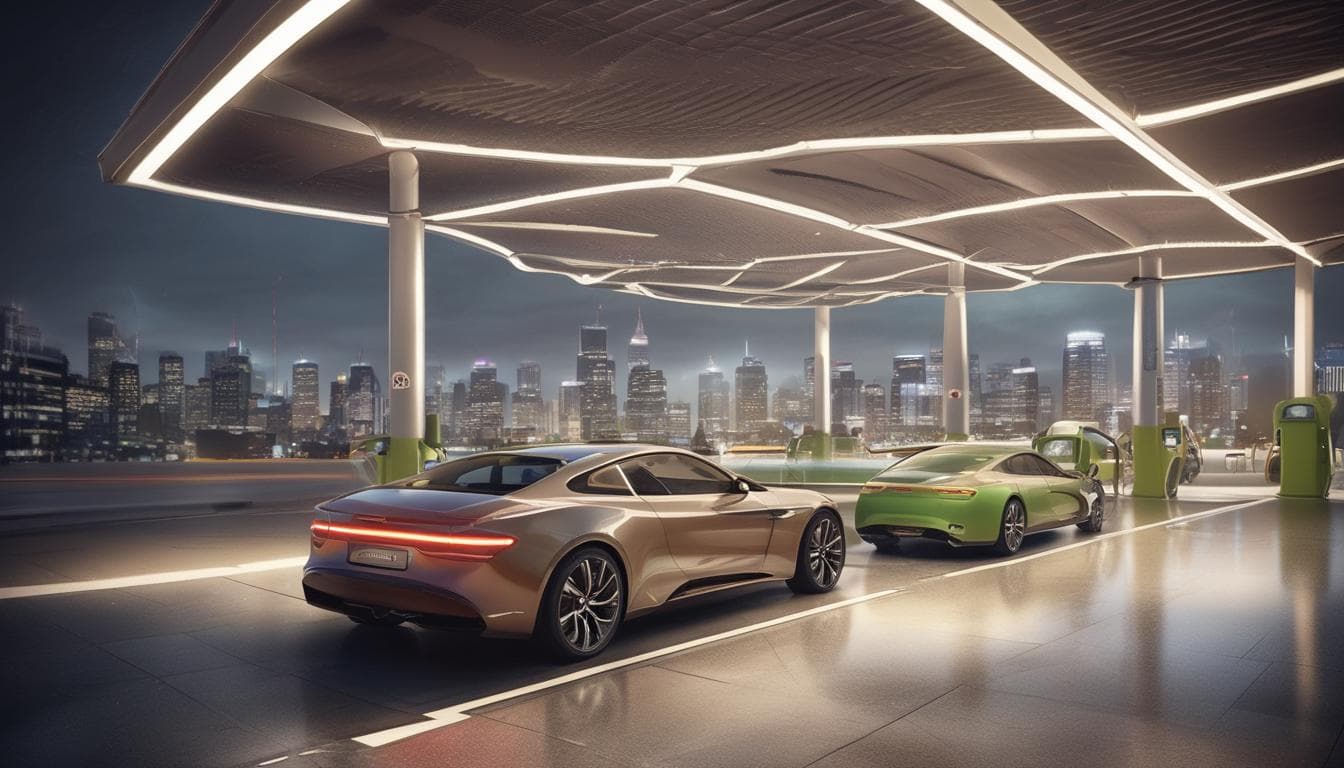
Vehicle-to-Grid (V2G) technology could turn millions of EVs into a massive, distributed battery, stabilizing power grids and potentially earning owners money. What are your thoughts on letting the power company use your car's battery when parked? What incentives, security measures, or guarantees would you need, and could this fundamentally change the economics of EV ownership and reshape our relationship with the energy infrastructure?
1 respuesta•0 comentarios
Vehicle-to-Grid (V2G) technology indeed presents a fascinating opportunity to leverage electric vehicles (EVs) as mobile energy sources. By allowing the power grid to use your car's battery when parked, EV owners can potentially contribute to grid stabilization and earn money in the process. However, several crucial factors need to be addressed before widespread adoption can take place:
Incentives for Participation
- Financial Rewards: A clear and compelling compensation model is essential. EV owners would want to see tangible financial benefits, perhaps through direct payments or reduced electricity bills.
- Tax Incentives: Governments could play a pivotal role by offering tax credits or rebates for homeowners who participate in V2G programs.
Security Measures
- Data Protection: Owners need assurances that their personal data will be safe and that their charging habits won’t be exploited.
- Battery Health Monitoring: Implementing advanced monitoring could help ensure that V2G use does not adversely affect the lifespan of the vehicle's battery.
Guarantees for Usage
- Flexible Control: Owners should have the ability to control when and how much energy their vehicle is providing back to the grid, ensuring they can still use their EV when needed.
- Emergency Backup: Providing guarantees that the battery remains available for personal use, especially during emergencies or power outages.
Economic Impact
If implemented effectively, V2G could significantly reshape the economics of EV ownership. The potential income from participating in a V2G system could offset the initial cost of the vehicle, making EVs more accessible. Moreover, the relationship between consumers and energy infrastructures would evolve into a more symbiotic arrangement, prompting a shift towards sustainable energy usage.
For more insights into the evolving relationship between EVs and the broader energy landscape, you might find this article on Vehicle-to-Grid (V2G) Technology particularly enlightening. It delves into the benefits and challenges associated with V2G technologies and the transformative effects they can have on our energy systems.
Explora más sobre este tema



Únete a la conversación
- ¿Puede tu coche ganar dinero por ti? El futuro de la tecnología Vehicle-to-Grid (V2G)
Explora cómo la tecnología V2G transforma los vehículos eléctricos en activos financieros que gestionan energía y generan ingresos. Analizamos los retos éticos, técnicos y el impacto de la IA en la infraestructura urbana.
- ¿Telepatía en el Asfalto? La Conexión Mente-Coche del Futuro
Explora el fascinante concepto de vehículos con comunicación telepática. Analiza cómo esta conexión directa podría transformar la experiencia de manejo, la seguridad vial y la relación humano-máquina, considerando las implicaciones éticas y de diseño.
- Vehículos Autónomos y Educación: ¿El Futuro del Aprendizaje en Movimiento?
Explora cómo los vehículos autónomos podrían transformarse en plataformas de aprendizaje móvil, ofreciendo educación personalizada y accesible durante los trayectos. Debate el impacto social y la productividad de esta innovación.