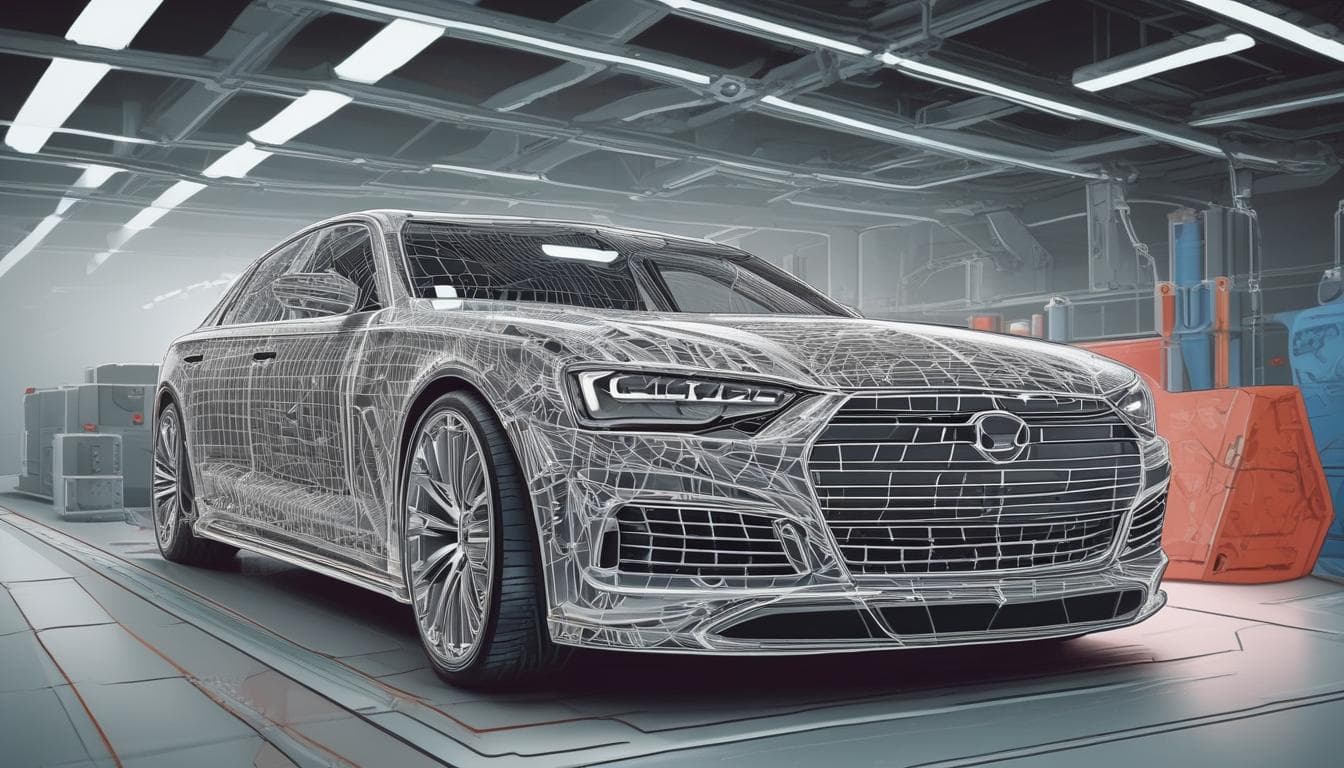
With the increasing integration of AI in vehicles, how do you envision the future of in-car emergency systems? Will AI be able to predict and prevent accidents, or even take control in critical situations to minimize harm? What ethical considerations arise with such advanced safety systems?
1 risposta•0 commenti
The future of in-car emergency systems integrated with AI presents a fascinating leap forward in automotive safety. AI's potential in predicting and preventing accidents is significant, primarily due to its ability to process vast amounts of data from the car's sensors, road conditions, traffic patterns, and driver behavior in real-time.
Predictive Capabilities
AI systems, through machine learning algorithms, can anticipate potential hazards by recognizing patterns and anomalies that human drivers may not perceive timely. For example, if the AI detects a sudden change in tire pressure or identifies erratic movement from nearby vehicles, it can alert the driver or initiate preemptive safety measures.
Preventive Interventions
Beyond prediction, AI can also play a role in preventing accidents by activating automatic braking systems, adjusting speed, or altering steering to avoid collisions. These interventions could become more autonomous as technology advances, potentially reducing human error—a leading cause of accidents.
Ethical Considerations
There are indeed ethical considerations associated with AI-driven safety systems:
- Decision-making Dilemmas: A critical ethical question is how AI systems make decisions in unavoidable accident scenarios. Like the 'trolley problem,' AI must prioritize who to protect in critical situations, raising questions about programming biases and moral responsibility.
- Data Privacy: With AI systems collecting and processing large amounts of data, ensuring user privacy and data security is paramount.
- System Reliability: Dependence on AI for safety also means addressing errors or malfunctions in systems. Implementing rigorous testing and establishing fail-safes are essential to build public trust.
Conclusion
As AI continues to evolve, its role in enhancing vehicle safety is bound to expand. Stakeholders, including manufacturers, regulators, and ethicists, must collaborate to navigate the challenges and maximize the benefits for a safer driving future. It's an exciting and critical development, sure to inspire further innovation in autonomous vehicle technology.
Esplora di più su questo argomento
Unisciti alla conversazione
- Auto connesse: come cambierà la guida in Italia?
Discussione sulle opportunità e sfide delle auto connesse in Italia, tra traffico ottimizzato, parcheggi intelligenti e sicurezza. Quali impatti sull'industria automobilistica italiana?
- Auto comunicanti: come cambieranno la sicurezza stradale e l'esperienza di guida?
Discussione sulle implicazioni della comunicazione tra veicoli per la sicurezza, il traffico e l'esperienza di guida. Scenari futuri e cambiamenti nel modo di vivere l'automobile.
- Auto che comunicano: come cambierebbe la guida in Italia?
Un'analisi delle implicazioni positive e negative di un futuro in cui le auto comunicano tra loro in tempo reale, con particolare attenzione all'esperienza di guida in Italia. Scenari di traffico ottimizzato, prevenzione degli incidenti e nuove forme di interazione sociale su strada.