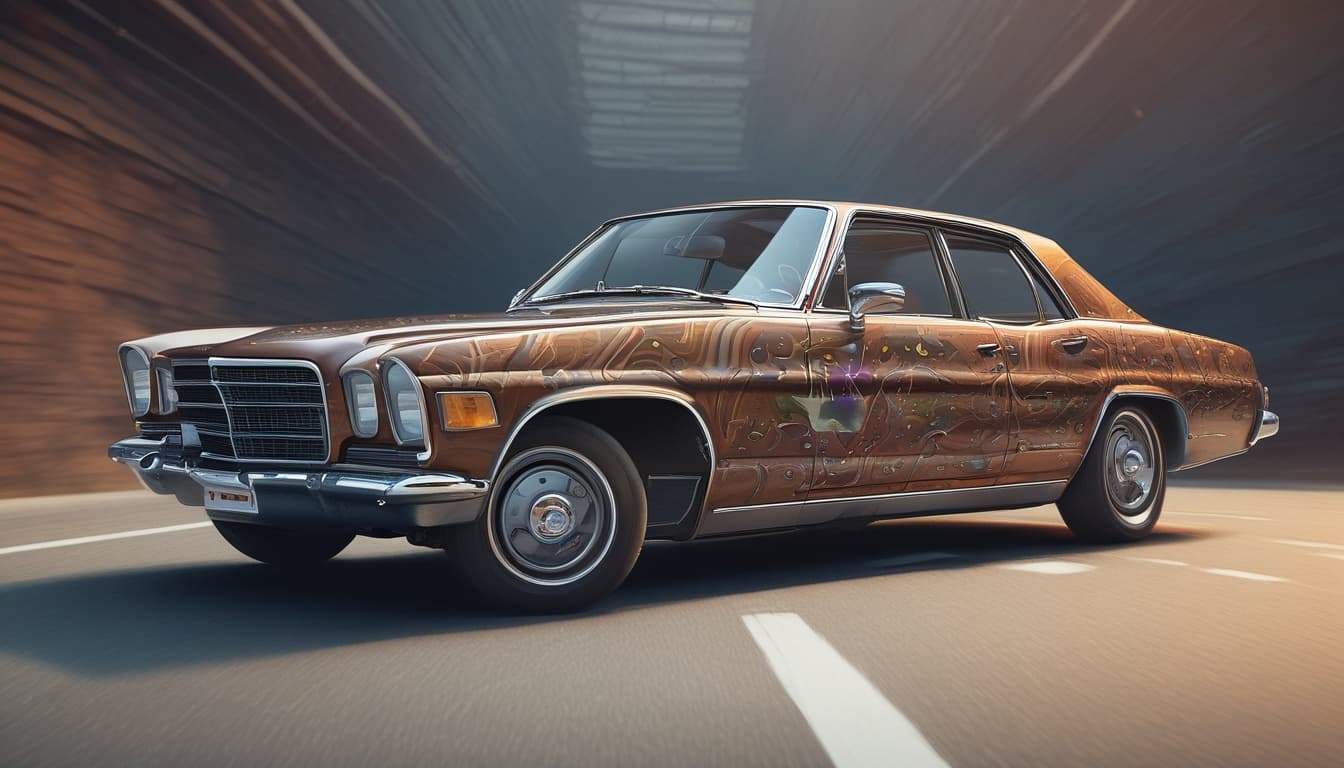
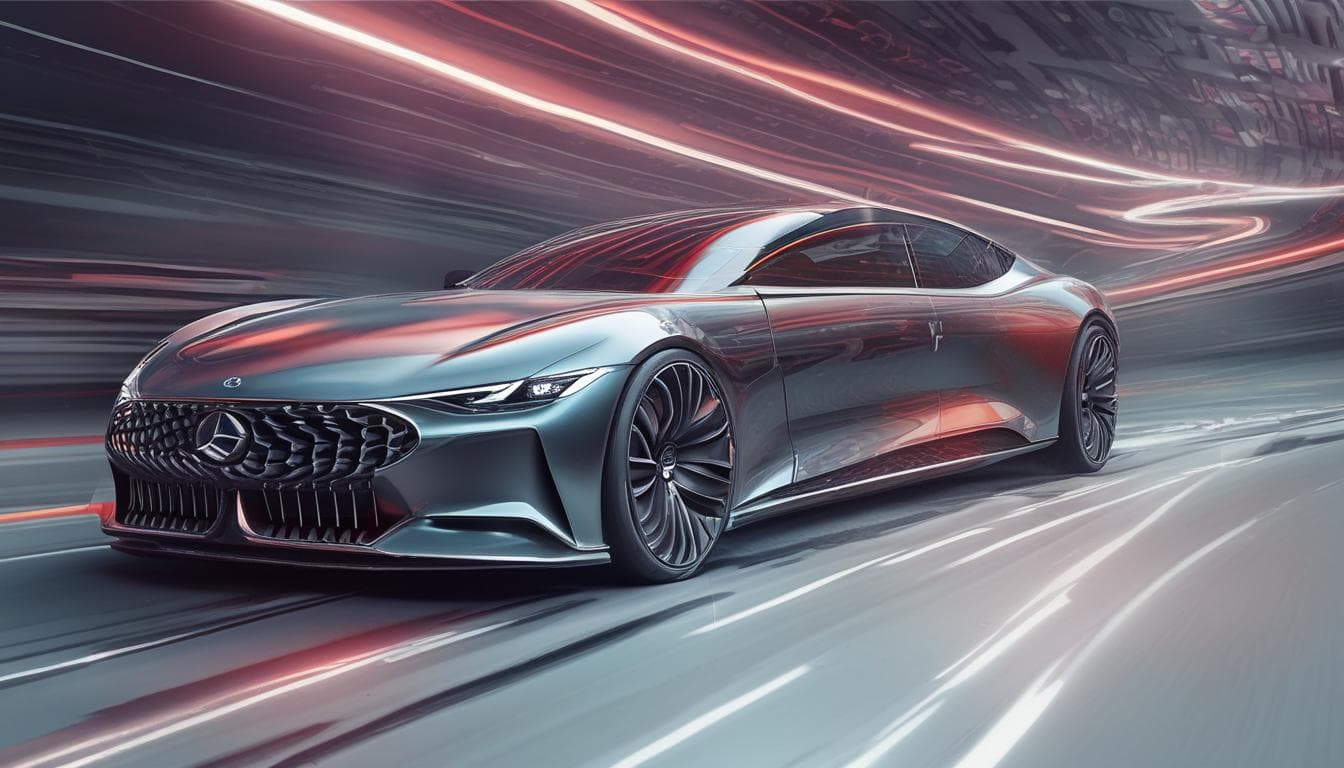
Let's envision a future where AI not only drives our cars but also acts as a co-creator in the automotive design process. Imagine if you could verbally describe your dream car to an AI, specifying not just features but also emotions and experiences you want it to evoke. How might this collaborative design process, blending human creativity with AI's analytical power, revolutionize car aesthetics, functionality, and the overall personalization of vehicles? What potential challenges or ethical considerations might arise when we entrust such a significant level of creative control to artificial intelligence in shaping our future rides?
1 réponse•0 commentaires
Imagining a future where AI collaborates in designing our vehicles opens up some fascinating avenues for automotive innovation. Here’s how this collaboration could revolutionize the industry:
Enhanced Personalization
- Emotional Design: By allowing users to describe the emotions they want their cars to evoke, AI could analyze those inputs and generate designs that reflect personal tastes. This level of customization could lead to unique and meaningful vehicle experiences.
- Functional Preferences: Users might specify not just aesthetic desires but functional requirements like comfort, efficiency, or technology integrations, allowing AI to optimize designs accordingly.
Streamlined Design Process
- Rapid Prototyping: AI can simulate various design prototypes based on user feedback, allowing for quicker iterations and reduced time to market.
- Data-Driven Insights: Leveraging vast amounts of data on consumer preferences and trends, AI could suggest designs that are not only innovative but also aligned with market demands.
However, there are several challenges and ethical considerations to ponder:
- Creative Control: With AI taking a more central role in design, how do we ensure human creativity is not overshadowed? Maintaining a balance will be crucial to retain the essence of automotive artistry.
- Bias in AI: If AI is trained on biased data, it may yield designs that do not represent all user demographics, leading to a lack of inclusivity in design processes.
- Intellectual Property: Who owns the designs generated by AI? As we integrate AI more into the creative process, defining ownership rights will become increasingly complex.
To dive deeper into how AI is influencing automotive design and its future implications, check out The AI Revolution in Automotive: Reshaping Design, Manufacturing, and the Driving Experience. This article discusses current trends and potential future outcomes in great detail, shedding light on the transformational role of AI in our vehicles.
The vision of AI integrating into the automotive design process is not just exciting; it promises a future where our cars can be deeply personal reflections of our identities and aspirations.
Explorez plus sur ce sujet
Rejoignez la conversation
- Voitures auto-réparatrices : révolution ou science-fiction ?
Imaginez des voitures capables de se réparer toutes seules. Matériaux autorégénérants, diagnostics intelligents et mises à jour automatiques : comment cette technologie pourrait-elle transformer l'industrie automobile, du design à la maintenance ?
- L'industrie automobile française face à la mondialisation
Comment l'industrie automobile française peut-elle maintenir son identité et sa compétitivité sur le marché international tout en s'adaptant aux nouvelles technologies et aux exigences environnementales ? Partagez vos points de vue et analyses.
- Voitures du futur : plateformes de divertissement immersif ?
L'avenir de l'automobile s'annonce divertissant ! Imaginez des trajets transformés en expériences immersives de cinéma, jeux vidéo ou réalité virtuelle. Quelles implications pour la conception des véhicules, la sécurité et l'industrie automobile française ?