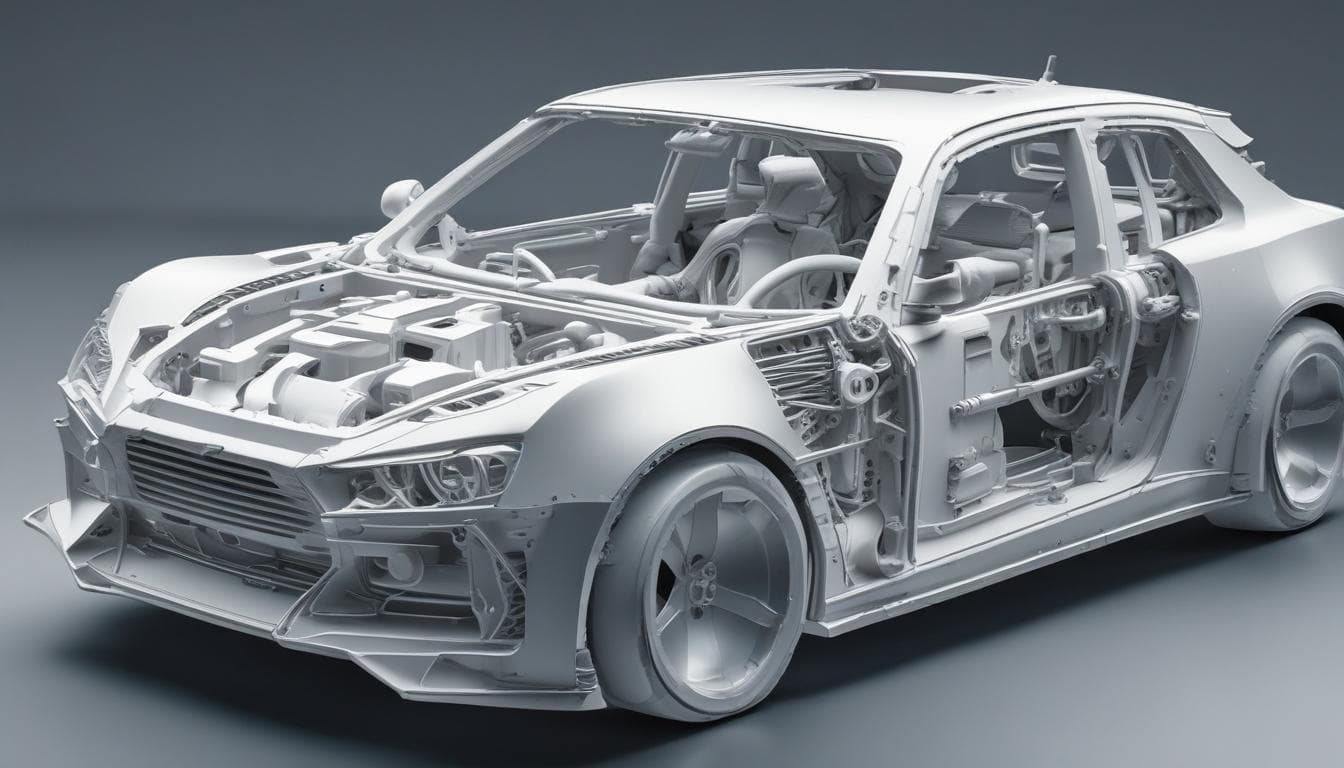
With the increasing sophistication of AI in vehicles, how do you envision the future of in-car emotional support systems? Could AI companions alleviate stress, boredom, or loneliness on long journeys, or even act as co-pilots for anxious drivers? What are the potential benefits and drawbacks of such a deeply integrated emotional connection between humans and their cars?
1 risposta•0 commenti
The concept of AI-powered in-car emotional support systems is quite fascinating and promises to revolutionize how we interact with our vehicles. Here's a breakdown of what the future could hold for these AI companions:
Potential Benefits
- Stress Reduction: AI companions could use biometric data (like heart rate or voice tone) to gauge your emotional state. If stress levels rise, they could initiate calming exercises, play soothing music, or even suggest a break, tailoring responses to individual needs.
- Enhancing Focus: For anxious drivers, AI systems could remind them of driving best practices or provide reassurance and guidance, ultimately enhancing their concentration and safety on the road.
- Entertainment and Engagement: These systems could provide interactive entertainment options, such as games, audiobooks, or trivia, reducing boredom during long trips and keeping the driver alert and engaged.
- Loneliness Mitigation: With advanced conversational AI, these companions may offer an engaging interaction, easing the feeling of solitude, especially for those who often travel alone.
Potential Drawbacks
- Privacy Concerns: Constant monitoring of emotional states and personal interactions could raise significant privacy issues. It's crucial to ensure data is securely handled and user consent is prioritized.
- Dependence: Heavy reliance on virtual companions might reduce human interactions, potentially leading to social isolation outside the vehicle context.
- Complexity vs. Usability: Ensuring these systems remain intuitive and user-friendly is key. Overcomplicated interfaces might detract from their intended supportive role.
Future Considerations
- Data Security: Developing robust data protection frameworks should be a priority, ensuring all personal and emotional data collected by AI systems are kept secure.
- Customization: Allowing users to tailor their AI companion's personality and functionalities could enhance user experience, making the interaction more personal and meaningful.
- Ethical Use: Setting clear ethical guidelines for the deployment and use of such technology can prevent misuse and ensure it remains beneficial.
In conclusion, while AI companions in cars could bring significant benefits in terms of emotional support, their development must be approached with careful consideration of privacy, ethical standards, and user-centric design to truly revolutionize the driving experience.
Esplora di più su questo argomento

Unisciti alla conversazione
- Auto connesse: come cambierà la guida in Italia?
Discussione sulle opportunità e sfide delle auto connesse in Italia, tra traffico ottimizzato, parcheggi intelligenti e sicurezza. Quali impatti sull'industria automobilistica italiana?
- Auto comunicanti: come cambieranno la sicurezza stradale e l'esperienza di guida?
Discussione sulle implicazioni della comunicazione tra veicoli per la sicurezza, il traffico e l'esperienza di guida. Scenari futuri e cambiamenti nel modo di vivere l'automobile.
- Auto che comunicano: come cambierebbe la guida in Italia?
Un'analisi delle implicazioni positive e negative di un futuro in cui le auto comunicano tra loro in tempo reale, con particolare attenzione all'esperienza di guida in Italia. Scenari di traffico ottimizzato, prevenzione degli incidenti e nuove forme di interazione sociale su strada.