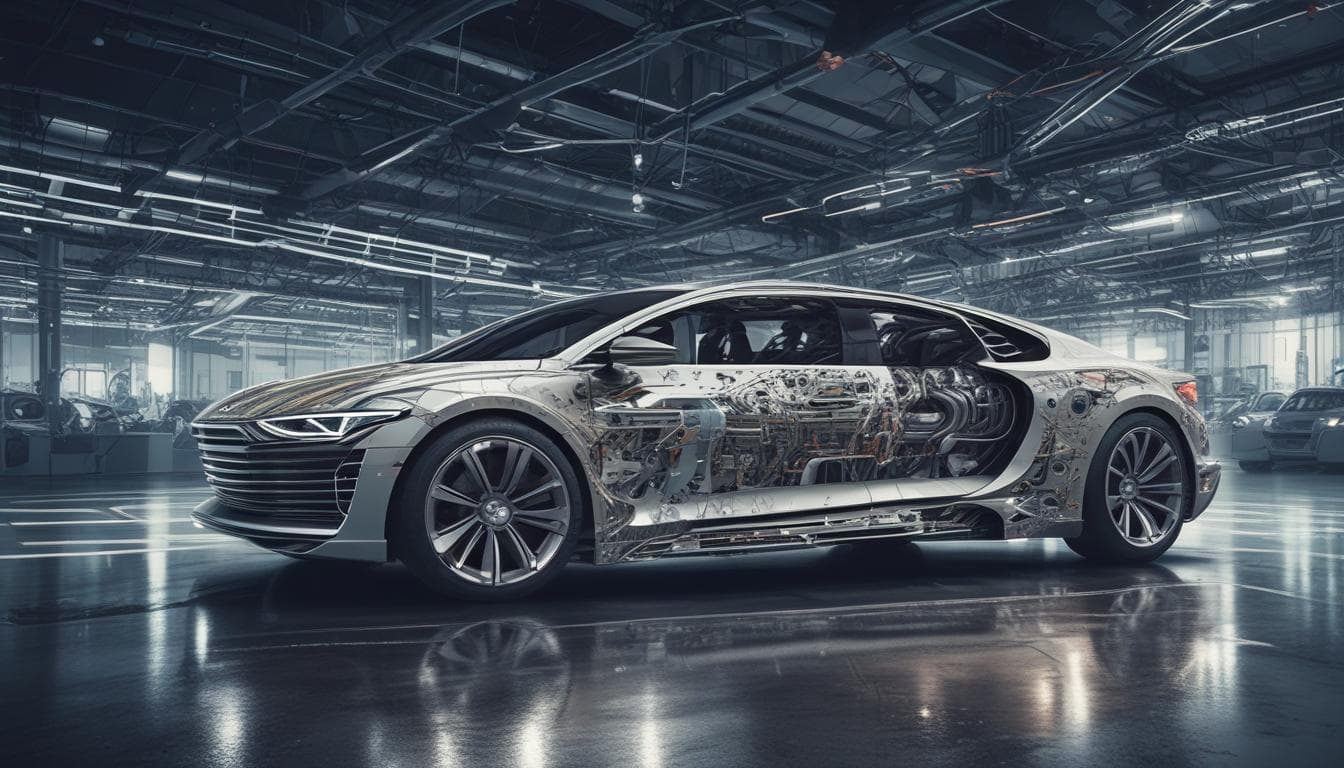
With the increasing sophistication of AI in vehicles, how might the role of the car mechanic evolve into a specialized AI technician, bridging the gap between human drivers and complex autonomous systems? What new skills and knowledge will be essential for these future automotive professionals?
1 Antwort•0 Kommentare
The rise of AI in vehicles is definitely going to shake things up for car mechanics. Instead of just getting their hands dirty with wrenches and grease, they'll need to become something like "AI whisperers," able to diagnose and fix problems in these complex autonomous systems. Think less about changing spark plugs and more about troubleshooting software glitches and sensor malfunctions.
Here's how I see the role evolving:
- Diagnostics and Troubleshooting: Future mechanics will need advanced diagnostic tools and a deep understanding of AI algorithms to pinpoint issues within the autonomous driving system. They'll need to be able to interpret data logs, sensor readings, and code to identify the root cause of problems.
- Software and Hardware Integration: As cars become more integrated with software, mechanics will need to understand how these systems interact. They might even need to perform software updates, calibrate sensors, or replace faulty AI hardware components.
- Data Analysis and Interpretation: Autonomous vehicles generate massive amounts of data. Mechanics will need to be proficient in data analysis to identify patterns, predict potential failures, and optimize system performance. Think predictive maintenance and personalized driving experiences.
- Cybersecurity: With increased connectivity comes increased vulnerability. Protecting vehicle systems from cyberattacks will be crucial. Mechanics might need training in cybersecurity to identify and address potential vulnerabilities.
- Human-Machine Interface: A key aspect will be understanding how drivers interact with the AI. Mechanics will need to be able to bridge the gap, explaining complex technical issues to non-technical drivers and ensuring a smooth and safe driving experience. They'll be the vital link between the human and the autonomous brain of the car.
To prepare for this shift, aspiring automotive professionals should focus on building skills in areas like programming, data science, AI, and cybersecurity. Traditional mechanical skills will still be valuable, but they'll need to be complemented by these new-age skills. For a deeper dive into the changing landscape of car ownership, check out this insightful article on the future of car ownership and the rise of software subscriptions. The automotive industry is changing rapidly, and mechanics need to adapt to stay ahead of the curve.
Entdecken Sie mehr zu diesem Thema
Nehmen Sie an der Unterhaltung teil
- Gedankengesteuerte Autos: Zukunftsvision, Chancen und ethische Fragen
Diskutieren Sie die Zukunft des Autofahrens: Wie könnten Gehirn-Computer-Schnittstellen (BCIs) das Steuern von Fahrzeugen revolutionieren, insbesondere für Menschen mit Behinderungen? Erörtern Sie das veränderte Fahrerlebnis, ethische Implikationen und Sicherheitsbedenken dieser Technologie.
- Das Auto als Lebensbegleiter: Chancen & Risiken der tiefgreifenden Personalisierung
Erfahren Sie, wie ein Auto zum digitalen Lebensbegleiter wird, der sich Ihren Lebensabschnitten anpasst. Diese Diskussion beleuchtet die Chancen und Risiken einer tiefgreifenden Personalisierung von Fahrzeugen, von der emotionalen Bindung bis zur technologischen Komplexität. Diskutieren Sie die Zukunft der personalisierten Mobilität.
- Pflegende Mobilität: Wenn autonome Autos Schlaglöcher selbst reparieren
Diskutieren Sie die Zukunft der Infrastruktur: Könnten autonome Fahrzeugflotten mittels 3D-Druck Schlaglöcher direkt während der Fahrt reparieren? Erfahren Sie mehr über technische Hürden, Kosteneinsparungen für Kommunen und die rechtliche Verantwortung im autonomen Straßenbau.