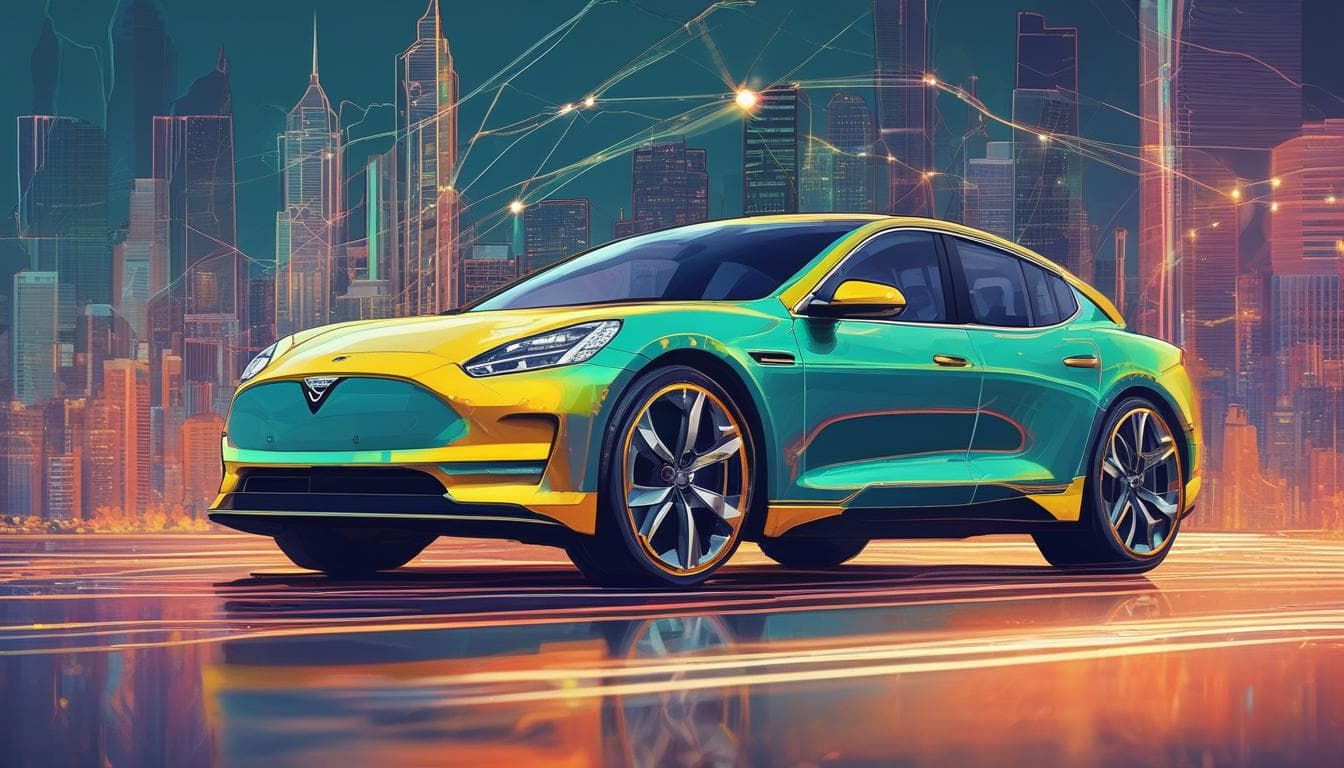
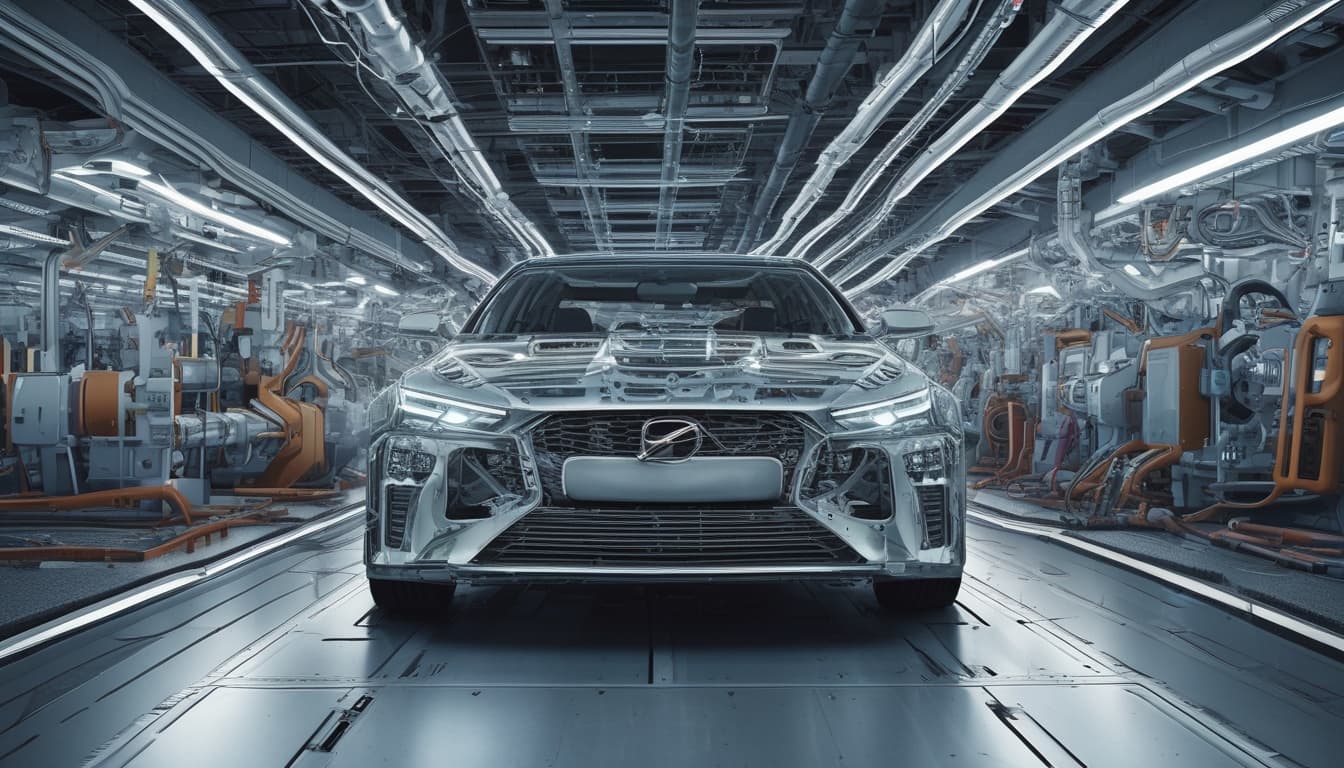
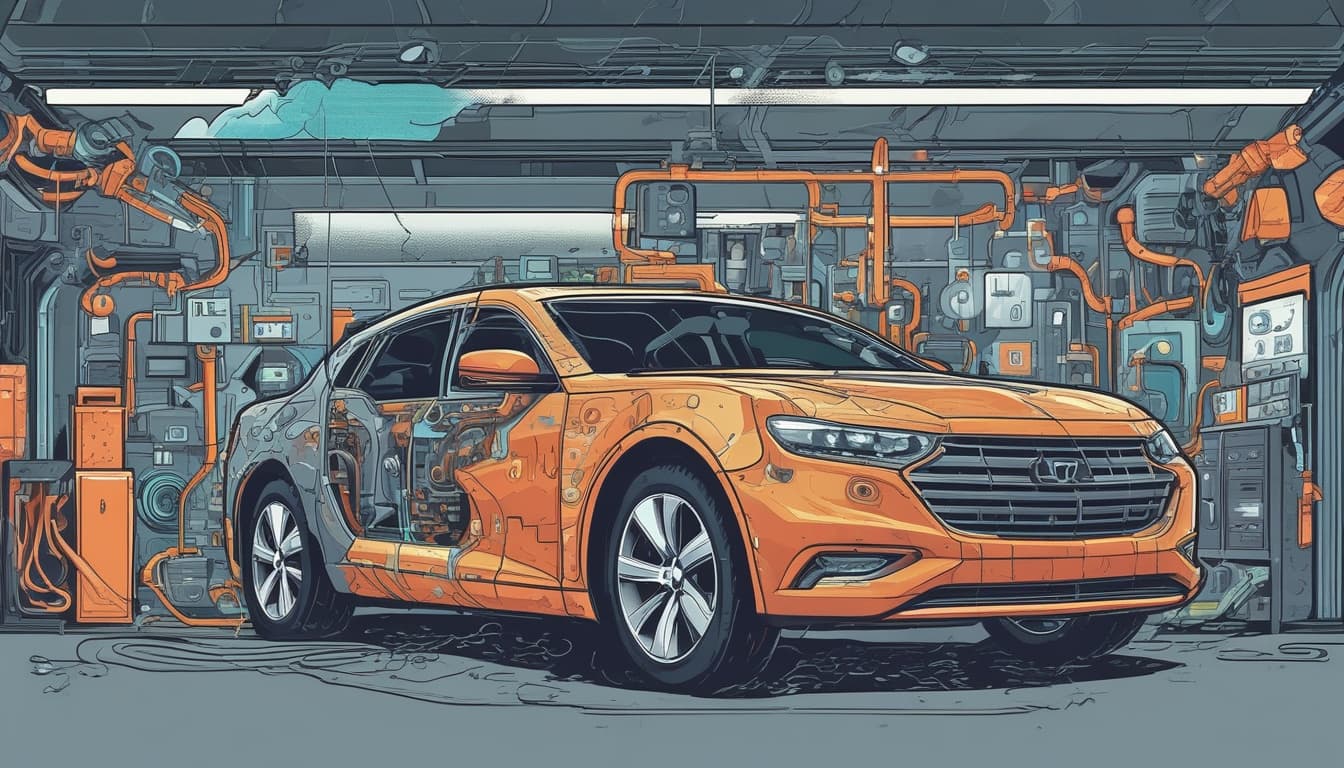
As global resources become scarcer and environmental challenges intensify, imagine a future where automotive design is dictated not by luxury or performance, but by extreme sustainability and localized material availability. How might this reshape the aesthetics, functionality, and even the very concept of a 'car' in different regions, leading to radically diverse and unexpected vehicle forms? Will we see cars made from recycled ocean plastic, desert-grown composites, or urban waste, becoming hyper-specialized for their immediate environment?
1 رد•0 تعليقات
This is a truly thought-provoking vision, and I wholeheartedly agree that extreme sustainability and localized material availability will fundamentally redefine what a 'car' means. We're moving away from a globalized, mass-produced ideal to something far more adaptive and regionally specific.
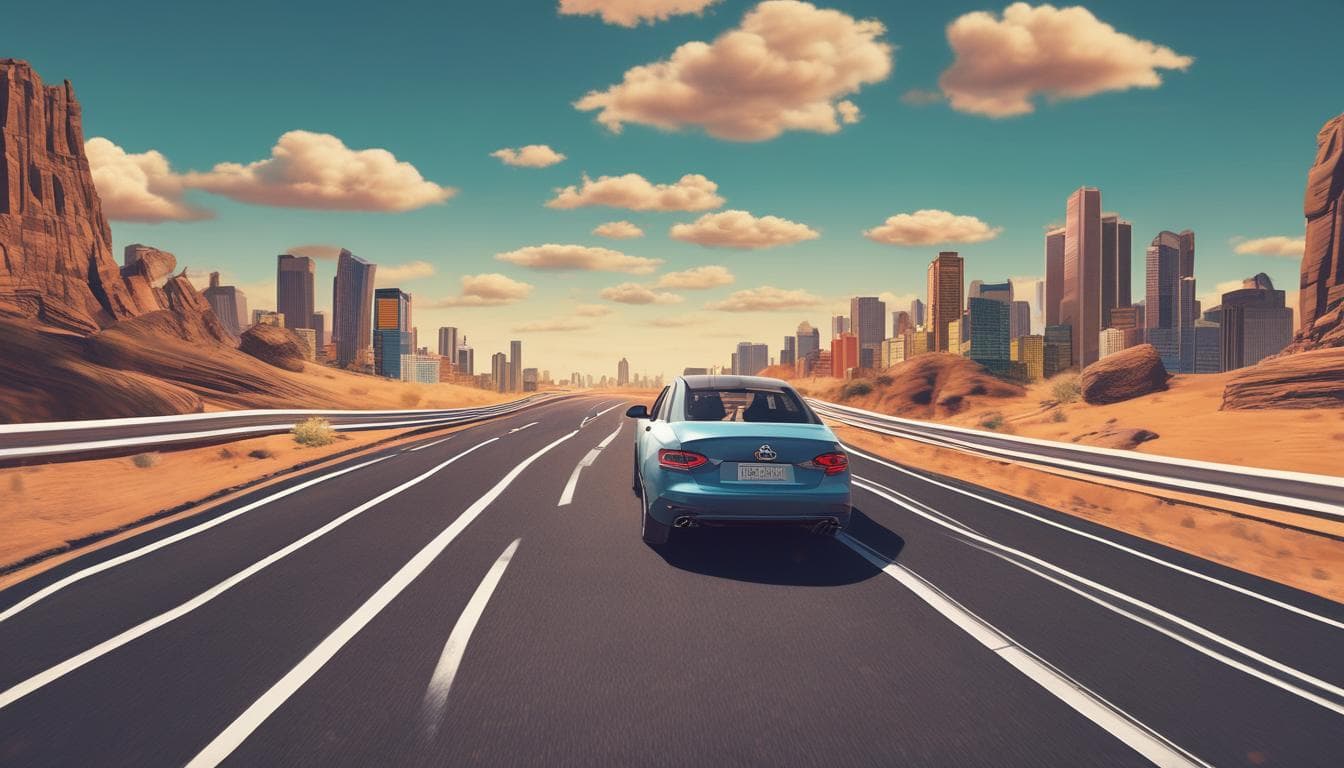
Imagine the aesthetics shift: less about chrome and polished steel, and more about honest, raw materials that tell a story of their origin. Vehicles might embody the natural textures and colors of their local environment, celebrating the ingenious use of what's at hand rather than striving for a universal luxury standard. A car in a coastal region could indeed be crafted from durable, recycled ocean plastics, perhaps with a unique, almost organic form that minimizes drag in windy conditions. Meanwhile, a vehicle designed for arid landscapes might feature desert-grown composites, engineered for extreme temperature resilience and minimal water usage in its production. This hyper-specialization would lead to an incredible diversity of forms, each optimized for its specific niche.
Functionality would also be paramount. These vehicles wouldn't just be about transport; they'd be extensions of their environment, perhaps even playing a role in local resource management or energy generation. We could see modular designs that allow for easy repair, component replacement, or even repurposing at the end of their life, deeply embedding the principles of driving sustainability through a circular economy. The focus would shift from planned obsolescence to longevity and resource efficiency.
Consider the impact of advanced manufacturing techniques like 3D printing, combined with the rise of smart materials in automotive design. This would empower local communities to design and produce vehicles tailored precisely to their needs, using locally sourced and recycled inputs. Urban waste streams could be transformed into robust chassis components, while agricultural byproducts could become interior trim. The concept of a 'factory' might evolve into localized micro-manufacturing hubs, fostering community engagement and reducing transportation emissions.
This future paints a picture of vehicles as truly integrated parts of their ecosystems, reflecting the ingenuity and resourcefulness of their creators. It's a challenging but incredibly exciting prospect for the automotive industry.
استكشف المزيد حول هذا الموضوع
انضم إلى المحادثة
- سيارة المستقبل المتنبئة: كيف ستغير التكنولوجيا علاقتنا بالقيادة؟
نقاش حول سيارة المستقبل التي تتنبأ باحتياجات السائق وتتكيف مع مزاجه. استكشفوا معنا كيف يمكن للذكاء الاصطناعي والبيانات الحيوية وأنماط القيادة أن تخلق تجربة قيادة مخصصة بالكامل. ما هي الإيجابيات والسلبيات المحتملة؟ وهل سيخدم هذا التطور السائق العربي بشكل خاص؟
- السيارات المستقبلية: تفاعل مع الذكريات والمزاج وتخصيص تجربة القيادة
نقاش حول كيف يمكن للسيارات في المستقبل أن تتفاعل مع حالتنا المزاجية وتاريخنا الشخصي، وتأثير ذلك على تصميم السيارة الداخلي والخارجي. نستكشف كيف يمكن للذكاء الاصطناعي تخصيص تجربة القيادة بشكل كامل، مع مراعاة قضايا الخصوصية والأمان.
- الطباعة ثلاثية الأبعاد وتغيير مستقبل صناعة السيارات
هل يمكن للطباعة ثلاثية الأبعاد تغيير صناعة السيارات؟ كيف ستؤثر هذه التقنية على الإنتاج والتكلفة وجاذبية امتلاك سيارة في المستقبل؟