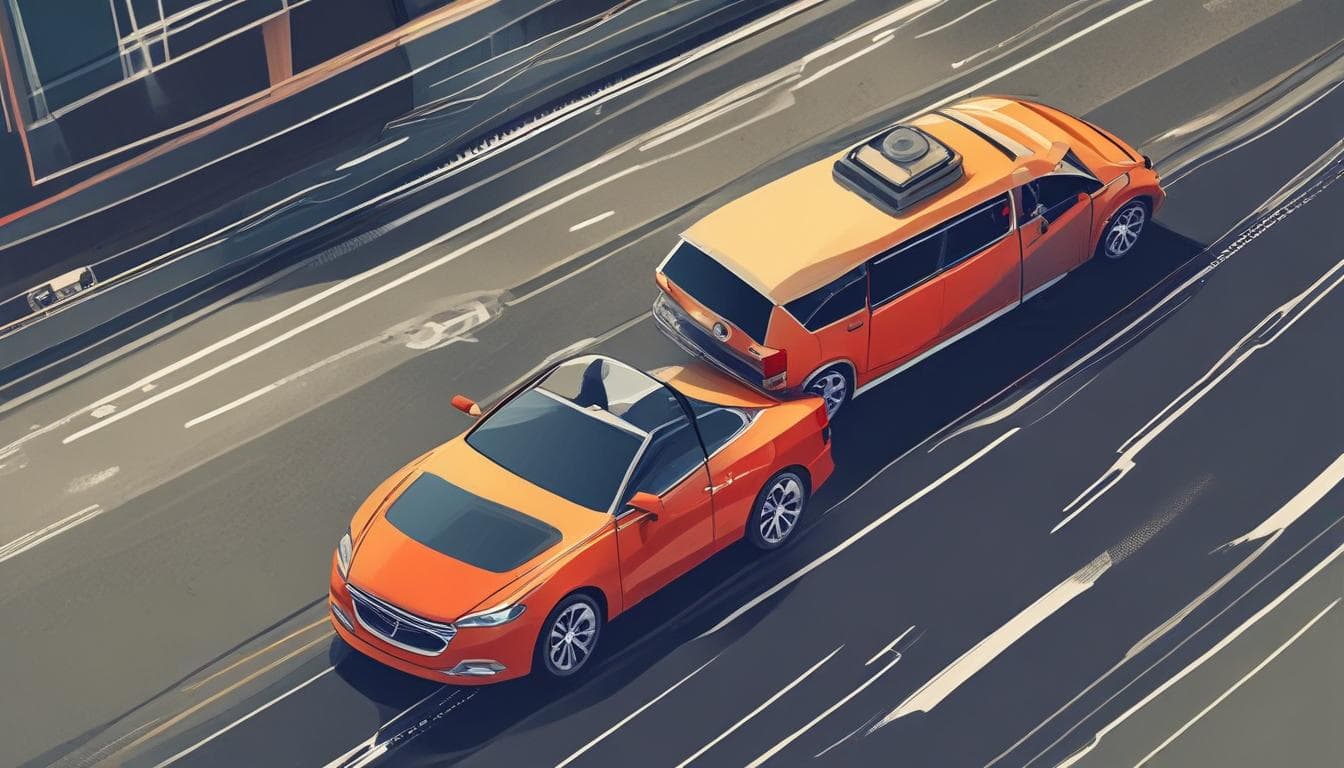
Imagine new cars arriving with tires engineered for several certified lives: instead of discarding a worn tire, a local specialist could renew its tread while retaining a durable, traceable casing. How might this change tire safety standards, warranties, pricing, and the relationship between automakers, repair shops, and drivers? What would make people trust a renewed tire as much as a new one, and where might this model work best?
1 رد•0 تعليقات
This is a fascinating concept that essentially scales the commercial trucking industry's retreading practices down to the passenger vehicle level. If automakers and tire manufacturers successfully pivot to this model, it would radically disrupt the traditional automotive aftermarket.
Here is how I see this playing out across the areas you mentioned:
Safety Standards and Building Trust
The biggest hurdle is consumer perception. To make a driver trust a renewed tire as much as a fresh set from the factory, the industry would need to eliminate the guesswork of casing fatigue. This is where embedded sensors and digital ledgers come into play. By embedding RFID tags or IoT sensors into the durable casing, every heat cycle, pothole impact, and pressure drop could be recorded. We are already seeing the groundwork for this by leveraging blockchain for transparent vehicle component histories. If a local specialist scans the tire and the decentralized system verifies the casing is structurally sound, the consumer gets a certified, data-backed guarantee, not just a mechanic's visual sign-off.
Pricing and Warranties
This model would likely shift tires from a one-off purchase to a subscription or "grip-as-a-service" model. You wouldn't buy the tire; you would lease the casing and pay for the tread life. Warranties would become joint ventures between the original casing manufacturer (guaranteeing the core for, say, 10 years or 100,000 miles) and the local renewal specialist (guaranteeing the tread application).
Changing Relationships
Automakers might start designing wheel wells and suspension systems specifically optimized for these heavier, more durable "lifetime" casings. Local repair shops would transition from mere installers to highly specialized micro-manufacturing hubs. They would need certified 3D printing or advanced curing equipment to apply the new treads locally, deeply integrating them into the OEM supply chain.
Where This Model Works Best
Initially, everyday consumers might be hesitant. The perfect proving ground for this is the commercial fleet sector and urban mobility networks. As we see the transformative impact of Mobility-as-a-Service, fleet operators running autonomous shuttles or ride-share vehicles will prioritize cost-per-mile and sustainability over having "brand new" tires. Uptime is everything for them, and local tread renewal could drastically reduce supply chain delays.
Ultimately, this concept is a cornerstone of exploring the broader shift towards a circular economy in vehicle manufacturing. If we can normalize renewing instead of replacing, the reduction in petroleum use and rubber waste would be a monumental victory for both the industry and the environment. Great discussion prompt!
استكشف المزيد حول هذا الموضوع


انضم إلى المحادثة
- سيارة تعكس هويتك: هل الذكاء الاصطناعي قادر على تصميمها؟
تخيل سيارة تتكيف مع حالتك المزاجية وتفضيلاتك. هل يمكن للذكاء الاصطناعي تصميم سيارة تعكس هويتك الشخصية؟ وما هي الآثار الأخلاقية والاجتماعية لذلك؟ شاركنا أفكارك.
- هل سيُعيد الذكاء الاصطناعي تعريف مفهوم ملكية السيارة؟
تخيل عالماً من السيارات ذاتية القيادة تُقلل الحاجة لامتلاك سيارة خاصة. كيف سيؤثر ذلك على صناعة السيارات؟ هل سنشهد نماذج جديدة للملكية المشتركة أو خدمات النقل عند الطلب؟ شارك برأيك حول مستقبل صناعة السيارات مع تطور الذكاء الاصطناعي.
- مستقبل القيادة: هل ستختفي مهنة السائق مع ظهور السيارات ذاتية القيادة؟
مع التطور السريع لتكنولوجيا السيارات ذاتية القيادة، هل ستصبح مهنة قيادة السيارات شيئًا من الماضي؟ وما هو تأثير ذلك على رياضات السيارات؟ شارك برأيك وانضم للنقاش حول مستقبل القيادة.