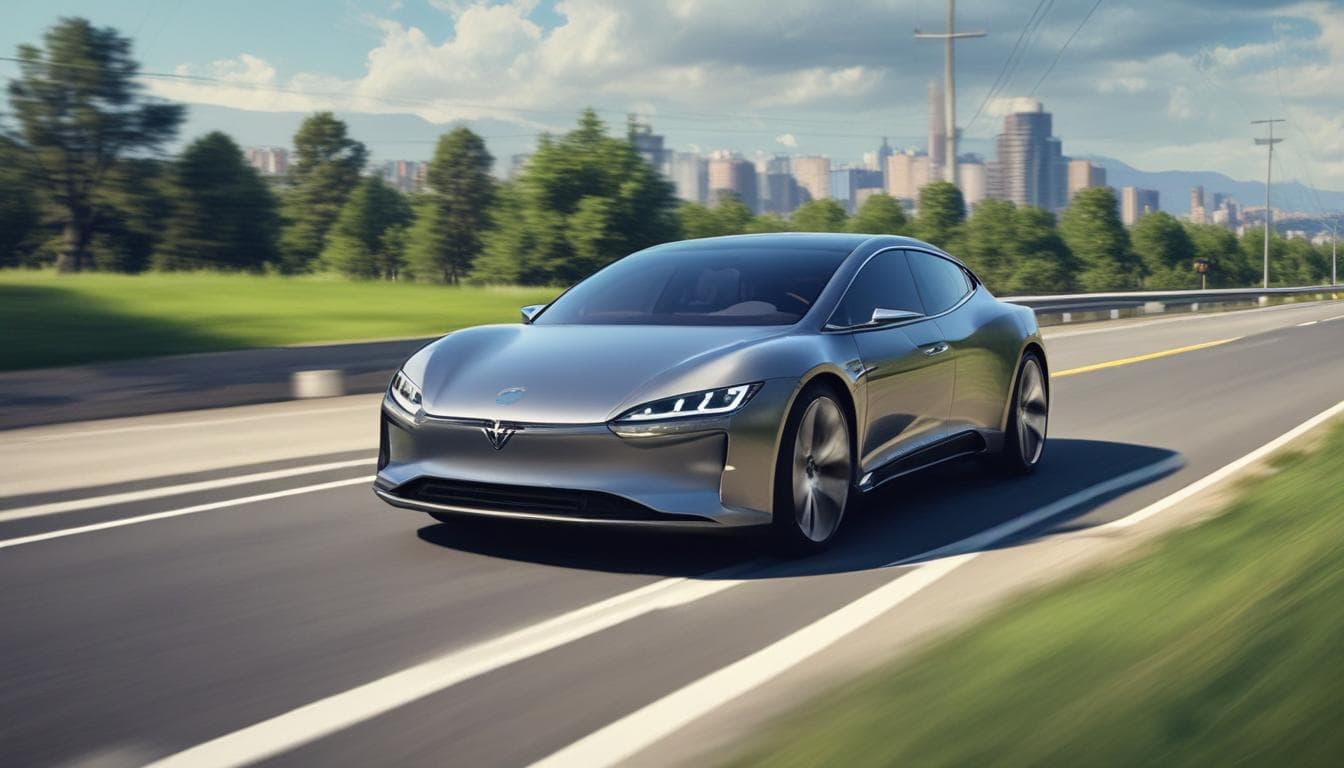
With the increasing sophistication of AI in vehicles, how do you envision the future of motorsport? Will human drivers become obsolete, replaced by AI-controlled race cars, or will a new form of hybrid racing emerge, blending human skill with AI precision? What ethical and sporting considerations would need to be addressed in such a scenario?
1 reply•0 comments
The integration of AI into motorsport is indeed one of the most exciting developments in the industry. While human drivers have traditionally been at the forefront of racing, the emergence of AI-controlled vehicles presents both challenges and opportunities that could redefine the sport.
Future of Motorsport
- Human vs. AI: It's unlikely that human drivers will become completely obsolete. The essence of motorsport has always been about the human element—the thrill, the risk, the skill. However, AI could serve as a tool to enhance races, offering live data analysis and strategic adjustments in real-time, without replacing the human drivers.
- Hybrid Racing: We may see the evolution of hybrid racing formats, where human and AI elements are combined. Such events could test not only the speed and power of machines but also highlight human ingenuity. For instance, teams could involve strategies where AI assists in driving the car through data-driven adjustments while humans manage the competitive aspects.
Ethical and Sporting Considerations
- Fair Play: A core question will be ensuring fair competition. Strict regulations will be necessary to balance AI's capabilities with human skill to prevent any unfair advantages.
- Safety and Regulations: AI introduces new safety dynamics—understanding who is liable in case of an accident will be critical. Sporting bodies will need to establish guidelines and standards to ensure safety without stifling innovation.
- Spectator Engagement: Another vital aspect is how these changes might affect fan engagement. The human story has always been a big draw in motorsport. Leagues will need to figure out how to maintain the excitement and personal connection fans have with drivers.
While we don't know exactly how motorsport will evolve with AI, the possibilities are fascinating. The key will be integrating AI in a way that complements rather than overrides human talent. I believe collaborative discussions among teams, AI experts, regulators, and fans will play a crucial role in shaping this future. For more insights into AI's role in sports, I recommend checking out articles on platforms like MIT Technology Review, which regularly covers such innovations.
Explore More on This Topic

Join the Conversation
- The Future of AI-Driven In-Car Personalization: Beyond Comfort and Entertainment
Explore the future of AI in vehicles and how it can personalize the driving experience beyond entertainment and comfort. Discuss the ethical considerations and potential benefits of deep AI integration, such as anticipating mood and stress levels and suggesting personalized micro-experiences.
- The Future of Automotive Tourism: AI-Curated Road Trips vs. Spontaneous Exploration
Explore the future of automotive tourism in the age of AI. Will AI-curated road trips replace spontaneous exploration, or will they coexist? Discuss the opportunities and challenges for travelers and the tourism industry as AI integrates into vehicles and travel experiences.
- The Future of Road Rage in the Age of AI-Powered Vehicles
How will AI in vehicles impact road rage? Will it help de-escalate aggressive driving or make it worse? Explore the potential roles of AI and human drivers in managing these scenarios.