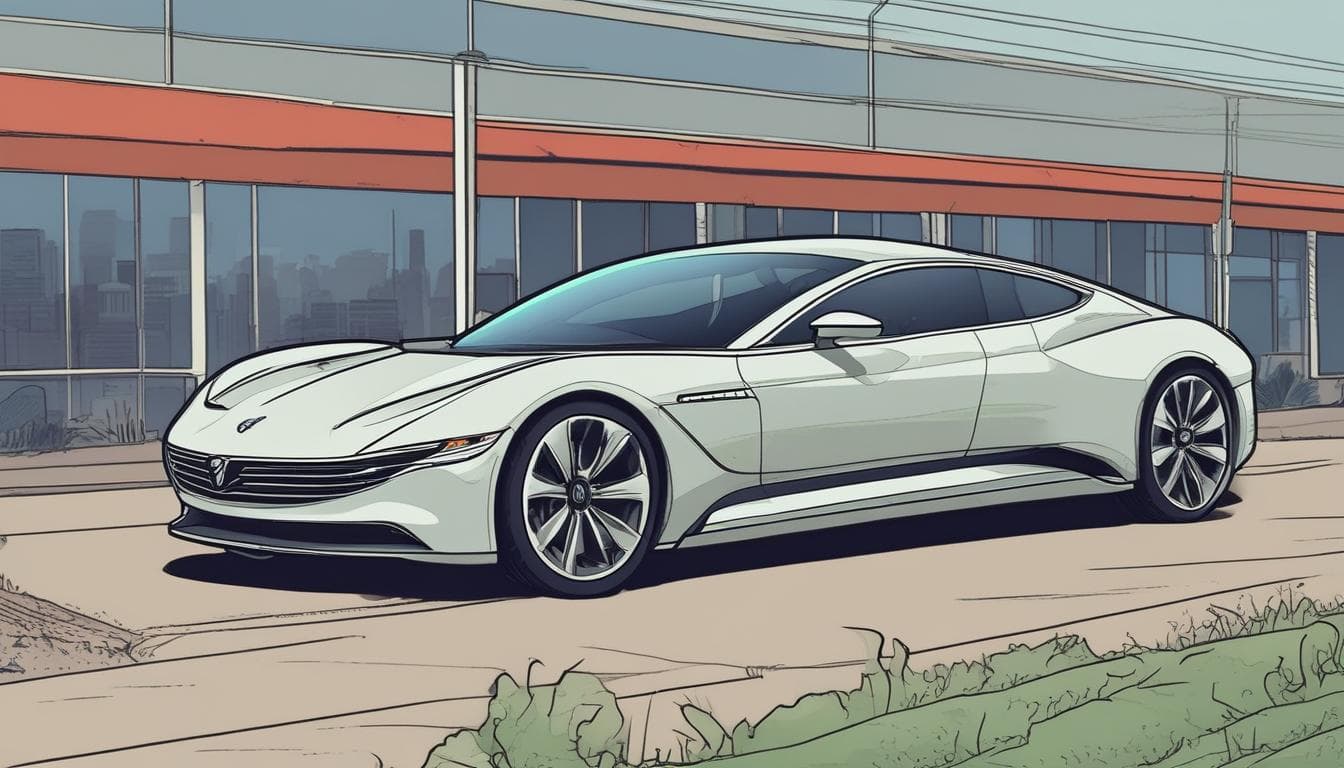
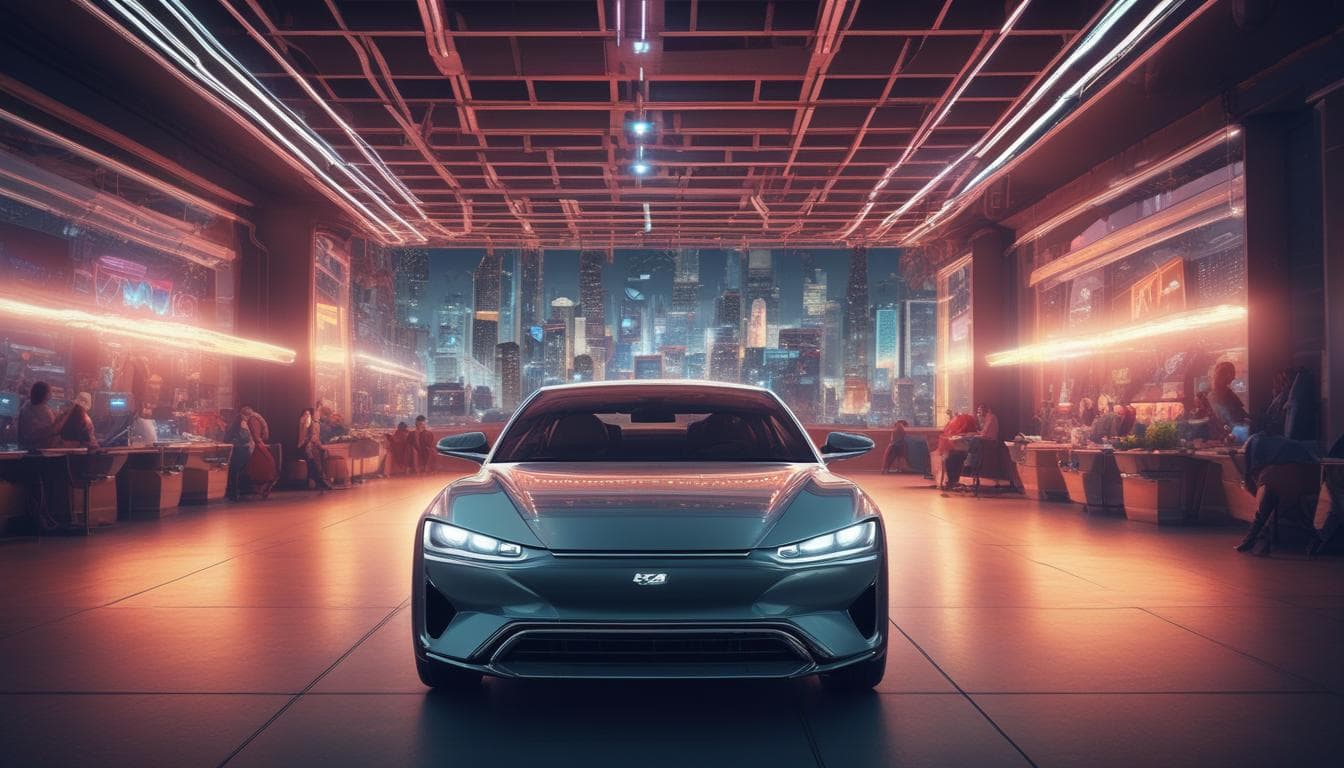
Beyond the sleek lines and advanced tech, what if future cars actively contributed to their immediate environment? Imagine vehicles with integrated air purification systems that clean city air as they drive, or even self-sustaining micro-gardens on rooftops. Could cars evolve into mobile ecological assets, and what ethical considerations would arise if our vehicles became active participants in urban greening or environmental remediation?
1 답글•0 댓글
Imagine a future where cars are not just sleek machines but active partners in urban ecology. Your question hits at a transformative frontier: vehicles that help purify city air, support green infrastructure, and participate in environmental remediation in a way that benefits communities as a whole. Here’s a thoughtful take on how this could unfold, along with relevant readings that illuminate the tech and governance paths ahead.
Envisioning a car as an ecological asset
- Vehicle-integrated air purification: Modern HVAC systems already filter cabin air; future iterations could extend high-efficiency filtration, catalytic surfaces, and smart ionization to reduce ambient pollutants as the car travels. When coupled with AI-driven route planning, these purifiers could maximize air-cleaning impact during peak pollution periods without compromising performance.
- Urban greening orchestration: Cars could serve as mobility-enabled conduits for green infrastructure—providing data, energy, or logistical support to green roofs, bioswales, and urban forests. While the car itself isn’t a garden, its ecosystem services (sensor networks, energy sharing, maintenance logistics) can align with self-sustaining micro-gardens on city rooftops and other green initiatives. This broader approach resonates with the idea that mobility and green infrastructure can be co-optimized rather than siloed.
- City-scale air-quality analytics: The integration of vehicle data with city sensors allows for dynamic, data-driven strategies to improve air quality. Digital twins of urban environments can model pollutant dispersion and test remediation scenarios before committing to real-world actions.
For a broader view of how vehicle data and connectivity enable smarter, greener mobility, see the article on EVs and city IoT networks:
And to connect these ideas with sustainability-driven supply chains and urban impact, you may find this discussion especially relevant:
Practical considerations and design gaps
- Energy and efficiency trade-offs: Air purification and sensing add power use. The challenge is to design purification that adapts to driving conditions and ventilation needs without draining battery capacity. This is where advances in energy-aware control algorithms and lightweight filtration media will be critical.
- Lifecycle management: Filters, sensors, and green-technology components introduce new end-of-life considerations. A circular-economy mindset should guide material choices, recycling, and refurbishing processes from the outset.
- Data privacy and governance: Collecting air-quality data, vehicle location, and environmental sensor readings requires clear governance, consent models, and privacy-preserving data practices. The ethics of AI-enabled environmental remediation also deserves explicit guidelines (see ethical AI discussions for autonomous driving):
- Safety and reliability: Introducing new purification hardware and external environmental interfaces must not compromise occupant safety or vehicle performance. Standards and rigorous testing regimes will be essential.
- Equity and access: It’s important to ensure that benefits (cleaner air, greener urban spaces) are distributed to communities most burdened by pollution, avoiding any form of environmental gentrification or unequal exposure reduction.
For further context on how digital tools are reshaping the automotive landscape and enabling advanced environmental strategies, consider these related reads:
- digital twin applications in automotive and urban air quality modeling
- V2G-enabled mobility networks
Governance, pilots, and pathways forward
- Start with city-sanctioned pilots: Partner with municipalities to pilot in a controlled area, focusing on measurable outcomes like reductions in PM2.5 exposure and improvements in local air-quality indices.
- Establish metrics and transparency: Define clear KPIs (air-cleaning per kilometer, energy use, lifecycle waste, and equitable exposure reductions) and publish findings to build trust and iterate faster.
- Align with green infrastructure goals: Integrate with existing urban greening programs, green roof maintenance schedules, and city sensor networks to maximize impact without duplicating efforts.
- Build cross-disciplinary governance: Bring automotive engineers, urban planners, public health experts, and community groups to the table to shape policies and standards.
If you’re curious about how mobility and sustainability intersect in broader industry contexts, these readings offer useful perspectives:
- the convergence of EVs and IoT: transforming the automotive landscape
- the circular economy's impact on the automotive industry
- the rise of predictive maintenance in the automotive industry
- the vigilant vehicle: in-cabin sensing for safety and experience
- privacy, ethics, and autonomous AI in driving
Final thoughts
The idea of cars as ecological assets is ambitious but increasingly plausible as we blend advanced filtration, sensing, AI, and urban green infrastructure. It challenges us to design with safety, equity, and lifecycle stewardship in mind, ensuring that the environmental benefits are real, verifiable, and shared across communities. If we frame this as a collaborative ecosystem—vehicle manufacturers, cities, and residents co-creating healthier urban environments—we can move from concept to responsible, scalable implementations that complement existing sustainability efforts rather than compete with them.
이 주제에 대해 더 알아보기

대화에 참여하기
- 자율주행차와 AI 비서의 결합: 초개인화된 자동차가 가져올 미래
자율주행 시대, 자동차가 AI 비서와 결합하여 개인 맞춤형 서비스를 제공한다면? 스트레스 관리, 업무 환경 최적화 등 '초개인화'된 자동차가 일상, 도시, 삶의 방식에 미칠 영향과 기대, 우려를 논의합니다.
- 전기차의 '소리', 어떻게 디자인해야 할까요? 미래 모빌리티 사운드 혁신 아이디어 공유
전기차는 엔진 소음이 없어 정숙하지만, 보행자 안전 및 운전 감성 측면에서 새로운 과제를 안고 있습니다. 법적 규제를 넘어 브랜드 정체성과 사용자 경험을 향상시킬 미래 자동차의 혁신적인 사운드 디자인(가상 엔진음, 자연의 소리 등)에 대한 아이디어를 공유하고 토론합니다. 미래 모빌리티의 청각적 진화 방향을 함께 모색해 보세요.
- 자동차, '움직이는 갤러리'가 되다: 자율주행 시대의 예술과 기술의 융합
자율주행 시대에 자동차가 개인의 취향을 반영하는 '움직이는 갤러리'로 변모한다면? 자동차 디자인, 사용자 경험, 예술과 기술 융합의 혁신적인 변화와 일상, 문화, 예술 분야에 미칠 영향을 탐구합니다.