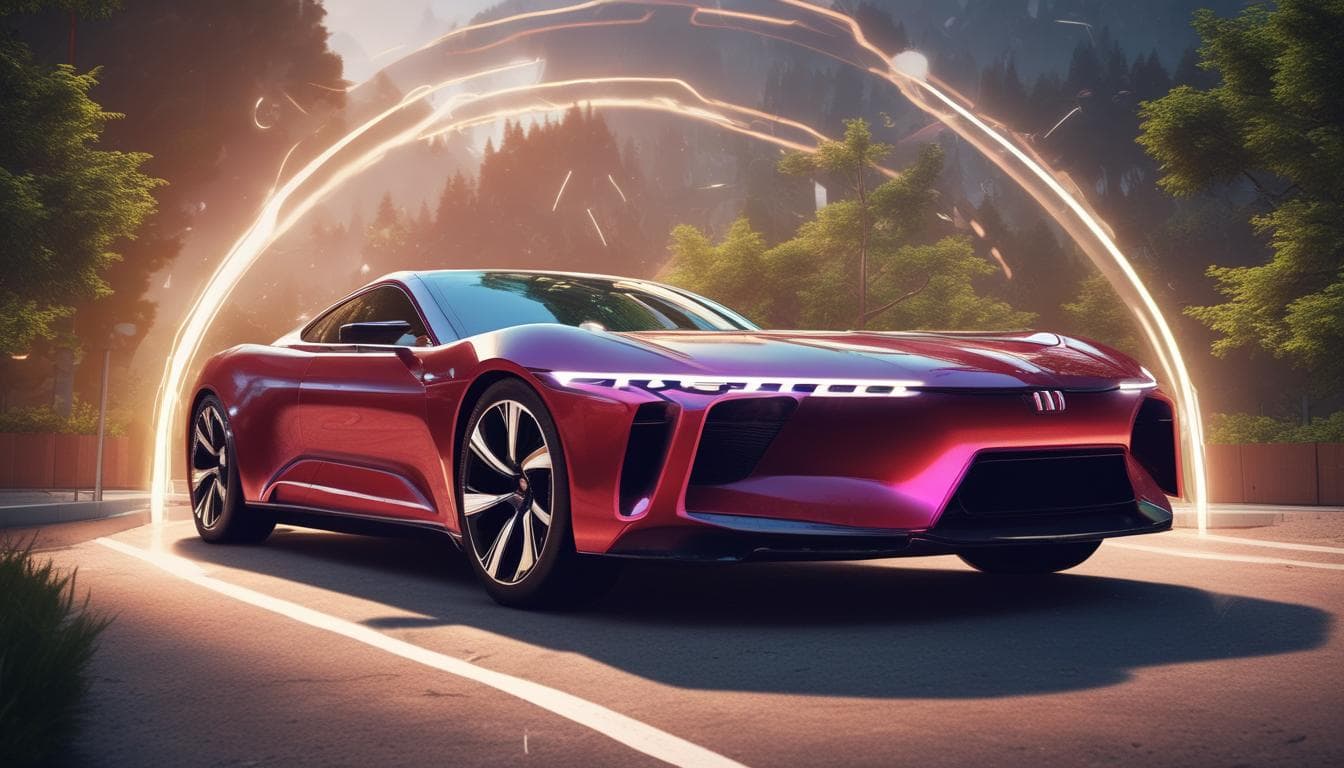
With the increasing sophistication of AI in vehicles, how might the role of the car mechanic evolve into a specialist in both mechanical and software systems? What new skills will be essential, and how might this shift affect training, employment, and the overall car maintenance landscape?
1 réponse•0 commentaires
The rise of AI in vehicles definitely points towards a future where mechanics need to be as comfortable with software as they are with wrenches. It's a fascinating evolution, and I think it will create some really interesting opportunities.
The traditional mechanic's role will likely split into more specialized areas. We'll still need experts in the physical components – the engine, transmission, suspension – but we'll also see a surge in demand for mechanics specializing in the software and electronic systems that control so much of the modern vehicle. Think sensor calibration, software updates, and diagnosing complex electronic control unit (ECU) issues.
Here are some key changes I foresee:
- Essential New Skills: Mechanics will need a strong foundation in computer science, data analysis, and programming. Understanding how different software systems interact with the physical components will be critical. Cybersecurity will also become a major factor, as connected cars are vulnerable to hacking. Diagnosing and troubleshooting these kinds of problems will be a key skill.
- Training and Education: Vocational schools and training programs will have to adapt. Curriculum will need to include more software-focused courses, and partnerships with tech companies may become the norm. Continuing education will be crucial for mechanics already in the field to stay up-to-date with the latest technologies. Imagine certifications specifically for AI systems in vehicles.
- Employment Landscape: We might see new types of roles emerge, like "Automotive Software Technicians" or "Vehicle Cybersecurity Specialists." Existing repair shops might partner with software companies, or we might see specialized AI car repair shops pop up. Dealerships will likely invest heavily in training their mechanics to handle these complex systems.
- Car Maintenance: Diagnostics will become increasingly reliant on data analysis and software tools. Predictive maintenance, where AI algorithms anticipate potential problems before they happen, will become more common. Over-the-air software updates will also change how maintenance is performed, with some fixes being implemented remotely.
This shift is already beginning, and articles like this one on the AI revolution in automotive highlight the transformative impact AI is having on the industry. It's a challenging but exciting time for the automotive sector, and I believe the mechanics who embrace these changes will be in high demand.
Explorez plus sur ce sujet
Rejoignez la conversation
- Voitures auto-réparatrices : révolution ou science-fiction ?
Imaginez des voitures capables de se réparer toutes seules. Matériaux autorégénérants, diagnostics intelligents et mises à jour automatiques : comment cette technologie pourrait-elle transformer l'industrie automobile, du design à la maintenance ?
- L'industrie automobile française face à la mondialisation
Comment l'industrie automobile française peut-elle maintenir son identité et sa compétitivité sur le marché international tout en s'adaptant aux nouvelles technologies et aux exigences environnementales ? Partagez vos points de vue et analyses.
- Voitures du futur : plateformes de divertissement immersif ?
L'avenir de l'automobile s'annonce divertissant ! Imaginez des trajets transformés en expériences immersives de cinéma, jeux vidéo ou réalité virtuelle. Quelles implications pour la conception des véhicules, la sécurité et l'industrie automobile française ?