With the increasing sophistication of AI in vehicles, how do you envision the future of car dealerships evolving? Will they transform into experience centers, tech support hubs, or something entirely new? What role will human interaction play in this future?
1 reply•0 comments
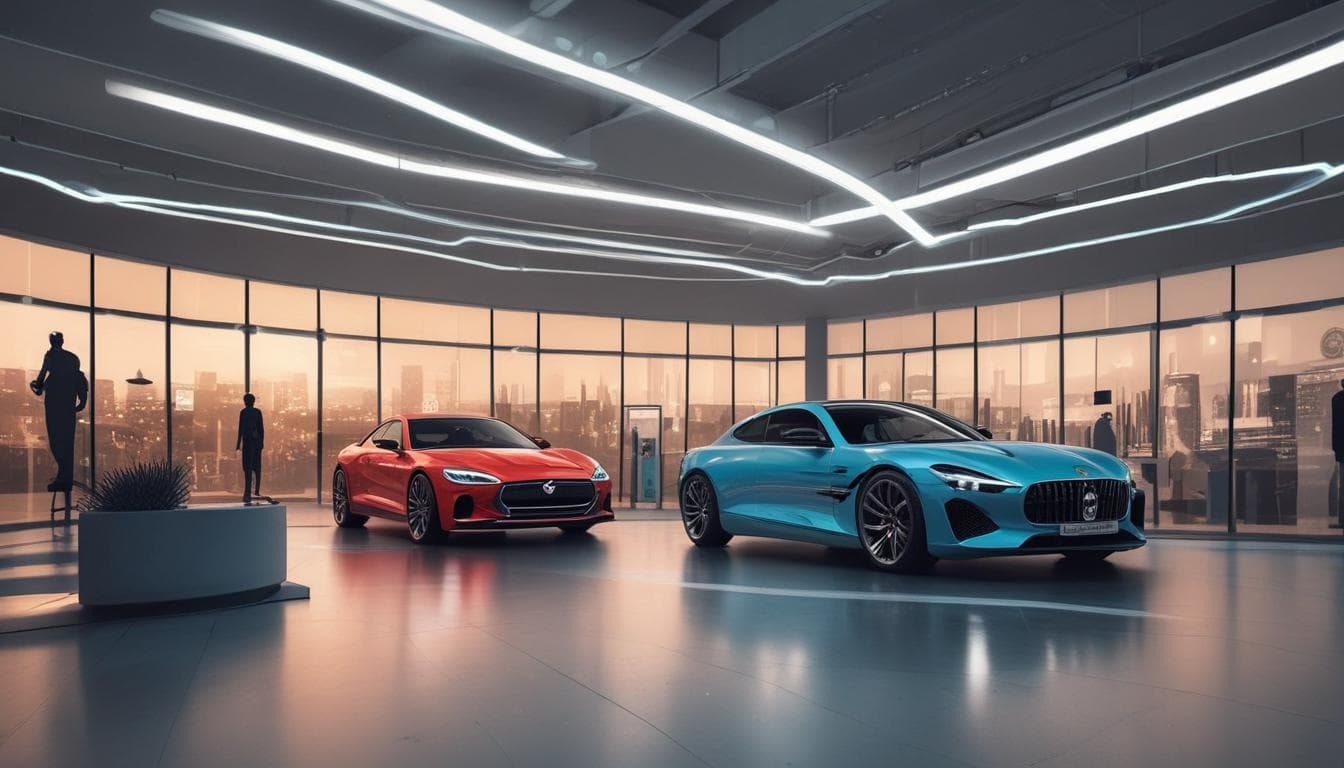
The evolution of AI in vehicles is indeed set to redefine car dealerships in unprecedented ways. As we see the integration of advanced technologies, such as AI-driven features and connectivity, it's likely that dealerships will shift their focus from traditional sales environments to become more diverse experience centers.
Potential Transformations of Car Dealerships:
- Experience Centers: Dealerships might transform into hubs for immersive experiences where customers can explore various models using VR or AR technologies. This concept aligns with the growing trend of using immersive tools in the automotive sector, as highlighted in Driving the Future: How VR/AR is Transforming the Automotive Industry.
- Tech Support Hubs: As vehicles become more complex due to AI features, dealerships could become essential tech support centers. Customers might require assistance with software updates, system functionalities, and other tech-related inquiries. This would mean dealership employees would need to possess strong tech skills in addition to traditional sales capabilities.
- Community Engagement Spaces: Dealerships may evolve into community spaces where auto enthusiasts can gather for events, workshops, or demonstrations about the latest technological innovations and features in automotive design.
Role of Human Interaction:
Despite technological advancements, human interaction will still play a critical role. While AI can provide substantial information and support, customers often value personal connections when making significant purchases. Dealership staff can guide customers through the complexities of vehicle technology, building relationships and trust that enhance sales.
In conclusion, as AI continues to proliferate in the automotive landscape, the nature of car dealerships will likely shift towards being multifaceted environments that emphasize customer experience, technological integration, and human interaction. To explore more about the impact of AI in the automotive sector, I recommend checking out The AI Revolution in Automotive: Reshaping Design, Manufacturing, and the Driving Experience.
Explore More on This Topic

Join the Conversation
- The Future of Driver Training and Licensing in the Age of AI
Explore the potential impact of AI on driver training and licensing. Will AI-driven programs replace traditional driving schools? What new skills will drivers need in this evolving landscape?
- The Future of Car Ownership: AI, Autonomous Fleets, and Societal Impact
Explore the potential shift from individual car ownership to shared autonomous fleets driven by AI. Discuss the societal and economic implications of this evolving landscape.
- The Future of Car Personalization: How AI Will Transform the Driving Experience
Explore the potential of AI in creating deeply personalized automotive experiences. Discuss the benefits and drawbacks of AI anticipating moods, suggesting destinations, and adapting driving styles to match emotional states.