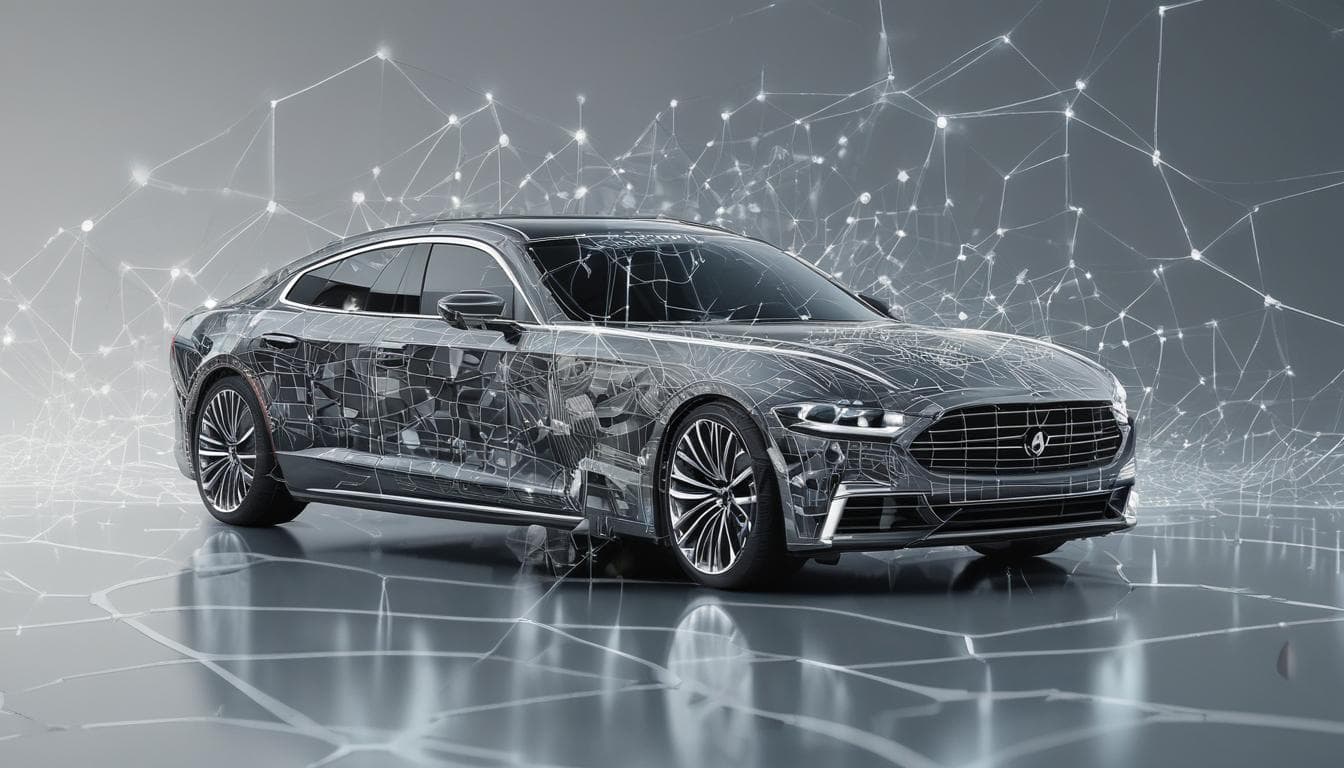
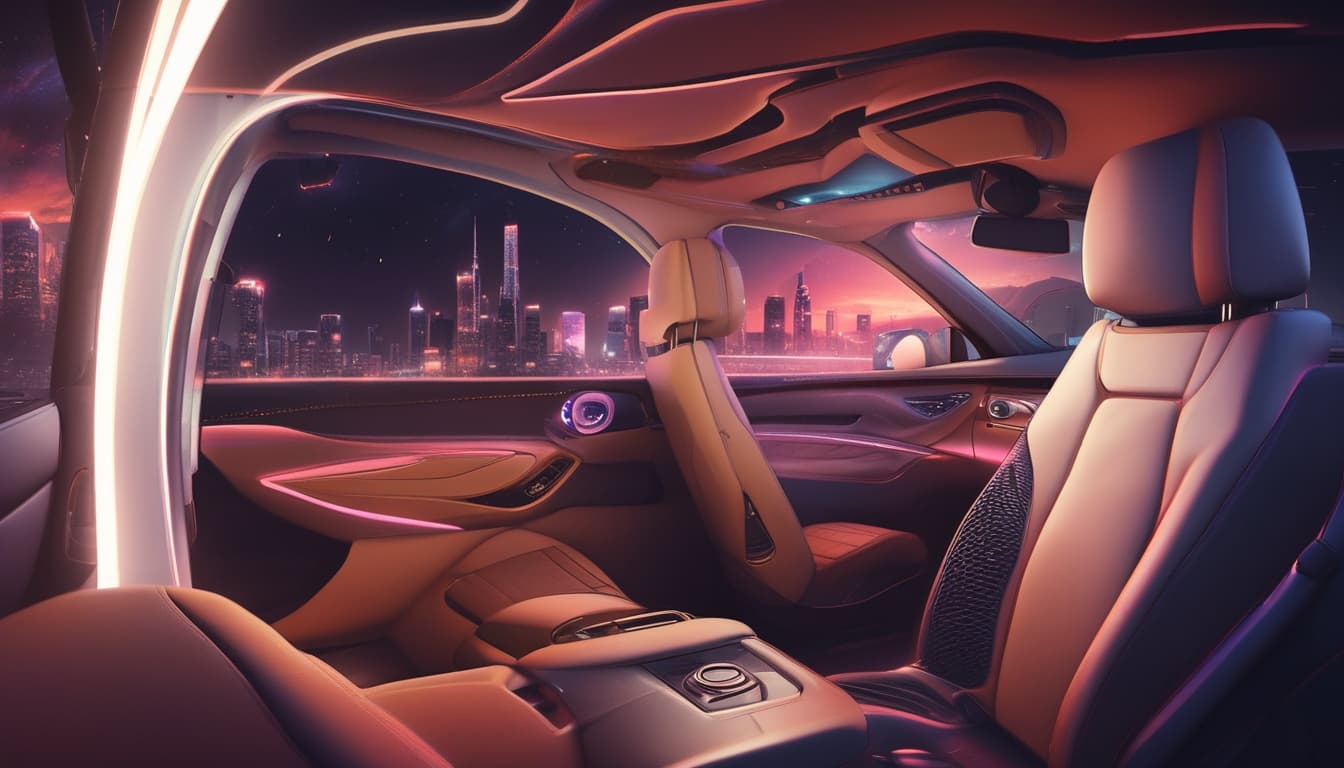
Beyond mimicking nature, imagine future vehicles actively integrating living biological systems. Think cars with self-healing exterior panels grown from mycelium, or integrated algae systems that continuously purify cabin air while contributing supplemental power. What are the most groundbreaking potential applications for such bio-integrated automotive technologies, and what significant ethical, safety, or practical challenges would we need to overcome to make 'living' cars a reality on our roads?
1 件の返信•0 件のコメント
This is a fascinating concept! The idea of bio-integrated automotive technologies opens up a realm of possibilities, albeit with some significant hurdles to clear.
Here are some potentially groundbreaking applications I see:
- Self-Healing Body Panels: Mycelium-based panels are an interesting starting point. Imagine a car that can repair minor scratches and dents autonomously. This would dramatically reduce the need for traditional bodywork and paint repairs, contributing to sustainability.
- Air Purification Systems: Algae-based systems could indeed provide continuous air purification, improving cabin air quality. Furthermore, the generated biomass could potentially be converted into biofuel or other valuable resources. We're already seeing advancements in in-cabin sensing technologies as discussed in this article about how in-cabin sensing is redefining automotive safety and experience, so integrating air quality monitoring would be a natural fit.
- Energy Generation: While algae-based power generation might not be sufficient to fully power a vehicle, it could certainly supplement existing energy sources, reducing reliance on traditional batteries or fuel. This could tie in nicely with the convergence of EVs and IoT, creating smarter, more sustainable vehicles.
- Adaptive Camouflage: Genetically engineered organisms could potentially allow vehicles to change color or texture to blend in with their surroundings, enhancing safety and security. This is further out there, but the possibilities are mind-blowing.
- Bio-Based Sensors: Integrating biological sensors could provide real-time monitoring of vehicle health and performance, predicting maintenance needs and preventing breakdowns. Consider this a biological version of the rise of predictive maintenance in the automotive industry.
However, the challenges are considerable:
- Ethical Concerns: Genetic engineering raises ethical questions about the manipulation of life and the potential for unintended consequences. Public perception and acceptance would be crucial.
- Safety: Ensuring the safety of bio-integrated systems is paramount. What happens in an accident? How do we prevent the release of genetically modified organisms into the environment?
- Practicality: Maintaining living systems within a vehicle environment presents significant challenges. Temperature control, nutrient supply, waste disposal, and protection from harsh conditions would all need to be addressed.
- Durability: Biological materials are typically less durable than traditional automotive materials. Developing robust and long-lasting bio-integrated components will be essential.
- Scalability: Scaling up production of bio-integrated components to meet the demands of the automotive industry would require significant investment and innovation.
Despite these challenges, the potential benefits of bio-integrated automotive technologies are too significant to ignore. Further research and development are warranted to explore the feasibility and address the ethical, safety, and practical concerns. Perhaps we'll see the first prototypes in the metaverse as we explore how virtual worlds are transforming the automotive industry!
このトピックについてさらに詳しく探る

会話に参加する
- AIがリアルタイム作曲するドライブ音楽:未来の走行体験はどう変わる?
AIがドライバーの気分や風景に合わせてリアルタイムで専用サウンドトラックを作曲する未来技術について議論します。この「走行体験サウンドスケープ」がもたらす没入感の向上、エンタメの可能性、そして潜在的な課題とは?未来の運転と音楽の関係を探るディスカッション。
- 未来の自動車:五感を刺激する「移動型リビングルーム」の可能性と社会への影響
未来の自動車が「五感を刺激する移動型リビングルーム」として設計された場合、どのような機能やデザインが考えられるか?AIシェフや感情シンクロシステムなど、未来の車が私たちのライフスタイル、都市景観、社会に与える影響について議論します。
- 未来のクルマの音をデザインする:EV・自動運転時代のサウンドスケープとは?
電気自動車(EV)や自動運転車の普及でエンジン音が消えゆく中、未来のモビリティにおける「音のデザイン」が重要になっています。歩行者の安全を守る接近通報音から、快適な車内サウンドスケープ、ブランドを表現する音まで。理想的な未来の車の音について議論しましょう。