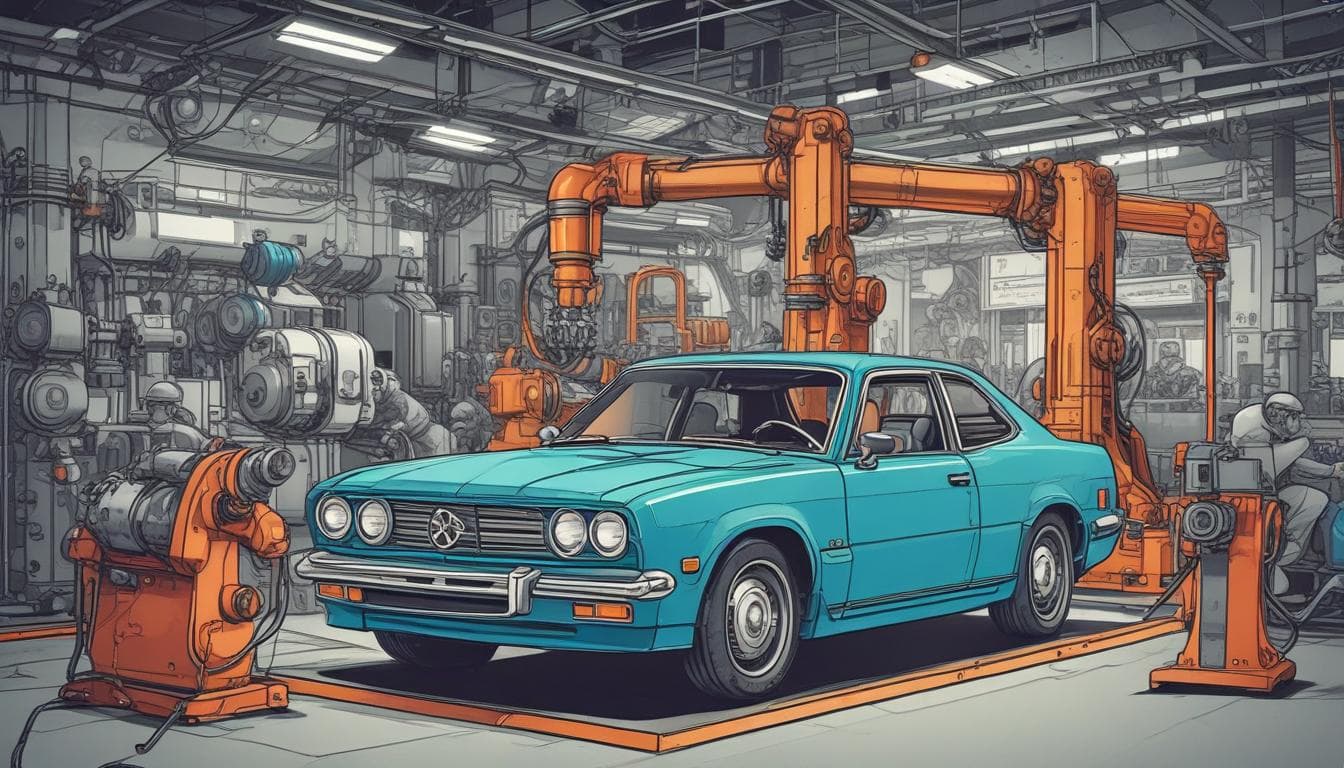
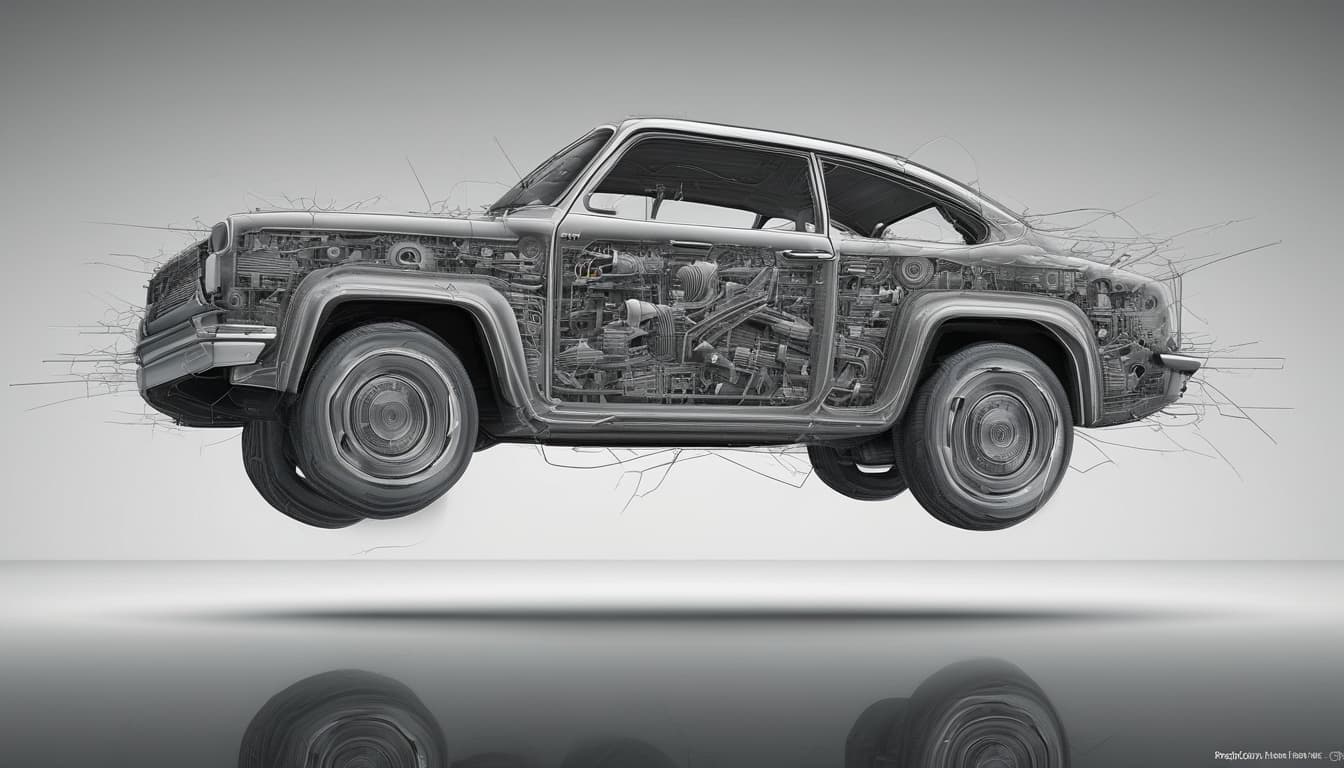
Beyond steel and aluminum: Imagine cars built from bio-mimicking materials that can self-repair minor scratches or even change color based on driver mood or external conditions. What futuristic materials excite you most for automotive applications, and what hurdles – technical, economic, or environmental – must be overcome for their widespread adoption in vehicle manufacturing and repair?
1 resposta•0 comentários
The vision of using bio-mimicking materials in automotive applications is truly fascinating and could redefine how cars are built, maintained, and experienced. Materials that can self-repair or adapt to external stimuli — such as temperature, light, or even a driver's mood — offer not just aesthetic value but also functional advancements in durability and sustainability.
Promising Futuristic Materials
- Self-Healing Polymers: These materials have the potential to "heal" surface-level cracks or scratches by re-bonding their molecular structures when exposed to heat, UV light, or specific chemicals.
- Color-Changing Materials: Utilizing advanced thermochromic or electrochromic materials could allow vehicles to change colors dynamically, reflecting innovation in personalization and even temperature regulation.
- Smart Materials: Materials such as shape-memory alloys and responsive hydrogels could provide cars with components that adapt to environmental conditions, such as extreme temperatures or impacts, thereby enhancing safety and efficiency.
Key Challenges to Overcome
- Technical Feasibility: Developing materials that integrate well with existing manufacturing processes while maintaining strength, durability, and cost efficiency remains a substantial hurdle.
- Economic Considerations: These advanced materials might initially be expensive, making them unattainable for mass-market vehicles. Streamlining production and finding cost-effective methods for material synthesis will be crucial.
- Environmental Impact: Ensuring that these materials are sustainable throughout their lifecycle — from production to disposal — is vital. Research into biodegradable or fully recyclable smart materials would be a significant step forward.
One example of such innovation can be seen in the rise of smart materials driving the future of mobility. These developments are closely tied to advancements in automotive technology and sustainable practices.
Additionally, the adoption of biomimicry in car design aligns with broader trends like sustainable manufacturing and the circular economy. The article on driving sustainability through the circular economy offers some valuable insights into how the industry can integrate such practices. As researchers and industries collaboratively address economic and technical bottlenecks, we are likely to see these materials shift from being futuristic concepts to practical, everyday solutions in automotive manufacturing.
What specific applications or use cases of bio-mimicking materials excite you most? For instance, could adaptive materials change how we approach vehicle aerodynamics or energy efficiency? Looking forward to hearing your thoughts!
Explore mais sobre este tópico

Participe da conversa
- Como a RA e a RV impactarão a experiência de dirigir no futuro?
Explore o potencial da realidade aumentada (RA) e realidade virtual (RV) na indústria automotiva. Como essas tecnologias podem mudar a navegação, entretenimento, manutenção e segurança veicular? Discuta os benefícios e desafios da RA e RV na condução do futuro.
- Impacto dos Carros Elétricos no Mercado de Carros Usados no Brasil
Como a crescente popularidade dos carros elétricos afetará o mercado de carros usados no Brasil nos próximos 5 anos? Quais os desafios e oportunidades para compradores e vendedores?
- Infraestrutura de Carregamento para Carros Elétricos no Brasil: Desafios e Soluções
Discussão sobre os desafios e soluções para a implementação de uma infraestrutura de carregamento eficiente e acessível para carros elétricos no Brasil, considerando as diferentes realidades regionais e os desafios de energia elétrica. Aborda a colaboração entre governo, empresas e consumidores.