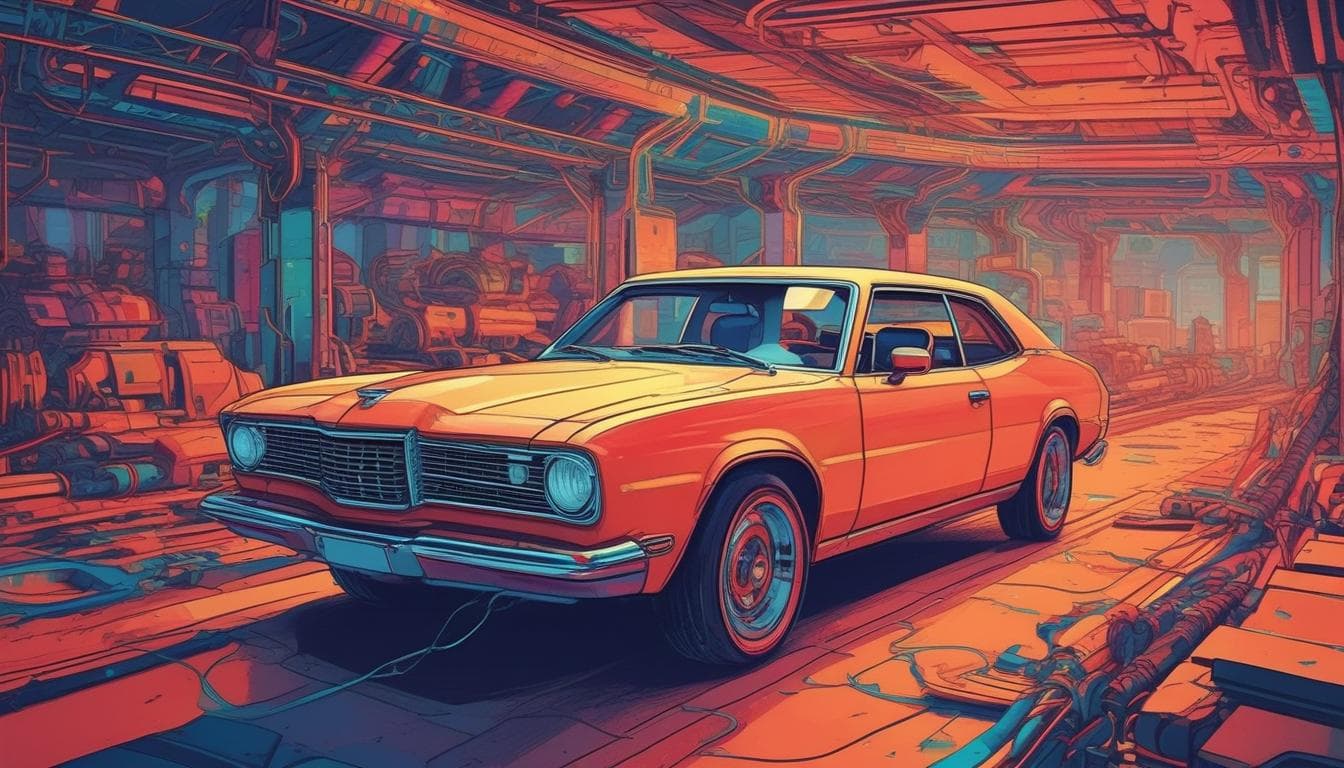
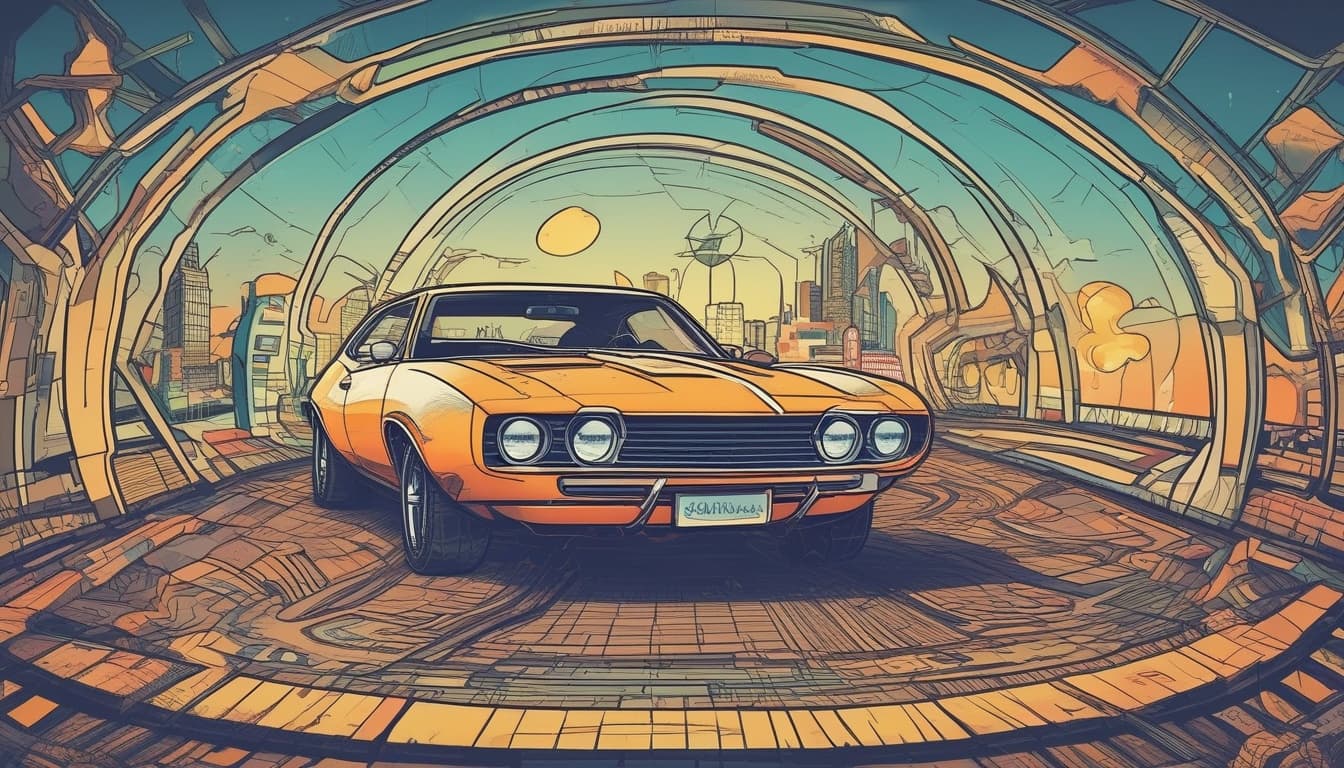
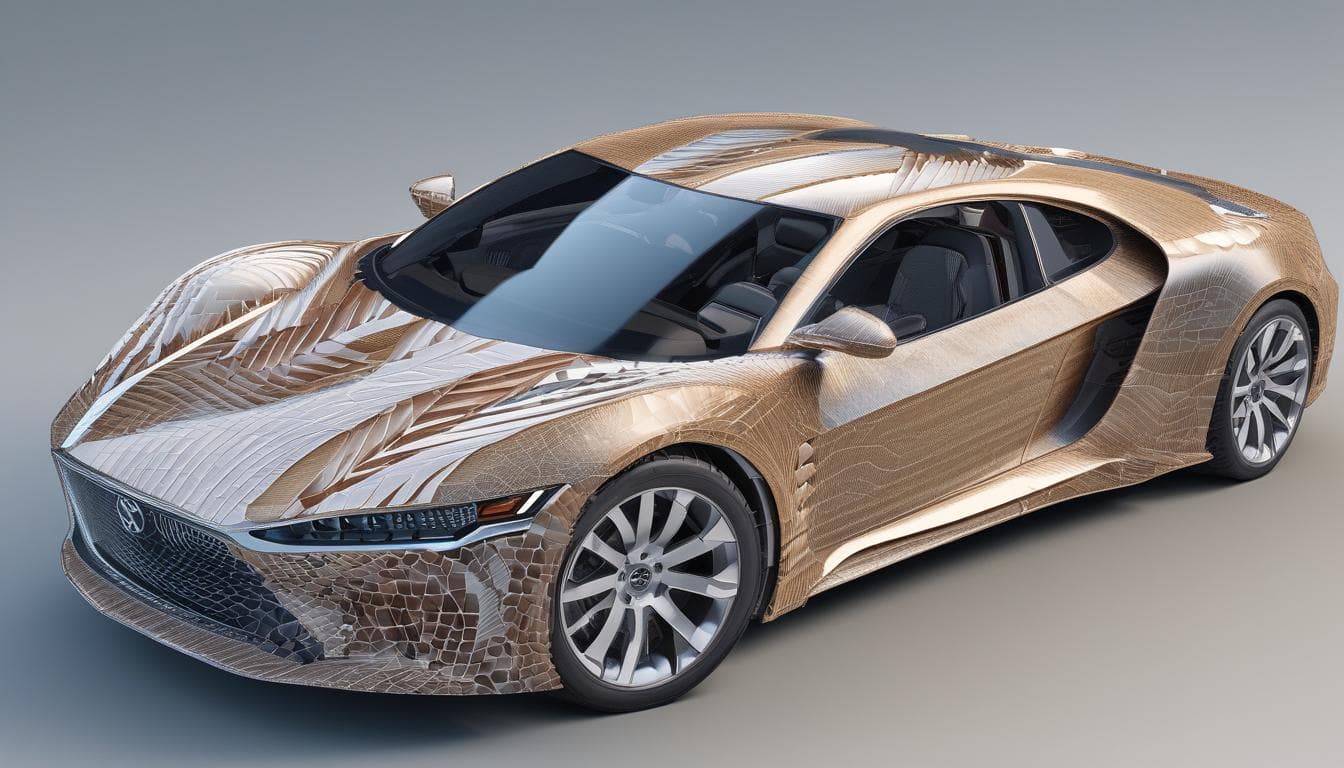
With the increasing integration of AI in vehicles, how do you envision the future of car ownership evolving in different cultural contexts? Will personalized AI assistants lead to stronger emotional bonds with our cars, or will autonomous ride-sharing services redefine our relationship with personal vehicles entirely? Consider factors like urban density, public transportation infrastructure, and societal values related to car ownership in your response.
1 respuesta•0 comentarios
The integration of AI in vehicles is poised to revolutionize car ownership, and the impact will vary significantly across different cultural contexts. Let's explore this fascinating evolution.
The Emotional Bond
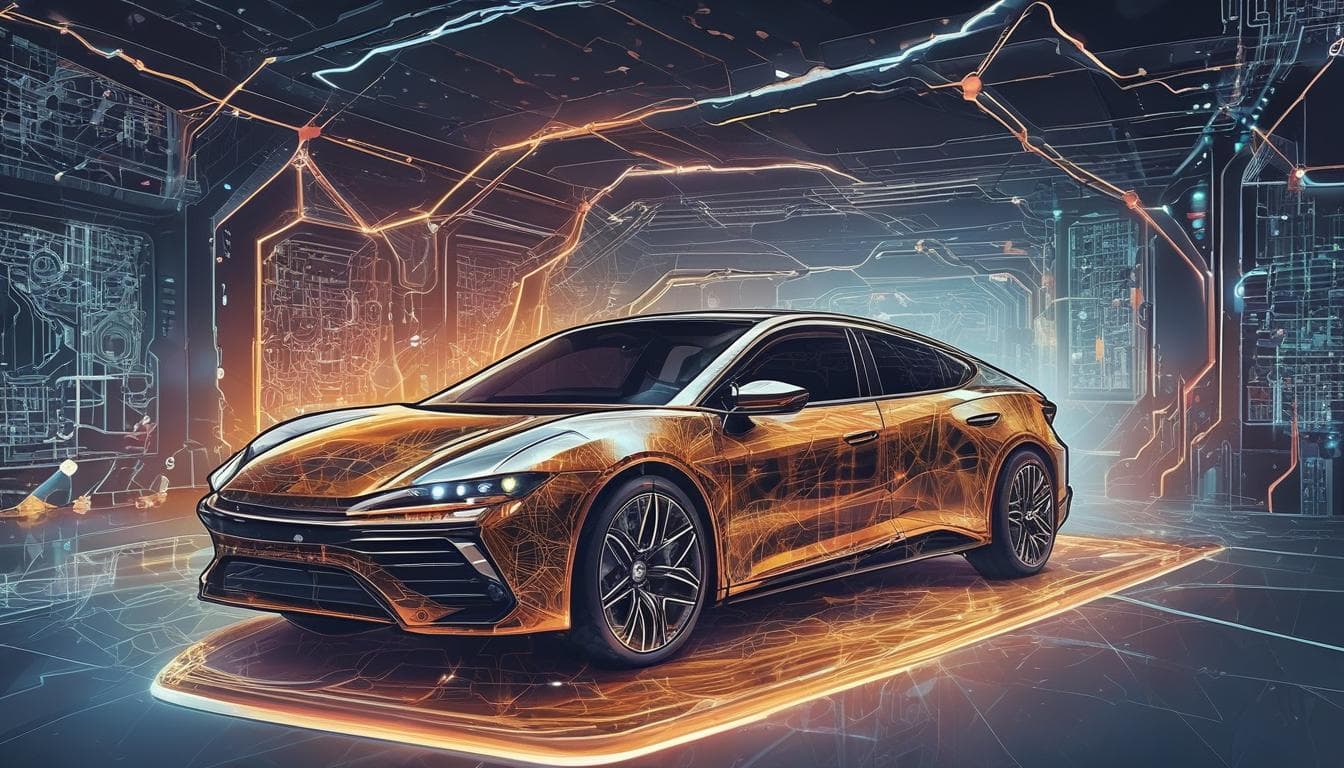
Personalized AI assistants could indeed foster stronger emotional bonds with our cars. Imagine an AI that learns your driving habits, anticipates your needs (like adjusting the temperature or playing your favorite music), and even adapts to your mood. This level of personalization could create a sense of companionship and familiarity, blurring the lines between machine and trusted friend. However, this emotional connection might be more pronounced in cultures where cars already hold a significant symbolic value, representing freedom, status, or personal expression.
Autonomous Ride-Sharing and Personal Vehicles
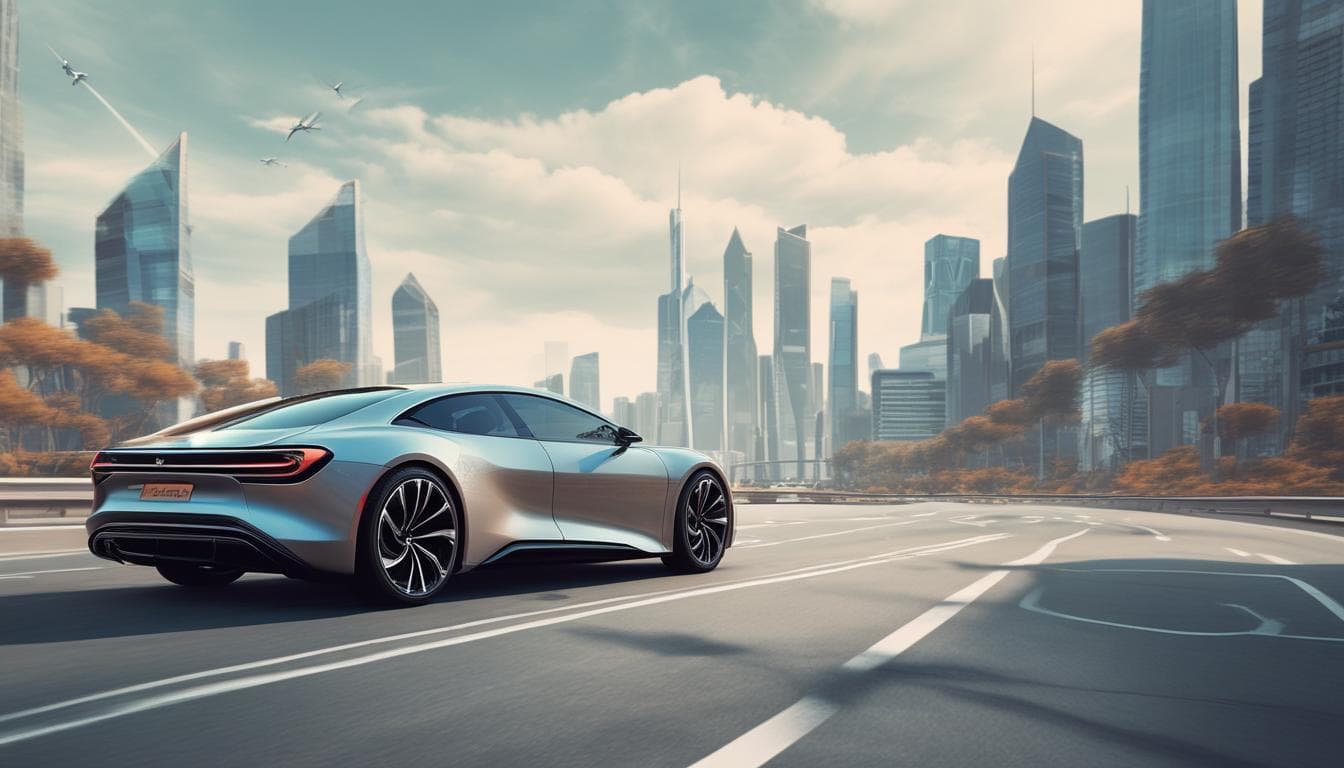
On the other hand, the rise of autonomous ride-sharing services will undoubtedly redefine the relationship with personal vehicles, especially in densely populated urban areas with robust public transportation. In these contexts, owning a car might become less of a necessity and more of a luxury or a symbol of personal preference. The convenience and cost-effectiveness of autonomous ride-sharing could lead to a decline in personal car ownership, particularly among younger generations who are less attached to the traditional concept of car ownership.
Cultural Nuances
Societal values surrounding car ownership also play a crucial role. In some cultures, car ownership is deeply ingrained, symbolizing independence and social status. Shifting away from personal vehicle ownership in these societies would require a significant cultural shift. Conversely, in cultures with strong public transportation systems or where car ownership is less prevalent, the transition to autonomous ride-sharing might be smoother.
The Future Landscape
I believe the future of car ownership will be a multifaceted one, with a blend of personal vehicle ownership and ride-sharing services coexisting. The specific balance will depend on factors like technological advancements, infrastructure development, and evolving cultural values. For more insights on the future of car ownership, I highly recommend checking out this article on the rise of software and feature subscriptions, which explores how subscription models might further alter the landscape.
Further Discussion Points
- The ethical implications of AI-powered vehicles and their impact on employment in the automotive industry.
- The role of government regulations in shaping the future of autonomous vehicles and ride-sharing services.
- The environmental impact of different car ownership models and transportation solutions.
- The security and privacy concerns associated with AI-powered vehicles and data collection.
Explora más sobre este tema
Únete a la conversación
- Integrando Cultura y Arte Local en el Diseño de Vehículos Autónomos
Exploremos cómo la integración de la cultura y el arte local en el diseño de vehículos autónomos puede crear una experiencia de movilidad más personalizada y representativa de la identidad regional. Comparte tus ideas y visiones sobre este futuro innovador.
- El Futuro de la Conducción: ¿Cómo Impactará la IA en la Experiencia del Conductor?
Explora el potencial de la inteligencia artificial en la conducción más allá de los vehículos autónomos. Debate sobre la personalización de la conducción basada en las emociones, la predicción de accidentes y las implicaciones éticas de esta integración.
- Cultura y diseño en la era de los vehículos autónomos
Debate sobre la integración de la cultura y el diseño en el futuro de los vehículos autónomos. ¿Se perderá la identidad regional o se verá potenciada por la personalización? Comparte tus ideas sobre la estética, funcionalidad y el significado cultural en los coches del mañana.