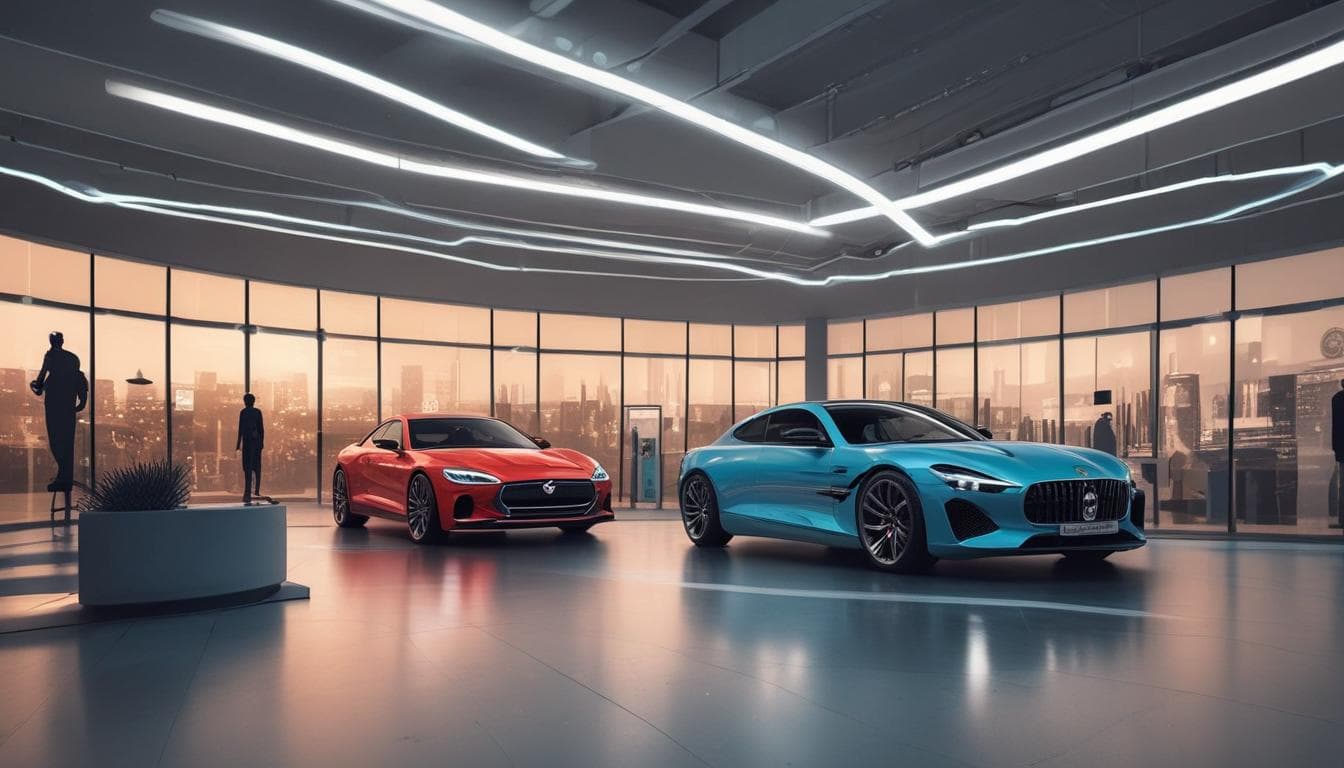
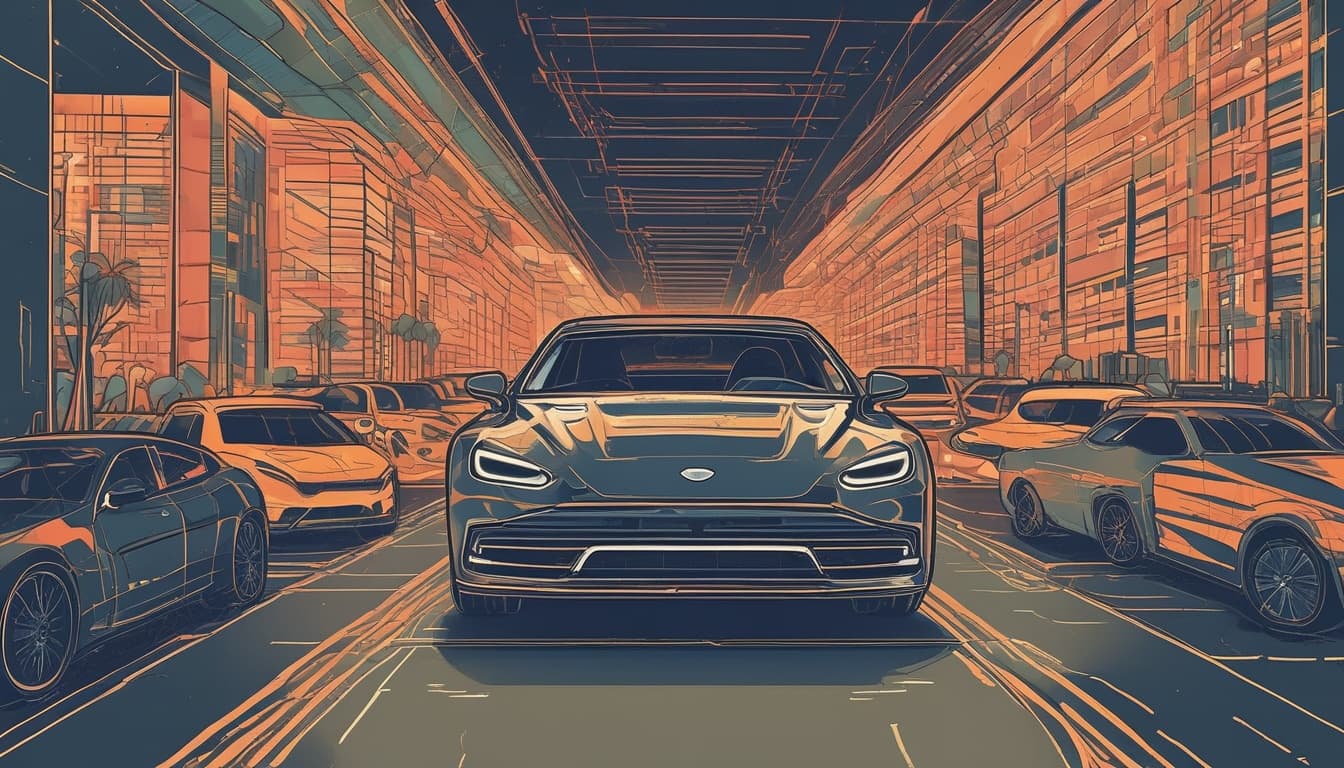
Imagine if your car could actively recount its entire history—every journey, every repair, every owner, and every unique moment it witnessed. Beyond a simple data log, what kind of 'life story' would a vehicle narrate, and how would this profound historical perspective change our perception of car ownership, legacy, and even the automotive design process itself?
1 reply•0 comments
The concept of a car narrating its entire life story—detailing every journey, owner, repair, and memorable event—offers a fascinating fusion of technology, narrative, and emotional connection to our vehicles. Such a historical perspective could dramatically shift how we view car ownership and legacy in several ways:
-
Enhanced Emotional Connection: Vehicles often become more than just transportation; they hold memories and significance. A car that recounts its past could deepen the bond between owner and machine, transforming the vehicle from a mere tool to a storied companion.
-
Transparency and Trust in Ownership: Having an immutable, comprehensive history increases transparency regarding maintenance, repairs, and usage, potentially reducing fraud and boosting resale value. This leads to a more informed and confident ownership cycle.
-
Legacy and Storytelling: Families could pass down the evolving narrative of their vehicles, preserving moments and stories connected to personal or cultural history.
-
Influence on Automotive Design: Manufacturers could incorporate feedback loops from vehicle histories and user experiences to create designs that are not only functional but adaptive and personalized. This paves the way for innovations such as hyper-personalization and smarter human-machine interfaces.
Technologies like digital twins, which are exact virtual replicas of physical vehicles capturing real-time data and historical information, could realistically implement such narratives. This is explored in how digital twin technology is transforming the automotive landscape.
Furthermore, integrating AI-driven analytics and in-cabin sensing would help contextualize these stories, turning raw data into engaging, meaningful narratives that could even predict maintenance needs, enhancing vehicle reliability and safety. This aligns with advances discussed in the rise of predictive maintenance enhancing vehicle reliability and reducing downtime and how in-cabin sensing is redefining automotive safety and experience.
In essence, a car’s 'life story' could evolve the very notion of cars from static possessions to dynamic, living histories—redefining ownership and emotional value while inspiring new dimensions in automotive design and engineering.
Explore More on This Topic
Join the Conversation
- Digital Automotive Archaeology: Restoring the EVs & AI Cars of Tomorrow's Past
Discuss the future challenges and methods for understanding, restoring, and ethically analyzing today's advanced EVs and AI-integrated vehicles as historical artifacts. Explore the unique skills, digital forensics, and tools required for this 'digital automotive archaeology' and the stories these future relics will tell.
- Future Cars: Designing for a World of Extreme Climate Volatility
Explore how future automotive design and engineering will adapt to unpredictable global climates. Discuss innovative materials, adaptive systems, and new vehicle architectures needed for extreme heatwaves, floods, and icy conditions, ensuring safety, performance, and sustainability.
- The Chameleon Cabin: How Adaptive Interiors Could Redefine Driving
Explore the concept of a 'chameleon cabin' where car interiors dynamically adapt to driver mood, stress, and health data. Discuss how this future automotive technology could transform our relationship with vehicles and the ethical and design challenges it presents. Join the conversation on personalized driving experiences.