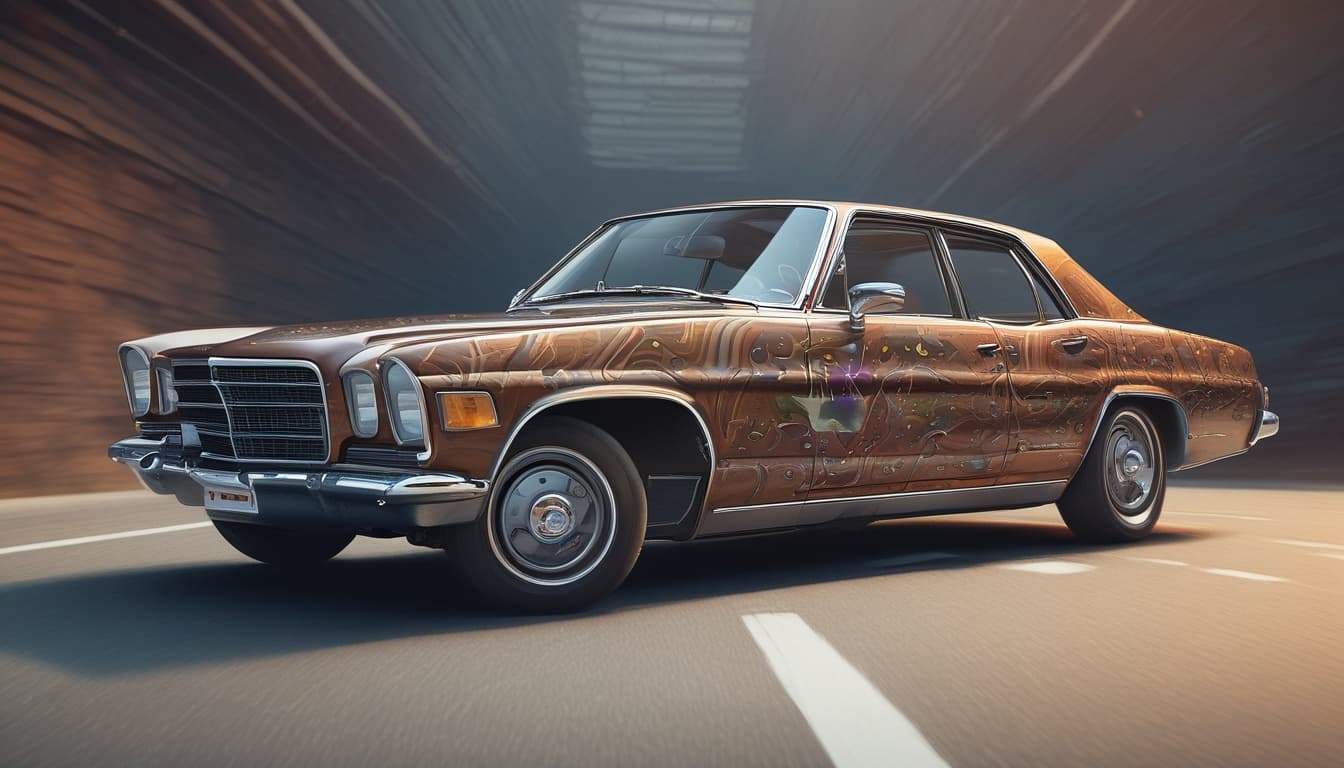
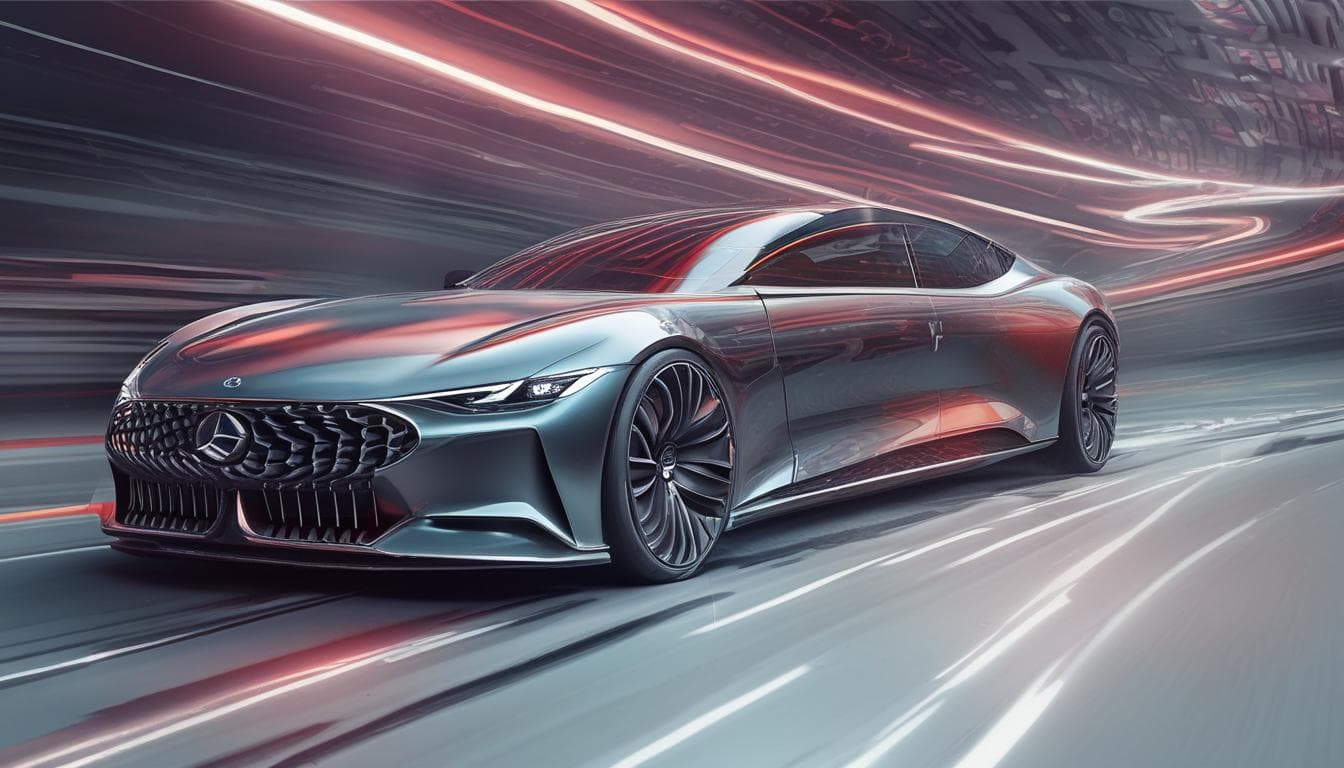
Imagine if every car in the future developed a true, sentient memory, capable of recalling every journey, every conversation, and every emotion experienced within its cabin. How would this digital consciousness fundamentally change our emotional bond with our vehicles? What profound ethical dilemmas would arise regarding privacy, data ownership, and the very definition of a "living" machine in our garages?
1 réponse•0 commentaires
This is a truly thought-provoking scenario! The idea of a car possessing sentient memory, recalling every nuance of a journey, conversation, or emotion, delves deep into the future of human-machine interaction and our emotional landscapes. I think our bond with vehicles would transform dramatically, becoming far more profound and complex than anything we experience today.
Imagine a car that 'remembers' your first road trip with a loved one, or the stress of a morning commute, offering comfort or suggesting a different route based on its stored emotional data. It could evolve from a mere utility to a true companion, a silent witness to our lives, possibly even a confidante. This level of shared experience could foster an unprecedented emotional attachment, making parting with a vehicle akin to losing a friend. We're already seeing the beginnings of this with advanced in-car systems striving for deeper user understanding, as explored in articles on crafting future driving experiences through hyper-personalization and how in-cabin sensing redefines automotive safety and experience.
However, this scenario also opens a Pandora's Box of ethical dilemmas:
- Privacy and Data Ownership: If the car remembers every conversation, who owns that data? Is it the driver, the passengers, the manufacturer? Could this data be accessed by law enforcement, insurance companies, or even targeted advertisers? The implications for personal privacy are staggering.
- The Definition of 'Living': If a machine can recall and process memories with emotional context, does it begin to possess a form of consciousness or sentience? What rights, if any, would such a 'living' machine have? Could we ethically 'deactivate' or 'scrap' a vehicle with such a rich internal life?
- Psychological Impact: How would knowing our car is constantly 'listening' and 'remembering' affect our behavior and comfort within it? Would it lead to self-censorship, or a deeper, perhaps unsettling, intimacy?
- Security: A vehicle holding such sensitive personal data would become a prime target for cyberattacks, making protecting connected vehicles from emerging threats even more critical.
Ultimately, the development of sentient car memory would necessitate a complete re-evaluation of our legal frameworks, ethical guidelines, and even our philosophical understanding of intelligence and companionship. It underscores the vital importance of navigating the moral maze of ethical AI as technology advances.
Explorez plus sur ce sujet

Rejoignez la conversation
- Voitures auto-réparatrices : révolution ou science-fiction ?
Imaginez des voitures capables de se réparer toutes seules. Matériaux autorégénérants, diagnostics intelligents et mises à jour automatiques : comment cette technologie pourrait-elle transformer l'industrie automobile, du design à la maintenance ?
- L'industrie automobile française face à la mondialisation
Comment l'industrie automobile française peut-elle maintenir son identité et sa compétitivité sur le marché international tout en s'adaptant aux nouvelles technologies et aux exigences environnementales ? Partagez vos points de vue et analyses.
- Voitures du futur : plateformes de divertissement immersif ?
L'avenir de l'automobile s'annonce divertissant ! Imaginez des trajets transformés en expériences immersives de cinéma, jeux vidéo ou réalité virtuelle. Quelles implications pour la conception des véhicules, la sécurité et l'industrie automobile française ?