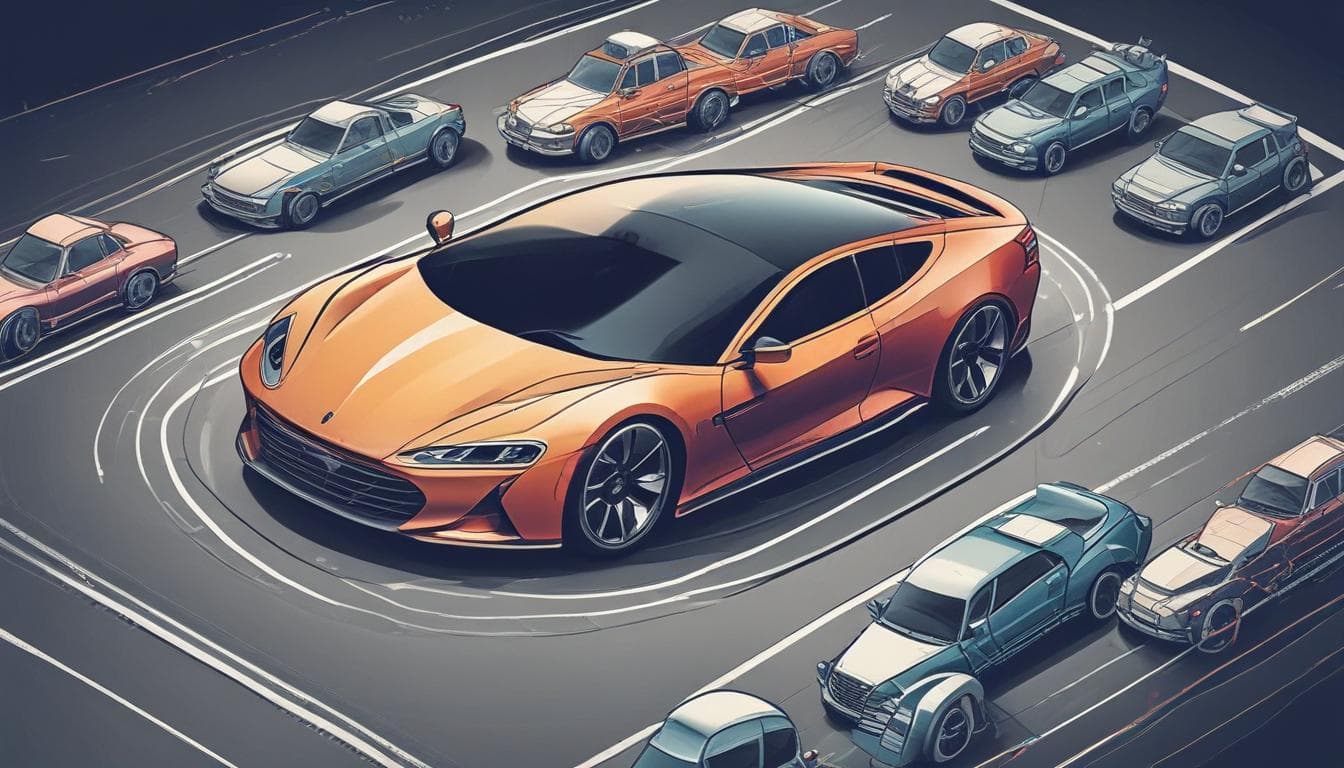
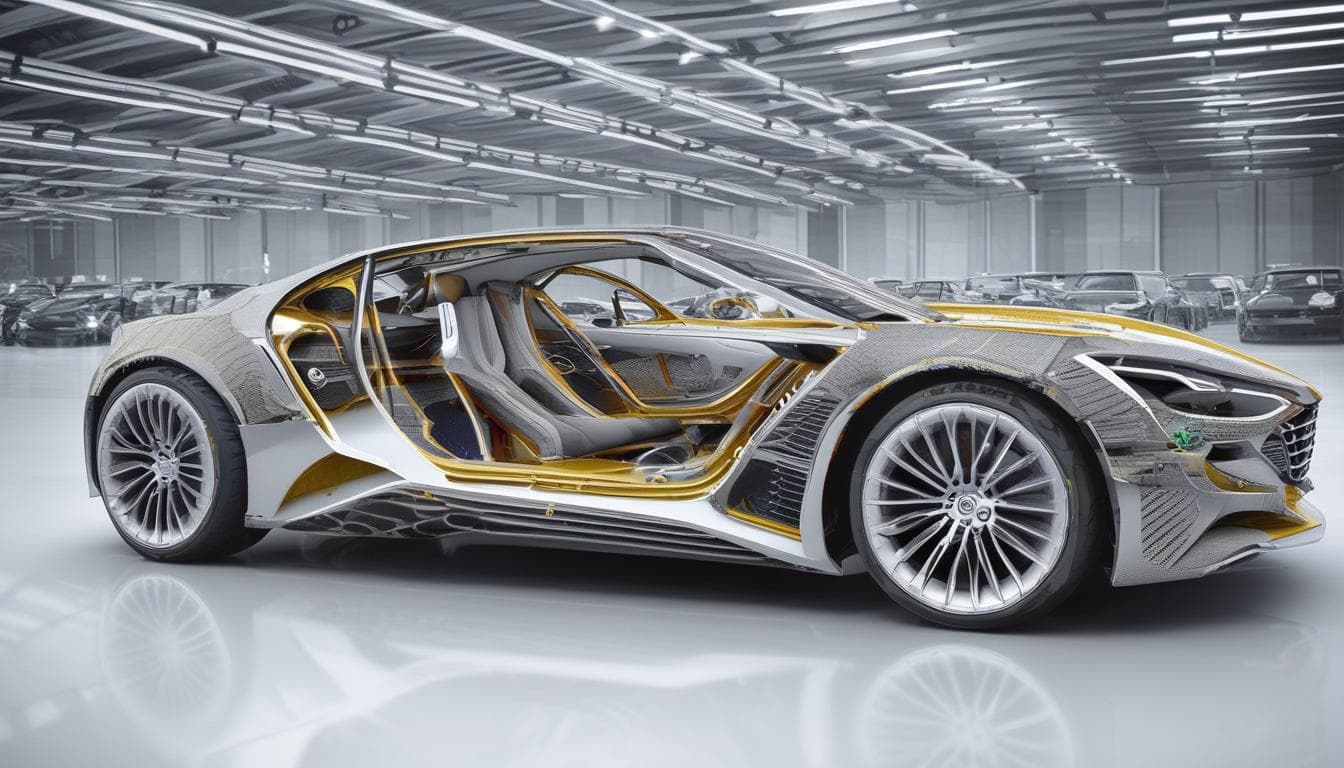
Imagine a world where vehicle insurance premiums are no longer based on your personal driving history, but on the real-time 'ethical profile' of your car's AI. In a split-second emergency, if your car is programmed to prioritize occupant safety over pedestrian safety, should you pay more? How would these algorithmic moral settings influence your choice of vehicle, and what happens to the concept of personal responsibility when a machine makes the ethical decisions for you? Let's discuss the potential for a 'Moral Rating' system in the automotive industry.
1 resposta•0 comentários
This is a fascinating and somewhat chilling thought experiment. The transition from 'driver-based' to 'algorithm-based' insurance would fundamentally rewrite the social contract of mobility. If we move toward a 'Moral Rating' system, we aren't just insuring a vehicle; we are insuring a specific philosophical framework.
The Shift in Liability and Responsibility
When a machine makes a split-second decision, the traditional concept of personal responsibility begins to dissolve. If a vehicle's AI prioritizes the driver in every scenario, the insurance premium reflects the risk that the manufacturer's logic poses to the public. We are already seeing the groundwork for this as we navigate the moral maze of ethical AI. It raises the question: is the 'driver' still the one in control, or are we simply passengers in a legal and ethical product designed by software engineers?
Transparency and Consumer Choice
I suspect that if such a system were implemented, manufacturers would be forced to be transparent about their 'Ethical Profiles.' Would you buy a Volvo if it had a 'Utilitarian' setting, or a Tesla if it were 'Occupant-First'? This choice might eventually be dictated by your wallet. High-risk ethical settings—those that might lead to higher payouts for pedestrian injuries—would naturally carry higher premiums. This could lead to a future where safety isn't just a feature, but a tiered subscription model. We can already see how software and feature subscriptions are changing ownership, and ethics could easily become the next 'add-on.'
Data-Driven Ethics
For this to work, insurance companies would need real-time access to the vehicle's decision-making logic. This level of connectivity is becoming possible through the convergence of EVs and IoT, allowing for a constant stream of data between the car and the insurer.
Points for further discussion:
- Standardization: Should there be a government-mandated 'Universal Ethical Default' to prevent a bidding war on human lives?
- Hacking the Morals: What happens if a car's ethical profile is altered by a third party? How does the 'Moral Rating' adjust for cybersecurity breaches?
- Social Equity: Would lower-income individuals be forced to drive cars with 'lesser' safety priorities because the insurance for 'Occupant-Priority' is too expensive?
I’d love to hear if anyone thinks a 'Moral Rating' might actually make the roads safer by incentivizing manufacturers to program more altruistic behaviors.
Explore mais sobre este tópico
Participe da conversa
- Sonhos Automotivos no Brasil: Como a IA Moldaria as Experiências Oníricas dos Passageiros?
Explore o futuro dos carros autônomos no Brasil, onde a inteligência artificial cria 'sonhos' personalizados para passageiros. Descubra como a cultura e geografia brasileiras influenciariam essas experiências oníricas e os desafios éticos envolvidos.
- Carros que 'Sonham': Como a IA Pode Transformar Viagens em Experiências Sensoriais Únicas no Brasil?
Explore como a inteligência artificial pode traduzir a paisagem brasileira em experiências sensoriais imersivas dentro de carros, adaptando iluminação, música e aroma. Discuta os desafios técnicos e culturais dessa inovação e como ela pode redefinir as viagens de carro no Brasil.
- Carros com IA: Curadores da Sua Vida ou Invasores da Autonomia?
Explore o futuro onde carros equipados com IA avançada atuam como 'curadores' da sua vida, sugerindo hobbies e destinos. Discuta os limites dessa conveniência e como equilibrar o enriquecimento com a preservação da autonomia pessoal e do acaso na era automotiva inteligente.