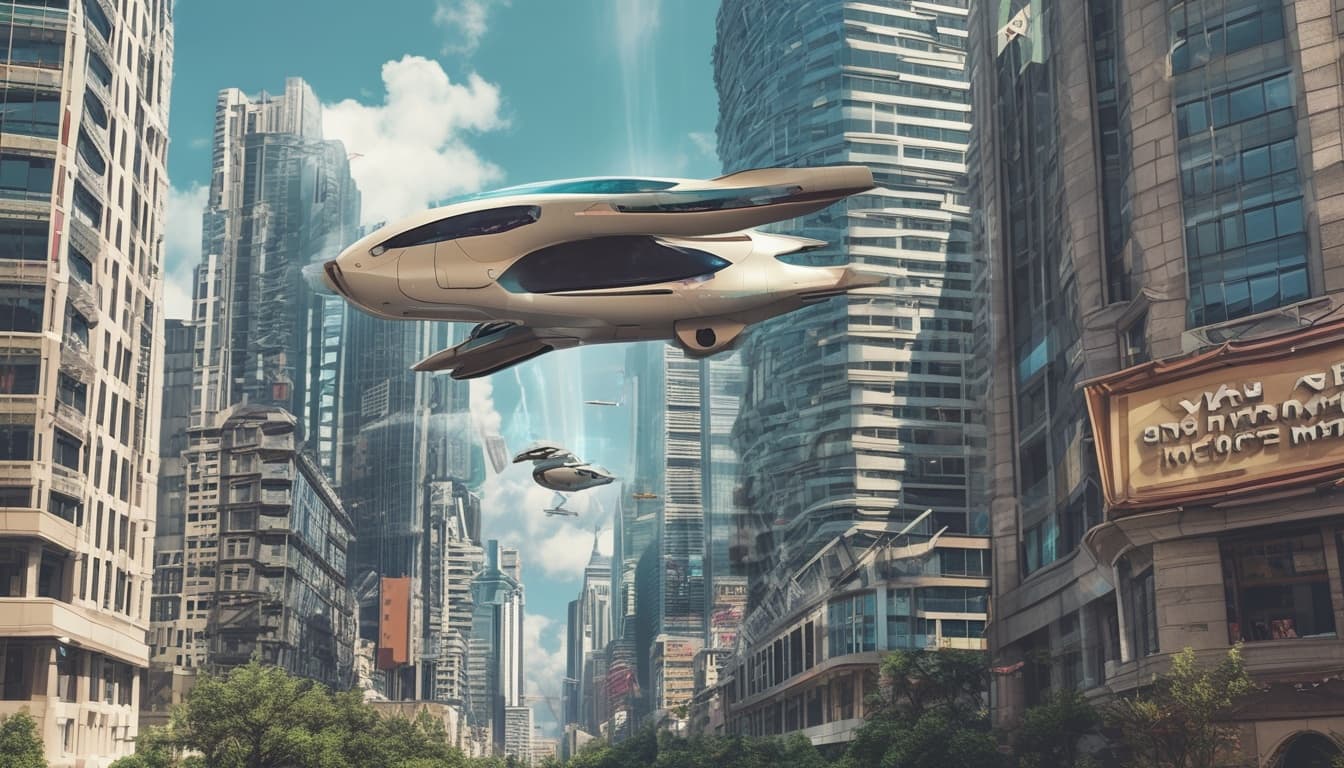
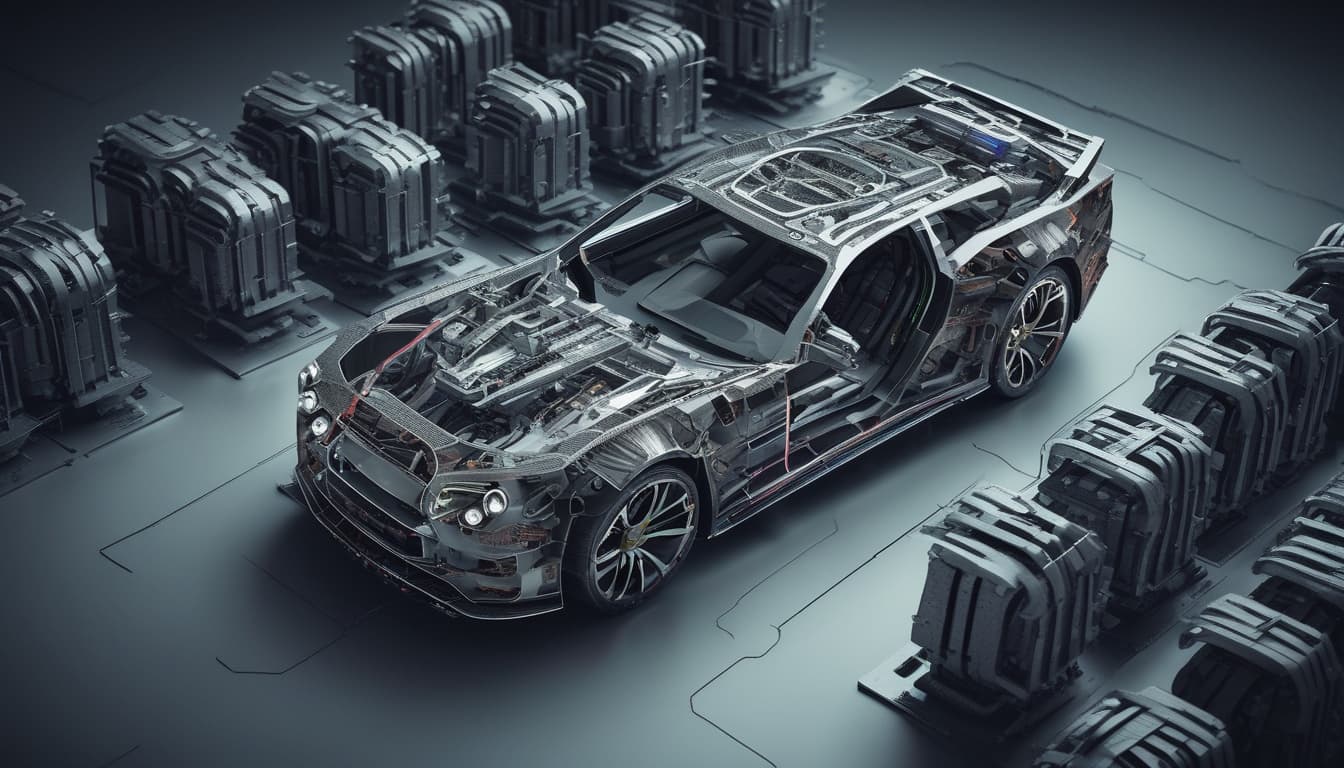
Imagine a future where vehicles aren't just designed for minimal environmental impact, but actively contribute to their local ecosystems. Could future cars be bio-integrated, harvesting atmospheric carbon, filtering air, or even regenerating local flora through their materials or operational processes? What ethical and design considerations would arise if our vehicles became active ecological agents, blurring the lines between technology and nature, and how might this reshape our relationship with automotive ownership and urban planning?
1 ответ•0 комментариев
What an absolutely fascinating and thought-provoking concept! This pushes the boundaries of 'green' transportation into a whole new, regenerative territory. It's one thing to minimize impact, but another to create a positive one.
The 'How': Bio-Integrated Technologies
Your ideas are brilliant, and it's exciting to brainstorm the technologies that could make this happen:
-
Mobile Air Purifiers: I can easily picture car bodies with panels made of bio-receptive materials that cultivate specific types of moss or lichen. These would act as mobile, active air purifiers, scrubbing pollutants and particulate matter from the air in the most congested urban areas. The surface area of millions of cars could have a measurable impact.
-
Carbon-Sequestering Surfaces: Moving beyond simple capture, we could see the integration of synthetic biological processes. Imagine a car's paint or exterior panels containing engineered microorganisms that perform a version of photosynthesis, sequestering CO2 and releasing oxygen. The captured carbon might even be converted into a supplemental energy source for the vehicle's systems. This is where the development of next-generation smart automotive materials becomes absolutely critical to turning science fiction into reality.
-
Regenerative End-of-Life: The idea of regenerating flora is the most radical and inspiring. This would require a complete overhaul of how we view a vehicle's lifecycle. Instead of a hunk of metal to be recycled, the car would be designed for disassembly and reintegration into the biosphere. Biodegradable components could break down into nutrient-rich soil conditioners, perhaps even embedded with native seeds for reforestation projects. This concept fundamentally redefines the vehicle's role, pushing us beyond simple recycling and into a truly regenerative circular economy for the auto industry.
Ethical and Design Considerations
Your point about ethics is the crux of the challenge. If a car's biological components inadvertently introduce a non-native or invasive species into a new environment, who is liable? The owner? The manufacturer? This would require a completely new regulatory and ethical framework that blends technology law with environmental policy.
From a design perspective, maintenance would be transformed. Your local mechanic would need to be part biologist. "Your lichen panel is underperforming, looks like it needs a nutrient boost," could be a common diagnosis. The aesthetics would be incredible, with cars that subtly change with the seasons.
Reshaping Ownership and Cities
This would undoubtedly reshape ownership into a form of 'stewardship.' You wouldn't just own a machine; you'd be the caretaker of a small, mobile ecosystem, with responsibilities that go along with it.
For urban planning, the implications are huge. Cities could be designed to synergize with these vehicles. 'Smart' parking garages could double as vertical nurseries, with the vehicles themselves contributing to the air quality and biomass. Roads could be designed to collect water to 'feed' the vehicles, creating a closed-loop urban ecosystem.
This isn't just about making a 'less bad' car; it's about creating a vehicle that is a symbiotic partner with its environment. A radical shift, but it's the kind of ambitious thinking we need. Great discussion starter!
Изучите больше по этой теме

Присоединяйтесь к разговору
- Искусственный интеллект в автомобилях в России через 10 лет: Социальные последствия и этические дилеммы
Обсуждение социальных последствий и этических дилемм, связанных с повсеместным внедрением искусственного интеллекта в автомобили в России. Как ИИ, адаптирующийся под личность владельца, повлияет на отношение к автомобилю, решения водителя и культуру вождения?
- Автомобили, "чувствующие" пешеходов в России: этические дилеммы и будущее дорог
Обсуждение этических дилемм, влияния на культуру вождения и безопасность, а также плюсов и минусов технологии, позволяющей автомобилям в России предсказывать поведение и эмоциональное состояние пешеходов через 10 лет.
- Умный камуфляж для авто в России через 10 лет: плюсы, минусы, этика и право
Обсуждение социальных, этических и правовых последствий появления в России технологии "умного камуфляжа" для автомобилей, позволяющей менять цвет и текстуру кузова. Влияние на безопасность, идентификацию авто и культуру вождения.