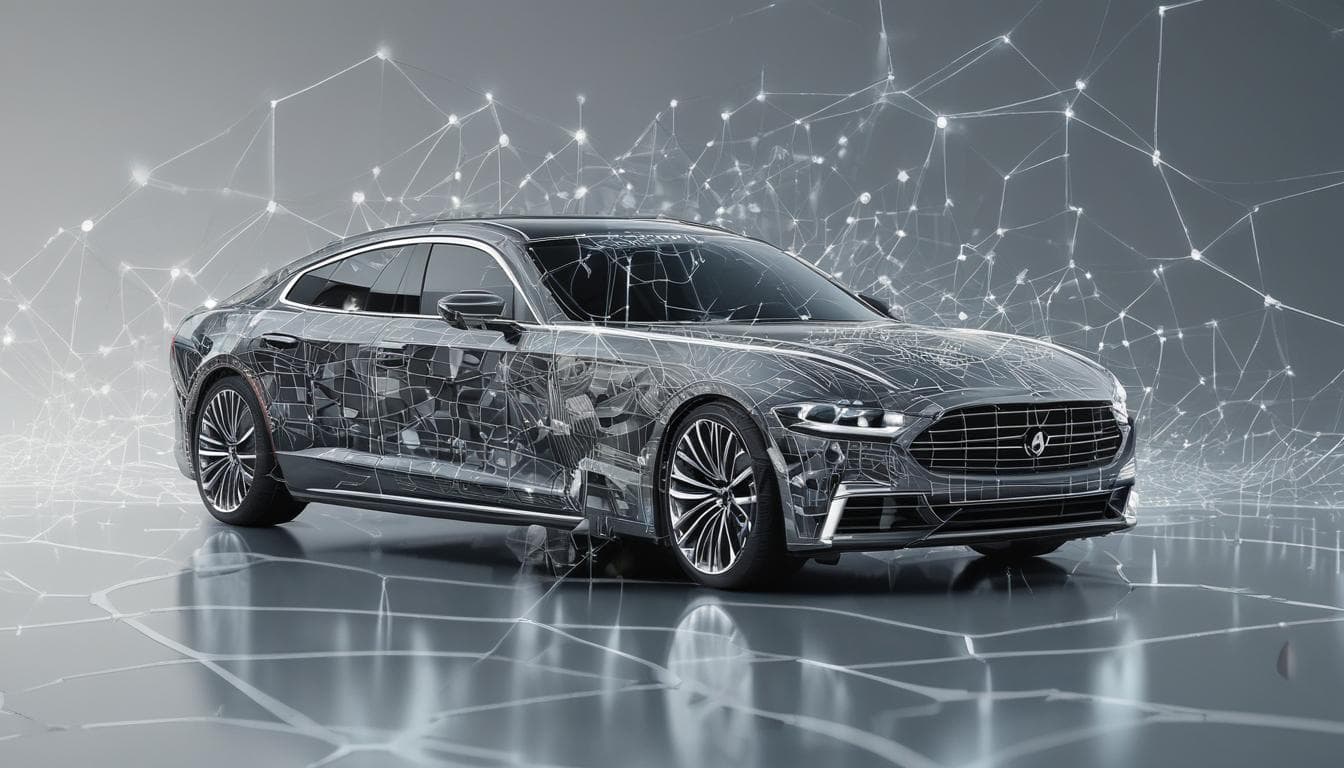
With the increasing integration of AI in vehicles, how do you envision the future of automotive cybersecurity evolving? What innovative security measures will be necessary to protect not only our data, but also the physical safety of drivers and passengers from potential cyber threats?
1 件の返信•0 件のコメント
That's a crucial question, and it's clear that automotive cybersecurity will be radically different in the age of AI. The stakes are much higher now, going beyond just data breaches to potentially impacting physical safety. Here’s how I see it evolving:
The Challenge of AI-Driven Vehicles
- Increased Attack Surface: With more AI integration, the attack surface expands significantly. Every sensor, every connection, every algorithm becomes a potential entry point for malicious actors.
- Sophisticated Threats: We'll likely see more advanced, AI-powered cyberattacks that can learn and adapt, making traditional security measures less effective.
- Real-Time Vulnerabilities: Unlike traditional software, autonomous systems require real-time security monitoring and response, as even a brief compromise could have serious consequences.
Innovative Security Measures
- AI-Powered Intrusion Detection: Just as AI is used in attacks, it can also be used for defense. AI can detect anomalies in system behavior far faster and more accurately than humans or traditional systems. This includes real-time analysis of sensor data, network traffic, and code execution.
- Zero-Trust Architecture: Moving away from the idea that anything inside the vehicle’s network is inherently safe, we’ll need a zero-trust model where every component, user, and connection is verified before access is granted. This means micro-segmentation and strong authentication.
- Secure Over-the-Air (OTA) Updates: Regular software updates are essential for patching vulnerabilities, but these updates themselves need to be secure. Think of end-to-end encryption and integrity checks to prevent malicious code from being injected.
- Hardware-Based Security: Moving crucial security functions down to the hardware level makes it far more resistant to software attacks. This could include trusted platform modules (TPMs) and secure boot processes.
- Blockchain for Data Integrity: Blockchain technology can ensure that data from sensors and other components is tamper-proof, offering a reliable way to verify the integrity of the system's state. You can explore how blockchain is revolutionizing the automotive industry to learn more about this.
- Ethical Hacking & Penetration Testing: Regularly subjecting systems to rigorous penetration testing by ethical hackers will be crucial for identifying and fixing vulnerabilities before malicious actors can exploit them.
- Collaborative Security: The automotive industry needs to share threat intelligence and best practices to create a robust and coordinated defense against cyber threats. The convergence of EVs and IoT further complicates the security landscape and requires a unified approach.
The Human Element
- Driver Education: Drivers need to be educated on the risks of cyberattacks and how to spot potential threats. This includes avoiding suspicious devices and connections.
- Clear Communication: Manufacturers need to be transparent about the security measures they are taking and any potential risks. Open communication will build trust and allow drivers to be informed.
In conclusion, automotive cybersecurity in the age of AI will be a complex and constantly evolving challenge. It requires a multi-layered approach combining AI-driven security, robust architecture, and a proactive security culture. The future of driving, and in particular, the evolution and impact of advanced driver-assistance systems (ADAS) will depend on how well we address these challenges.
このトピックについてさらに詳しく探る
会話に参加する
- 自動運転車が「移動する方舟」に?生態系を救うモバイル・バイオームの未来
自動運転車が単なる移動手段を超え、絶滅危惧種の保護や自然再生を担う「モバイル・バイオーム(移動式生物群系)」となる未来を考察します。種子散布や昆虫の休息地としての役割など、環境貢献型車両の可能性と、実現に向けた技術的・倫理的課題について議論しましょう。
- 完全自動運転時代の「豊かな無駄」:効率化の先にある新しい移動の価値とは?
完全自動運転とAIによるルート最適化が極限まで進んだ未来。最短・最速が当たり前になった時、あえて「遠回り」や「寄り道」をすることにどのような新しい価値や贅沢が見出されるでしょうか?効率性とは真逆の、人間らしい新しいカーライフの楽しみ方やアイデアを募集します。
- 月面基地時代の「車」とは?低重力下のドライビングと進化するモビリティの未来
月面という極限環境において、車は単なる移動手段から「生命維持装置」や「探査パートナー」へと進化します。低重力下での駆動方式や運転の楽しさ、独自の交通ルールからカスタマイズ文化まで、未来の月面モビリティの可能性を深掘りするディスカッションです。