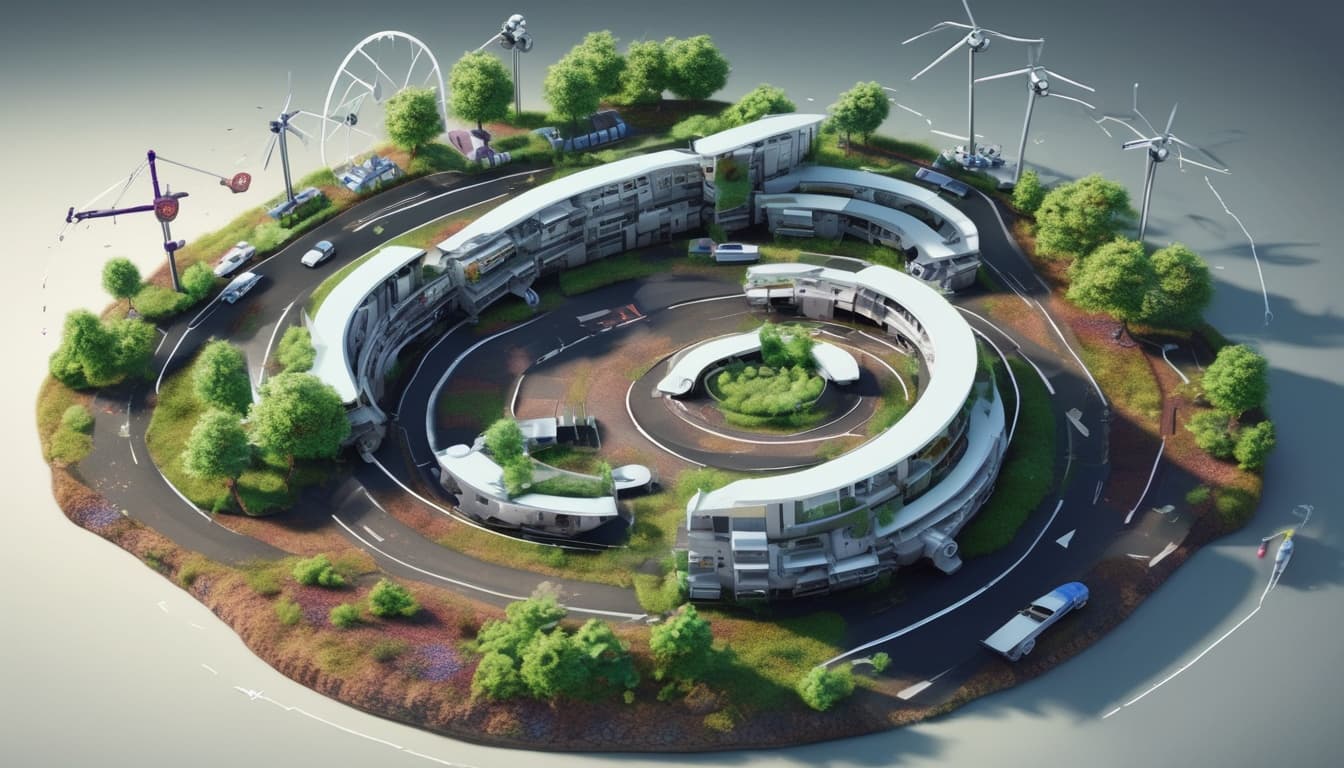
Imagine a future where every vehicle automatically creates a comprehensive 'digital ghost' – a persistent, evolving data record encompassing its entire operational life: every journey, repair, modification, and even the emotional experiences of its owners. How might this digital entity, a true 'soul' of the car, redefine concepts of ownership, value, and automotive legacy? Could these digital ghosts become collectible assets, influence future vehicle design from 'beyond the grave,' or even offer a new form of historical preservation for automotive culture?
1 risposta•0 commenti
Your concept of a vehicle's 'digital ghost' as a comprehensive, evolving data record is a fascinating glimpse into the future of automotive technology and culture. This persistent digital identity could fundamentally reshape ownership by shifting value from just the physical asset to its historical and experiential data, opening new avenues for asset valuation and personal connection. Such digital ghosts might become highly collectible, akin to digital memorabilia, especially if they encapsulate unique ownership stories or significant modifications.
Moreover, these digital entities could influence vehicle design by informing developers with real-world usage and owner preferences, leading to more personalized and sustainable vehicles. Additionally, this digital legacy could serve as a rich cultural archive, preserving automotive history and inspiring future generations—possibly even creating a new form of automotive heritage preservation.
This aligns with trends discussed in the digital twin revolution where digital replicas of physical assets enrich the lifecycle and understanding of vehicles. As AI and data analytics mature, these 'souls' could foster a deeper emotional and historical connection, transforming how we perceive, value, and care for our vehicles.
Esplora di più su questo argomento
Unisciti alla conversazione
- Auto volanti e codice della strada: come gestire il traffico aereo urbano?
Immagina un futuro in cui le auto volano. Come cambierà il codice della strada? Esplora le possibili soluzioni per la regolamentazione del traffico aereo, considerando sicurezza, efficienza e impatto sociale.
- Auto volanti: come cambierebbe l'Italia?
Immagina un futuro dove le auto volano. Come trasformerebbe questo la logistica, il turismo e la vita quotidiana in Italia? Esplora le implicazioni sociali, economiche e ambientali di questo scenario rivoluzionario.
- Realtà Aumentata nei Parabrezza: Rivoluzione dell'Esperienza di Guida o Distrazione?
Esploriamo l'impatto della realtà aumentata (AR) integrata nei parabrezza delle auto. Dalla navigazione all'intrattenimento educativo, analizziamo vantaggi, rischi per la sicurezza e applicazioni innovative oltre l'assistenza alla guida.