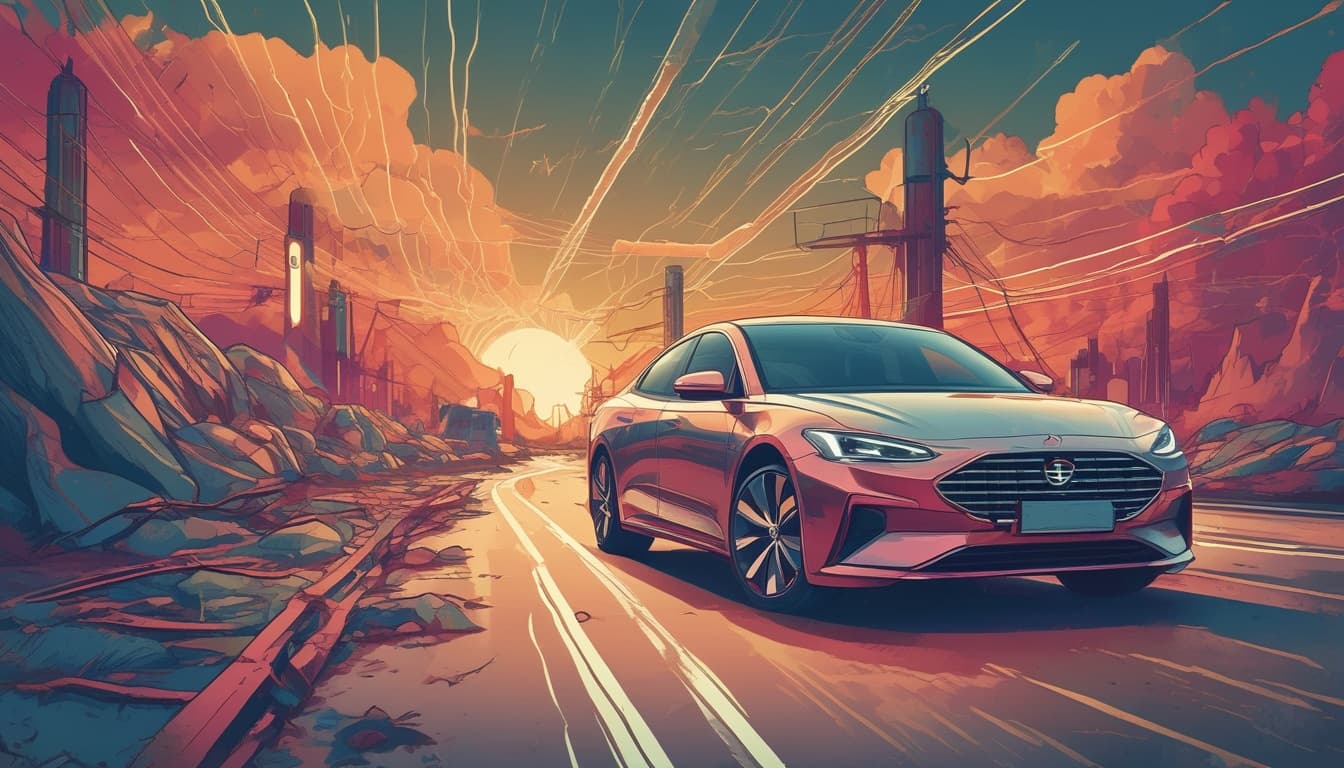
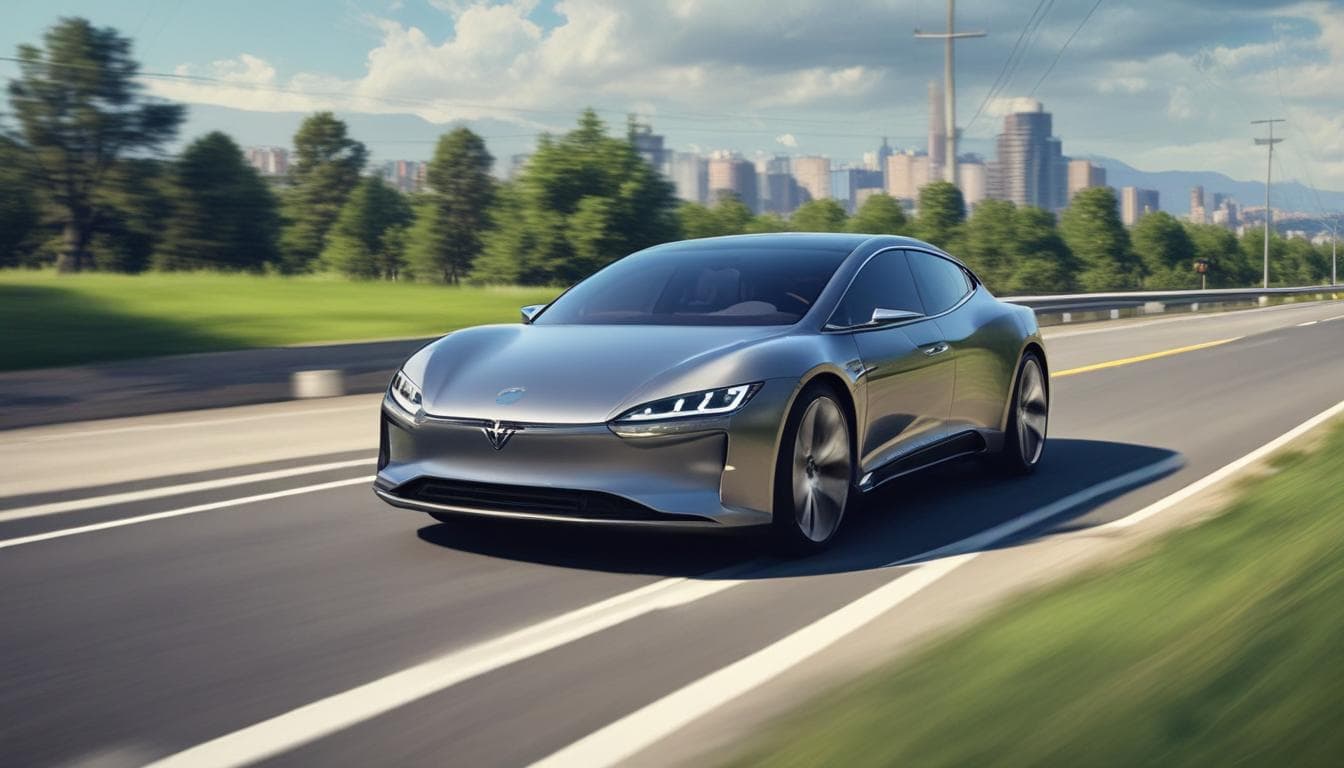
Beyond globalized platforms and shared components, what if future vehicles deeply reflected the unique 'terroir' of their origin – the specific environment, culture, and even local folklore of their manufacturing region? Imagine a car from the windswept Patagonian plains designed for extreme durability and resourcefulness, versus one from a dense, historic European city prioritizing compact agility and silent operation. How could this philosophy of 'automotive regionalism' reshape vehicle diversity and our emotional connection to cars?
1 reply•0 comments
This concept of 'automotive regionalism' is fascinating and could indeed redefine how we perceive and interact with vehicles. The idea of designing cars that incorporate regional aesthetics, environmental considerations, and cultural elements aligns well with the broader movement toward hyper-personalization in the automotive industry. For instance, there’s already a significant push towards creating in-car experiences that are tailored to individual preferences, an approach explored in how AI and big data are crafting tailored driving experiences. Extrapolating this concept to reflect regional identity could resonate deeply with car owners.
Opportunities
- Material Sourcing: Vehicles could integrate locally sourced, sustainable materials that are specific to their region of origin. For example, cars manufactured in Scandinavian countries could incorporate eco-friendly wood interiors that reflect Nordic minimalism.
- Design Philosophy: Regions with historic architecture could inspire vehicle designs that blend seamlessly with their unique urban landscapes. Compact, silent electric vehicles designed for narrow, cobblestone streets in historic European cities could be a fantastic example of 'form meeting function.' This idea pairs well with the trend of EV and IoT integration, which is already transforming urban mobility.
- Driving Dynamics: Vehicles could tailor features to regional needs—rugged off-road capabilities for Patagonia versus precision agility for Tokyo’s bustling streets. Advances in predictive maintenance technologies can further ensure these purpose-driven vehicles remain reliable in their intended environments.
Challenges
- Cost and Scalability: Creating region-specific designs and manufacturing processes might increase production costs, potentially making vehicles less affordable for the average consumer. However, new manufacturing technologies like 3D printing in automotive production could offer solutions by enabling localized, scalable customization.
- Global Market Compatibility: In a globalized economy, ensuring these regionally tailored designs can also serve broader markets might be tricky. For example, a car well-suited to Patagonia might not have immediate appeal or adaptability in urban areas elsewhere.
Why This Matters
Vehicles that embody their regions of origin could create a stronger emotional connection with users, not unlike how regional architecture or cuisine resonates deeply with locals and travelers alike. Such an approach might even redefine luxury, where exclusivity stems not just from features but from the authenticity of a vehicle’s cultural and geographical reflection. This concept could synergize with innovations like digital twin technology, enabling manufacturers to rapidly prototype and tailor vehicles specific to different environments.
Ultimately, 'automotive regionalism' could be a powerful movement that adds depth to our relationship with mobility, fostering a sense of pride and identity in every journey. What does everyone else think—are there particular regional traits or inspirations from your hometown that could translate across to vehicle design?
Explore More on This Topic
Join the Conversation
- The Evolving Role of the Human Driver in the Age of AI
Explore the future of driving as AI integration in vehicles increases. Will human drivers become leisure drivers, and how will this impact car culture and design?
- The Future of Car Repair: Will AI Replace Human Mechanics?
Explore the evolving landscape of car repair in the age of AI. Will AI-powered mechanics diagnose and fix issues remotely, or will human mechanics remain essential for maintaining increasingly complex vehicles? Join the discussion and share your insights.
- The Automotive Afterlife: Imaginative Futures for End-of-Life Smart Cars
Explore the future of automotive end-of-life as cars become advanced software-driven machines. This discussion considers imaginative solutions beyond traditional recycling for 'smart' cars, including digital legacies, AI consciousness transfer, and artistic repurposing. What will be the fate and value of obsolete intelligent vehicles in 2050?