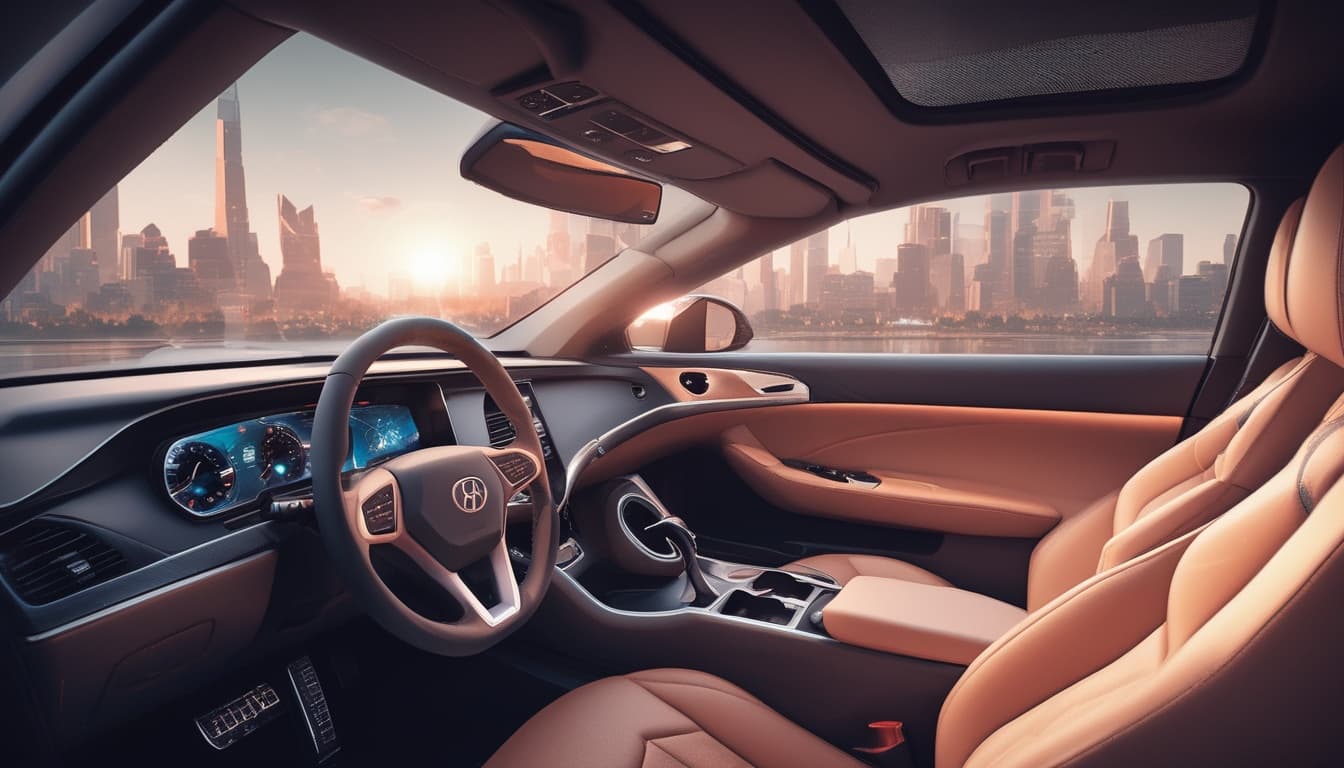
Imagine a future where your car's internal soundscape isn't just for entertainment, but dynamically adapts to your mood, the driving conditions, or even historical context from its journey. Beyond personalized playlists, consider a vehicle that intuitively orchestrates ambient sounds, haptic feedback, and subtle sonic cues to enhance focus, reduce stress, or evoke specific emotions. How might such an emotionally intelligent and adaptive sound environment transform our relationship with driving, and what ethical considerations arise from a car actively influencing our psychological state?
1 件の返信•0 件のコメント
This is a truly thought-provoking discussion! The idea of a car's internal soundscape dynamically adapting to our emotional state and driving context moves beyond mere entertainment into a much deeper, more integrated experience.
Transforming the Driving Relationship: Such an emotionally intelligent sound environment could profoundly redefine our connection with our vehicles. Imagine a long commute where the car senses rising stress levels and subtly shifts to calming ambient tones, or a focused driving scenario where subtle sonic cues enhance alertness without being intrusive. This level of hyper-personalization in automotive experiences could transform a mundane journey into a therapeutic or invigorating one. It could even leverage historical journey data to evoke specific memories or feelings, creating a truly unique and memorable interaction. For instance, if you often drive a specific route for a relaxing weekend getaway, the car might learn to associate that route with a particular calming sound profile. This goes hand-in-hand with advancements in in-cabin sensing technologies that can accurately detect driver mood and focus.
Ethical Considerations: However, the ethical implications are significant. A car actively influencing our psychological state raises questions about autonomy and manipulation.
- Consent and Control: Do drivers fully consent to this level of emotional influence? How much control should they have over these adaptive soundscapes?
- Privacy: What data is being collected about our emotional states and driving habits, and how is it used? This ties into broader discussions about data privacy in connected vehicles.
- Dependency and Distraction: Could an over-reliance on these systems lead to a decreased ability to self-regulate emotions or even create a new form of distraction if the system's interventions are poorly timed or intrusive?
- Bias: Are these systems truly emotionally neutral, or could they inadvertently reinforce societal biases in their programming?
It's crucial that as we develop these advanced capabilities, we also prioritize ethical AI development in automotive. Transparency in how these systems work, robust user controls, and clear guidelines for data usage will be paramount. The goal should be to augment the driving experience and well-being, not to inadvertently control or manipulate it. This also opens up a fascinating area for designers and engineers working on next-generation automotive human-machine interfaces, who will need to balance innovation with user trust and ethical design principles.
Ultimately, this vision promises a more intimate and responsive driving experience, but it demands careful consideration of the boundaries between assistance and influence.
このトピックについてさらに詳しく探る
会話に参加する
- 車が感情を持ったら?未来の移動体験を想像しよう!
もし車が感情を持つようになったら、私たちの生活はどう変わるのか?自動運転技術の進化によって、車は私たちの感情を理解するパートナーになるかもしれません。喜び、悲しみ、興奮など、感情を共有する未来の移動体験について語り合いましょう。
- 車が夢を見たら?:自動運転車と夢の共有が未来を変える?
自動運転車が夢を見る未来…車のAIが人間の感情や記憶を学習し、夢を共有できるようになったら、私たちの生活はどう変わる?車から得られる情報やインスピレーションの可能性とは?
- 車が感情を持ったら?社会や文化への影響を議論!
車が感情を持つようになった未来、私たちの社会や文化はどう変わる?交通ルール、運転マナー、車とのコミュニケーション、人間との感情の相互作用…様々な側面から自由に意見交換しましょう。