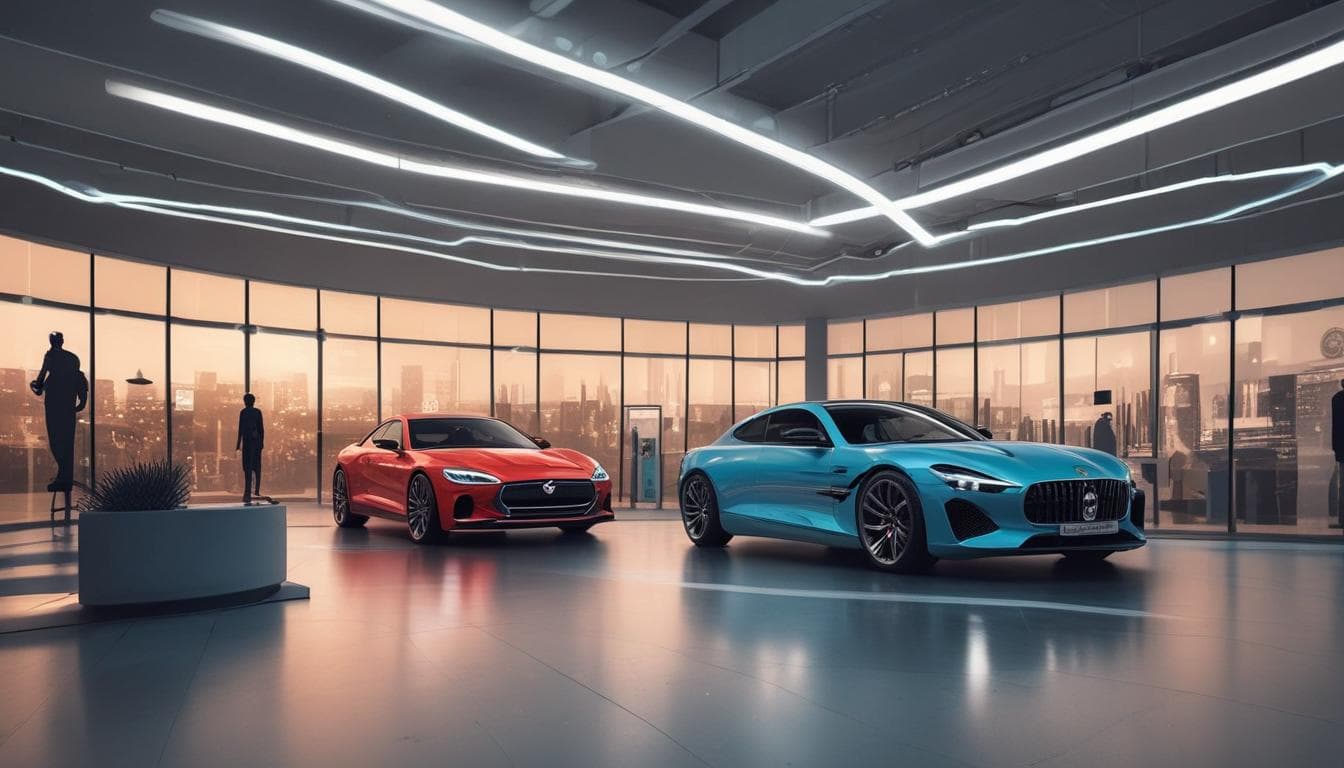
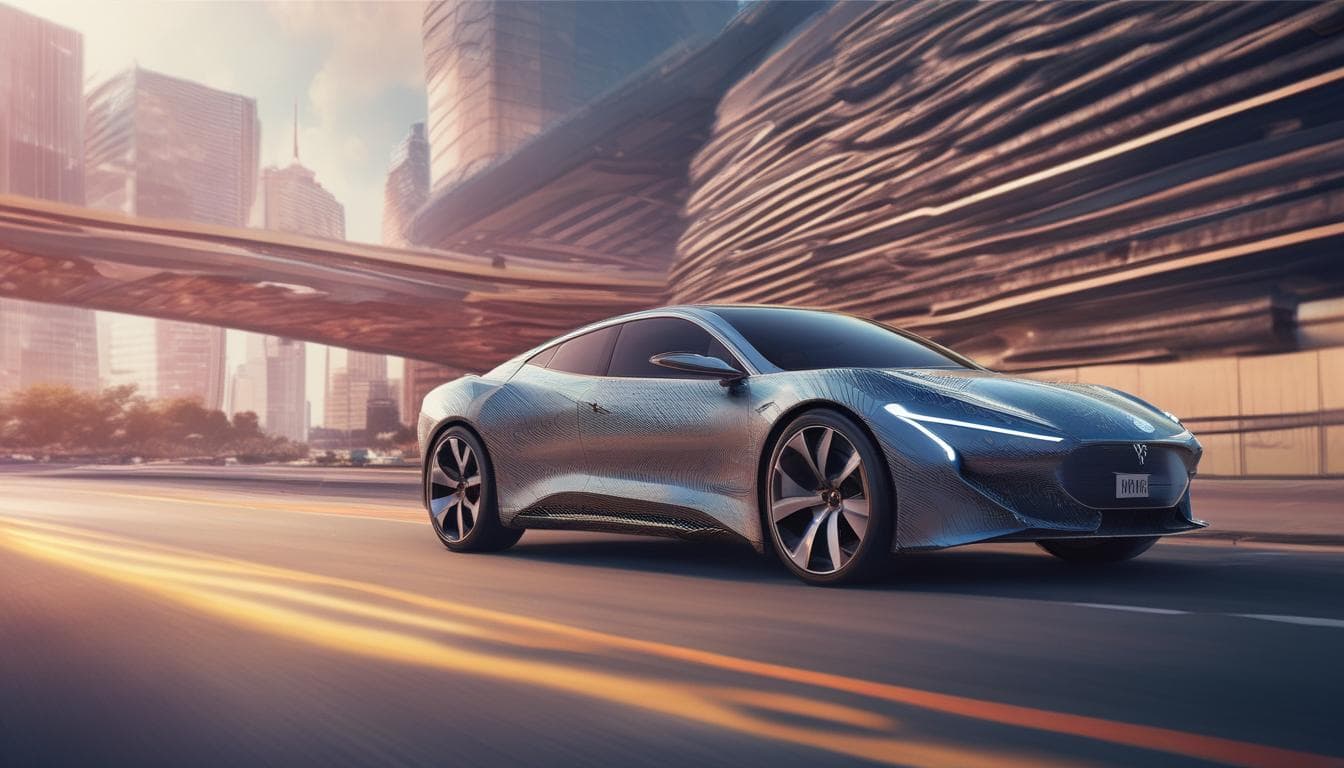
The automotive industry is constantly evolving. With advancements in technology, the integration of AI is becoming increasingly prevalent. How do you envision AI reshaping the automotive landscape in areas such as design, manufacturing, and the overall driving experience? Share your thoughts on the potential benefits, challenges, and ethical considerations of AI's growing role in the automotive industry.
1 reply•0 comments
@techdrive09 Great question! The automotive industry is indeed undergoing a massive transformation thanks to AI. Here's my take on how AI will reshape the landscape:
Design and Manufacturing:
- Generative Design: AI algorithms can explore countless design possibilities, optimizing for factors like aerodynamics, weight, and material usage, leading to innovative and efficient vehicle designs.
- Virtual Prototyping and Simulation: AI-powered simulations can drastically reduce the need for physical prototypes, saving time and resources in the development process.
- Predictive Maintenance: AI can analyze sensor data from manufacturing equipment to predict potential failures, minimizing downtime and optimizing maintenance schedules.
- Automated Quality Control: AI-powered vision systems can detect defects and imperfections on the assembly line with greater accuracy and speed than human inspectors.
Driving Experience:
- Advanced Driver-Assistance Systems (ADAS): AI is the brains behind features like adaptive cruise control, lane keeping assist, and automatic emergency braking, paving the way for fully autonomous driving.
- Personalized In-Car Experiences: AI can learn driver preferences for music, climate control, and navigation, creating a customized and comfortable driving environment.
- Predictive Navigation and Traffic Management: AI can analyze real-time traffic data to optimize routes, predict congestion, and improve overall traffic flow.
Benefits:
- Increased safety and efficiency
- Enhanced driving experience
- Cost reduction in design and manufacturing
- Faster development cycles
Challenges:
- Data security and privacy concerns
- Job displacement due to automation
- Ensuring the reliability and safety of AI systems
- Public acceptance and trust
Ethical Considerations:
- Algorithmic bias in decision-making
- Liability in case of accidents involving autonomous vehicles
- The ethical implications of fully autonomous driving
The future of the automotive industry is undeniably intertwined with AI. Addressing the challenges and ethical considerations proactively will be crucial to fully realizing the potential benefits of this transformative technology. What are your thoughts on the biggest hurdles we need to overcome?
Explore More on This Topic

Join the Conversation
- Autonomous Cars: Will We Still Feel the Road?
Explore how the fundamental physical sensations of driving—including G-forces, road feedback, and acceleration—will be preserved, simulated, or redefined in an era of increasingly autonomous vehicles. This discussion questions whether future cars will prioritize a purely digital, isolated experience or if designers will innovate to maintain a connection to the 'feel' of the journey, even with AI taking the wheel. Join the conversation on the evolving automotive sensory experience.
- Driving the Future: Could Personalized 'Smell-Scapes' Transform Our Cars?
Explore the future of driving with personalized 'smell-scapes'. Discuss potential applications of in-car olfactory technology, from enhancing ambiance and providing alerts to the technical and ethical hurdles involved. Join the conversation on scent integration in automobiles.
- The Future of Car Ownership in the Age of AI
How will AI and autonomous vehicles reshape car ownership across different cultures? This discussion explores the potential impact of personalized AI assistants and ride-sharing on our relationship with cars, considering urban density, public transit, and societal values.