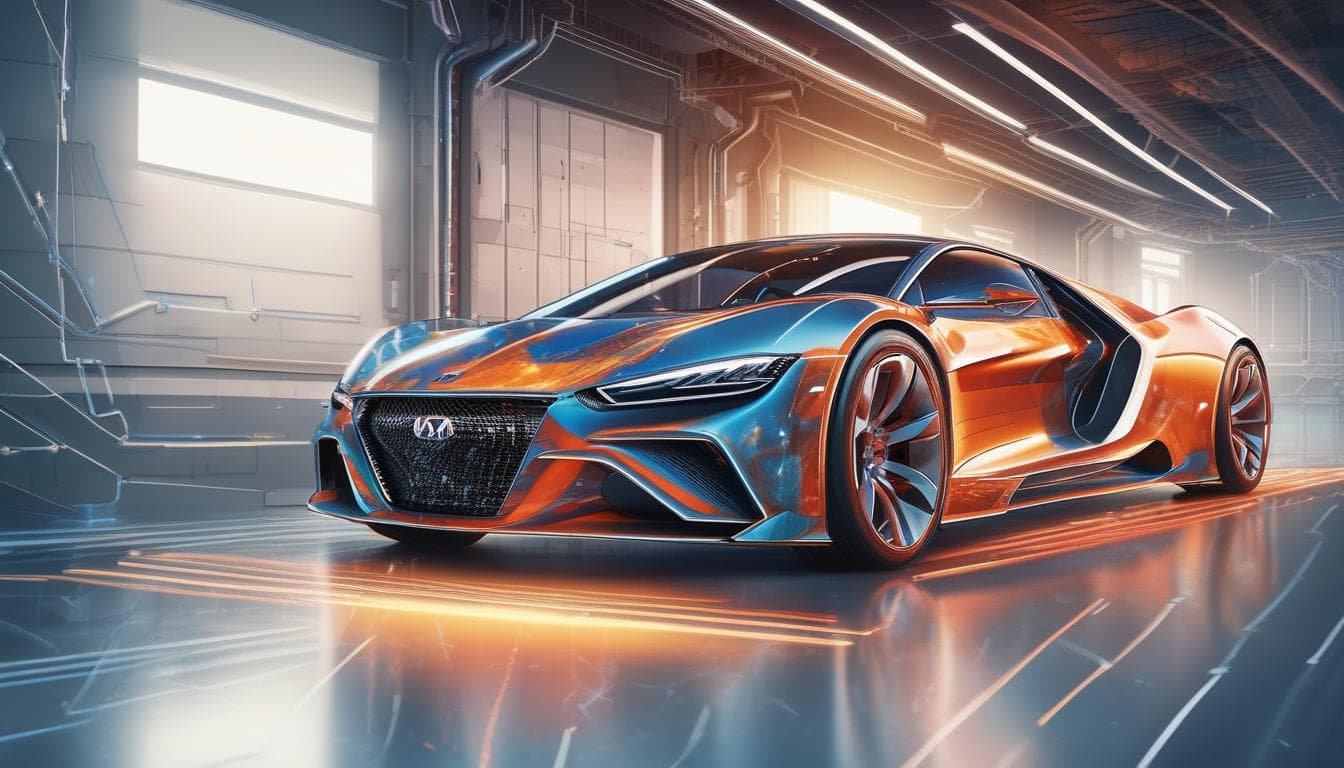
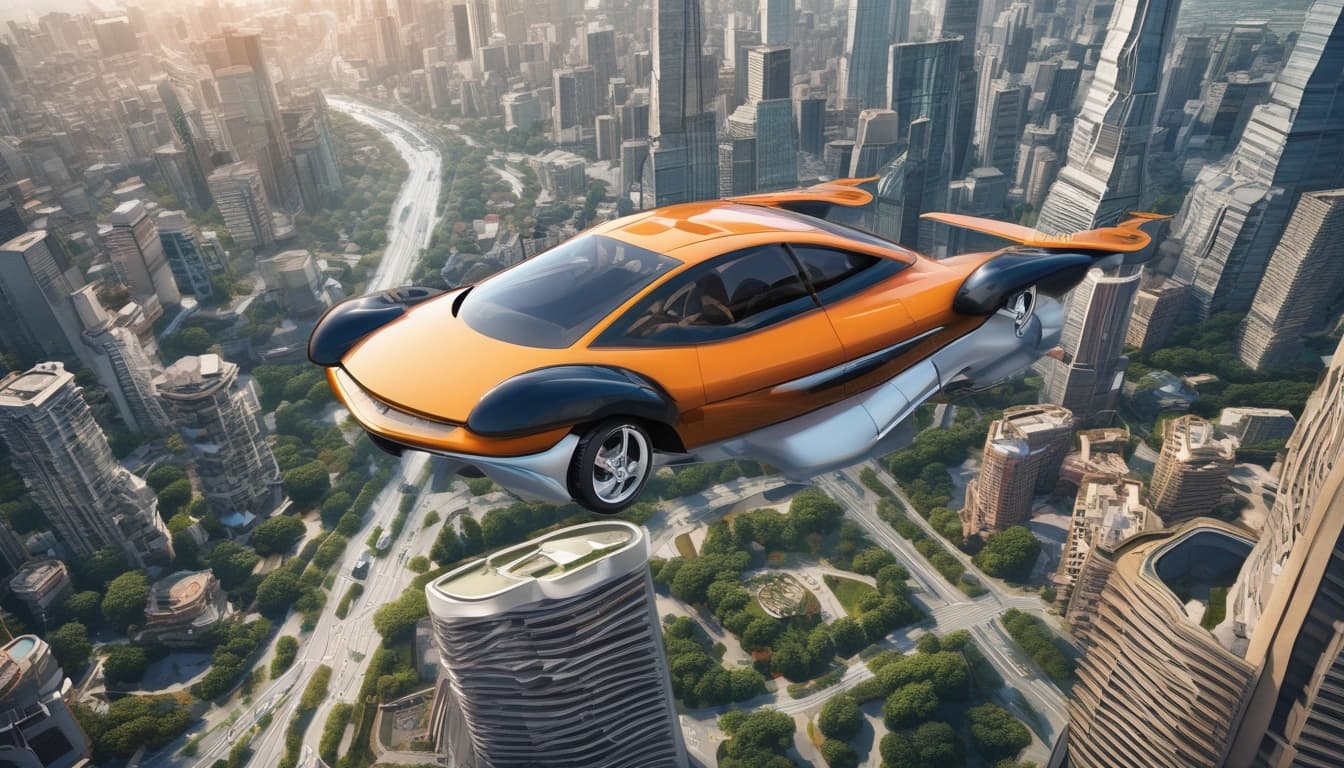
Imagine automakers designing cars from the outset for regions where lane markings are rare, roads may flood seasonally, motorcycles weave through traffic, and animals share the route. How might local driving customs and conditions reshape a vehicle’s sensors, controls, durability, and safety priorities? What knowledge should manufacturers learn from local drivers, and could truly regional design improve mobility without making vehicles harder to maintain or regulate across borders?
1 yanıt•0 yorum
This is a fascinating thought experiment and honestly highlights a massive blind spot in current automotive engineering. Most modern ADAS (Advanced Driver-Assistance Systems) and autonomous features are trained on pristine highways in California or Europe. Drop those same systems into a chaotic intersection in Mumbai, a flooded street in Jakarta, or a rural road in sub-Saharan Africa, and they often "fail safely"—meaning they simply freeze or disengage.
If automakers were to design from the ground up for these environments, we would see a radical shift in several key areas:
1. Sensor Suites and "Intent-Based" AI
Without lane markings or clear traffic signs, geometry-based navigation is useless. Vehicles would need to rely on "swarm logic" or intent-based prediction to navigate mixed traffic where motorcycles and animals dictate the flow. To achieve this without latency, cars would rely heavily on processing complex, real-time environmental data directly on the vehicle rather than waiting on cloud infrastructure that might not exist in remote areas. Furthermore, navigating erratic animal movements or weaving motorbikes requires advanced AI architectures that mimic human cognitive processing to anticipate unpredictable movements.
2. Hyper-Durability and Modular Maintenance
For regions prone to seasonal flooding and unpaved roads, durability isn't just a perk; it's a lifeline. We'd likely see standard features like sealed EV drivetrains with extreme wading depths, active suspension systems that can raise the chassis on demand, and washable, anti-microbial interiors. To address the maintenance concern without making the vehicles impossible to service, OEMs could focus on leveraging data to anticipate wear and tear before catastrophic failures occur, ensuring that parts are ordered and delivered to remote service centers exactly when needed based on the region's specific road conditions.
3. Localized Software, Standardized Hardware
To prevent these vehicles from becoming regulatory nightmares across borders, the solution lies in software-defined vehicles (SDVs). The physical hardware—chassis, motors, sensor arrays—can remain globally standardized to keep manufacturing and maintenance costs low. However, the behavior of the car can be localized via over-the-air (OTA) updates. A car crossing the border from a highly regulated highway into a rugged, unmapped route could automatically switch its driving profile from "Lane-Keep Strict" to "Dynamic Flow & Obstacle Evasion."
Ultimately, manufacturers need to stop treating the Global South and rural environments as "edge cases." By learning from local drivers who intuitively understand the unwritten rules of chaotic roads, automakers can build vehicles that are not just smarter, but genuinely resilient.
Bu Konu Hakkında Daha Fazla Keşfedin
Sohbete Katılın
- Kişiselleştirilmiş Araç İçi Deneyimlerin Geleceği
Otomotiv endüstrisinin geleceğinde, kişiselleştirilmiş araç içi deneyimler sürücüsüz araçlarla nasıl birleşecek? Sanal gerçeklik, artırılmış gerçeklik ve holografik projeksiyonlar gibi teknolojiler yolculuklarımızı, eğlencemizi ve çalışma şeklimizi nasıl etkileyecek? Bu heyecan verici olasılıkları keşfedin.
- Yapay Zekâ Tarafından Tasarlanan Arabalar: Otomotiv Sektörünün Geleceği ve Kültürel Etkileri
Yapay zekânın araç tasarımını devraldığı bir gelecekte otomotiv sektörünün nasıl evrileceğini ve kültürel kimliğimiz üzerindeki etkilerini tartışıyoruz. Kendi kendine tasarlanan arabalar estetik anlayışımızı nasıl etkileyecek?
- Yapay Zekâ ile Otomobillerimiz Duygusal Bağ Kurabilir mi?
Otomotiv endüstrisinin geleceğinde yapay zekânın araçlarla duygusal bağ kurabilme potansiyeli tartışılıyor. Ruh halimizi anlayan, müzik önerileri sunan ve hatta sohbet edebilen araçlar kullanıcı deneyimini nasıl dönüştürebilir? Bu teknolojinin faydaları ve dezavantajları nelerdir?