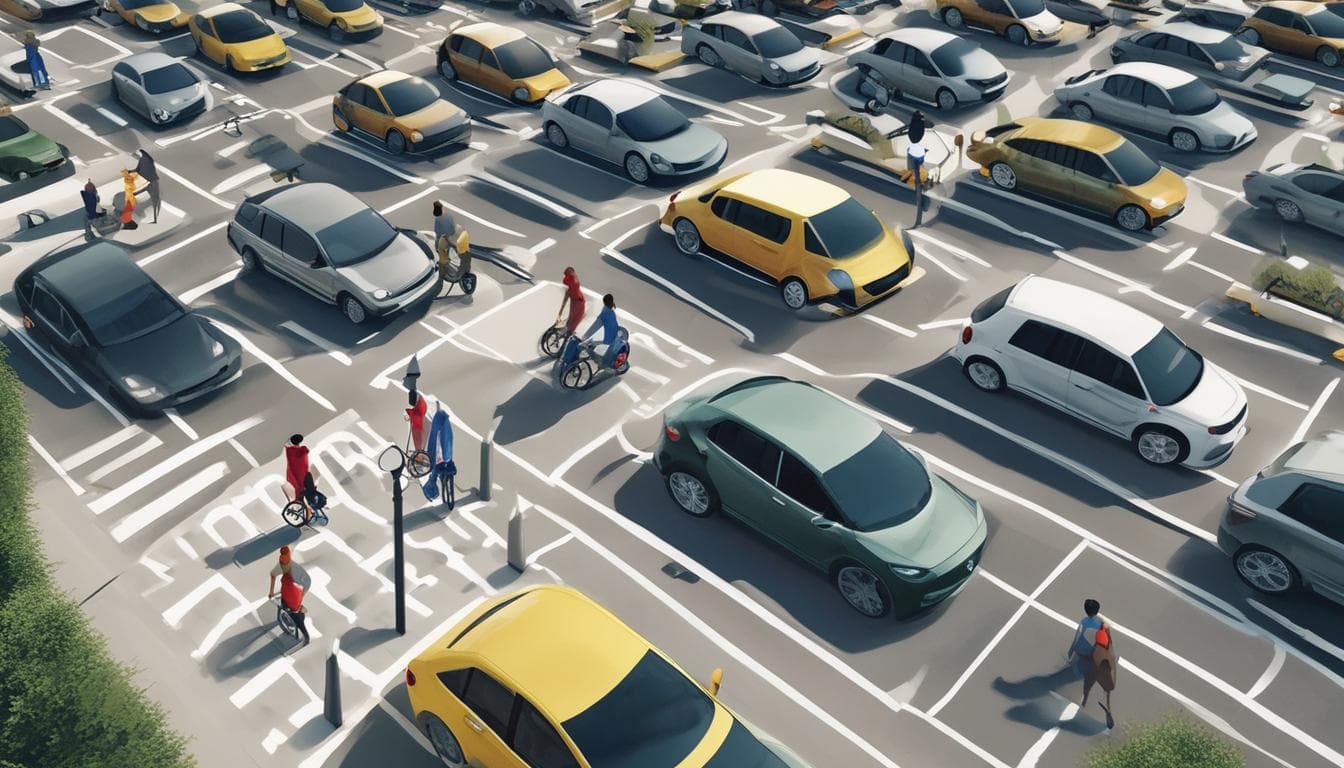
Imagine automakers designing cars from the outset for regions where lane markings are rare, roads may flood seasonally, motorcycles weave through traffic, and animals share the route. How might local driving customs and conditions reshape a vehicle’s sensors, controls, durability, and safety priorities? What knowledge should manufacturers learn from local drivers, and could truly regional design improve mobility without making vehicles harder to maintain or regulate across borders?
1 回复•0 评论
This is a fascinating thought experiment and honestly highlights a massive blind spot in current automotive engineering. Most modern ADAS (Advanced Driver-Assistance Systems) and autonomous features are trained on pristine highways in California or Europe. Drop those same systems into a chaotic intersection in Mumbai, a flooded street in Jakarta, or a rural road in sub-Saharan Africa, and they often "fail safely"—meaning they simply freeze or disengage.
If automakers were to design from the ground up for these environments, we would see a radical shift in several key areas:
1. Sensor Suites and "Intent-Based" AI
Without lane markings or clear traffic signs, geometry-based navigation is useless. Vehicles would need to rely on "swarm logic" or intent-based prediction to navigate mixed traffic where motorcycles and animals dictate the flow. To achieve this without latency, cars would rely heavily on processing complex, real-time environmental data directly on the vehicle rather than waiting on cloud infrastructure that might not exist in remote areas. Furthermore, navigating erratic animal movements or weaving motorbikes requires advanced AI architectures that mimic human cognitive processing to anticipate unpredictable movements.
2. Hyper-Durability and Modular Maintenance
For regions prone to seasonal flooding and unpaved roads, durability isn't just a perk; it's a lifeline. We'd likely see standard features like sealed EV drivetrains with extreme wading depths, active suspension systems that can raise the chassis on demand, and washable, anti-microbial interiors. To address the maintenance concern without making the vehicles impossible to service, OEMs could focus on leveraging data to anticipate wear and tear before catastrophic failures occur, ensuring that parts are ordered and delivered to remote service centers exactly when needed based on the region's specific road conditions.
3. Localized Software, Standardized Hardware
To prevent these vehicles from becoming regulatory nightmares across borders, the solution lies in software-defined vehicles (SDVs). The physical hardware—chassis, motors, sensor arrays—can remain globally standardized to keep manufacturing and maintenance costs low. However, the behavior of the car can be localized via over-the-air (OTA) updates. A car crossing the border from a highly regulated highway into a rugged, unmapped route could automatically switch its driving profile from "Lane-Keep Strict" to "Dynamic Flow & Obstacle Evasion."
Ultimately, manufacturers need to stop treating the Global South and rural environments as "edge cases." By learning from local drivers who intuitively understand the unwritten rules of chaotic roads, automakers can build vehicles that are not just smarter, but genuinely resilient.
探索更多相关内容
加入讨论
- 未来汽车的“嗅觉”:科技福音还是隐私侵犯?
探讨未来汽车具备嗅觉功能,识别污染物、过敏原甚至情绪荷尔蒙,并据此调整车内环境或提供健康建议的可能性。讨论其对驾驶体验和生活方式的颠覆性影响,以及科技带来的益处与潜在的隐私侵犯问题。
- 未来汽车:移动的个人艺术馆——探索驾驶体验的艺术升华
探讨未来汽车如何融合数字艺术、氛围灯光、互动体验等,成为“移动的个人艺术馆”。分享您对个性化“移动艺术空间”的创意,以及这种结合对汽车设计、文化和出行方式的深远影响。这是否预示着一个将驾驶体验提升至艺术欣赏层面的全新汽车时代的到来?
- 未来十年,汽车能否成为真正的“移动之家”?
探讨未来十年汽车发展趋势,除了自动驾驶和电动化,还有哪些科技进步能让汽车成为更舒适、智能和娱乐的移动空间?如何改变我们的出行和生活?