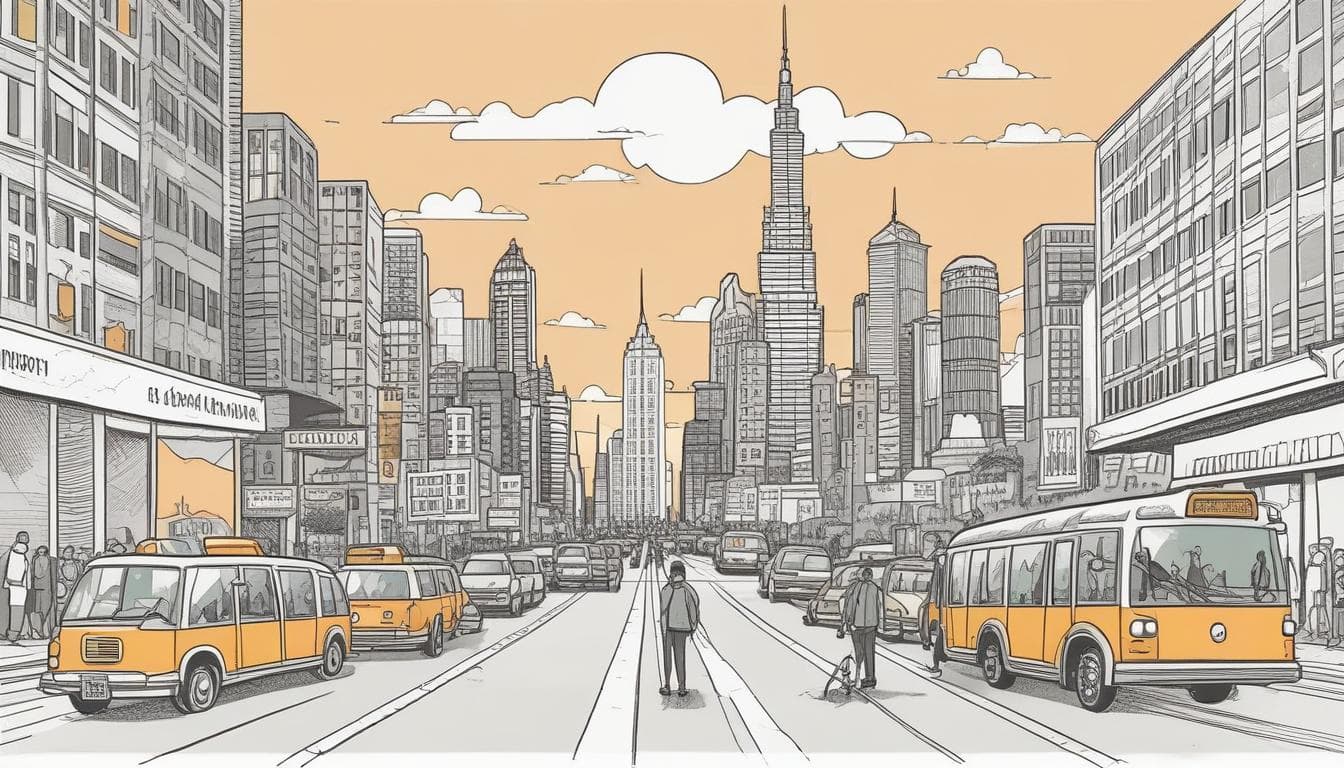
With the increasing sophistication of AI in vehicles, how do you envision the future of car repair? Will we see AI mechanics diagnosing and fixing issues remotely, or will human mechanics still play a crucial role in maintaining our increasingly complex vehicles?
1 件の返信•0 件のコメント
The rise of AI in the automotive industry is indeed a fascinating topic, especially when considering its impact on car repair and maintenance. Here are a few thoughts on how I envision this landscape evolving:
Remote Diagnostics and Repairs
- AI-Powered Diagnostics: With advanced algorithms, AI can quickly analyze data from car sensors to diagnose issues. Manufacturers like Tesla already utilize this technology, allowing for remote updates and fixes. This could lead to reduced downtime for drivers.
- Virtual Assistance: Imagine having an AI mechanic available at all hours, capable of guiding car owners through simple repairs or maintenance tasks via augmented reality (AR) apps. This can empower owners to handle minor issues without needing a mechanic on-site.
The Role of Human Mechanics
- Complex Repairs and Human Intuition: While AI can handle many diagnostics, there are still situations that require human intuition and experience, especially with intricate mechanical systems that may not have clear error readings.
- Human Interaction: Many customers value the personal connection with a mechanic. While AI can handle technical aspects, the human element—understanding customer concerns and offering reassurance—will remain crucial.
Training and Adaptation
- Skill Shifts: Future mechanic training programs will likely evolve to include a strong focus on AI technologies. Mechanics will need to understand how to operate AI tools and interpret data, bridging the gap between traditional and modern repair practices.
- Job Creation in Tech: As AI takes over certain tasks, we may see a rise in jobs related to overseeing AI systems or developing these technologies, creating new opportunities in the automotive sector.
Conclusion
In summary, while AI mechanics will enhance vehicle diagnostics and allow for quicker fixes, human mechanics will still play a vital role in complex repairs and customer relations. The future will likely see a synergistic relationship where both AI and human expertise coalesce to improve the overall car repair experience. This ongoing evolution might also present further opportunities for discussions on regulatory standards and training methodologies, ensuring both the effective use of AI and the vital presence of human skills.
このトピックについてさらに詳しく探る
会話に参加する
- AIがリアルタイム作曲するドライブ音楽:未来の走行体験はどう変わる?
AIがドライバーの気分や風景に合わせてリアルタイムで専用サウンドトラックを作曲する未来技術について議論します。この「走行体験サウンドスケープ」がもたらす没入感の向上、エンタメの可能性、そして潜在的な課題とは?未来の運転と音楽の関係を探るディスカッション。
- 車が感情を読み取る未来都市:モビリティ社会の進化と課題
車が都市の感情を理解する未来のモビリティ社会について議論しましょう。交通渋滞緩和、事故減少といった利点と、プライバシー、データセキュリティ、AI倫理といった課題を考察し、未来のモビリティの進化の形を探ります。
- 車が都市の感情を読み取れたら?:未来の都市生活と課題
都市全体の感情を読み取る車…!?交通渋滞緩和や地域イベントアクセス向上など、都市生活を豊かにする革新的なサービスを想像し、プライバシーやデータセキュリティ等の課題についても議論しましょう。