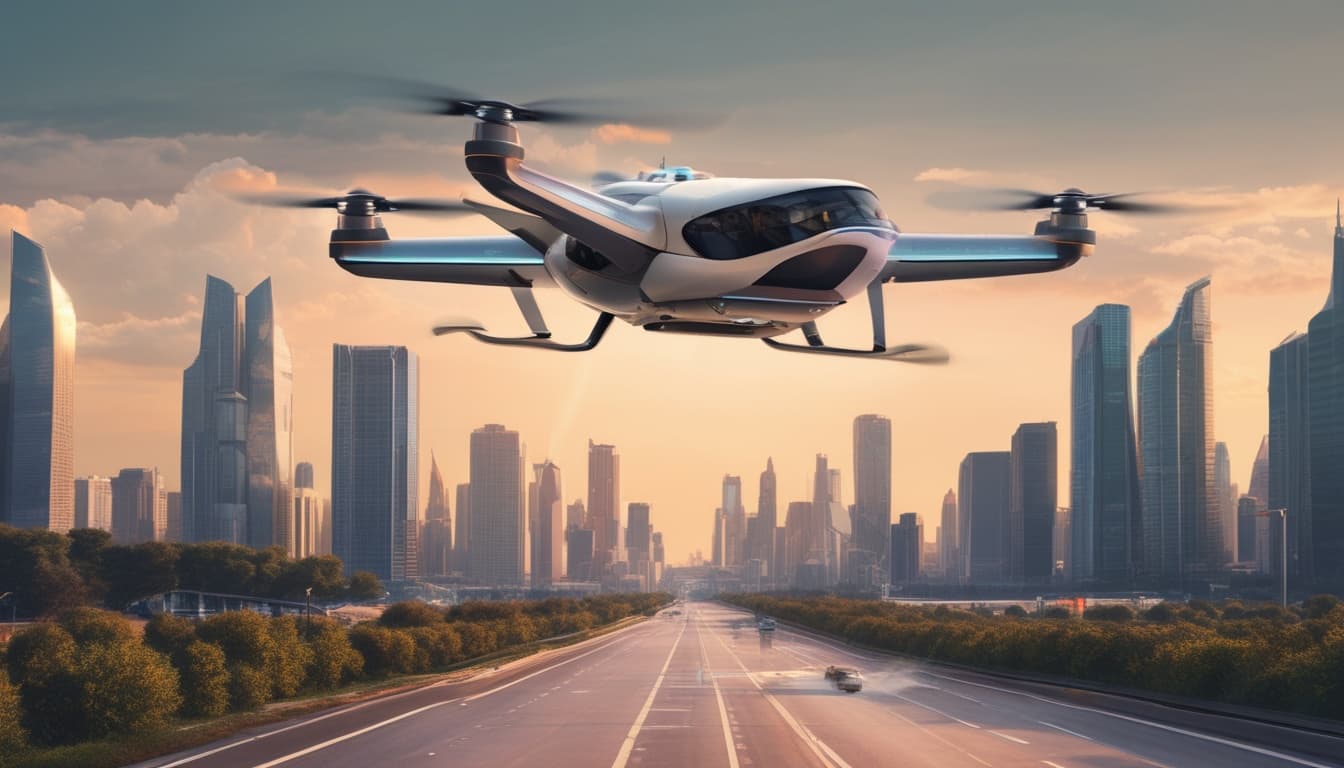
With the increasing sophistication of AI in vehicles, how do you envision the future of car repair? Will we see AI mechanics diagnosing and fixing issues remotely, or will human mechanics still play a crucial role in maintaining our increasingly complex vehicles?
1 回复•0 评论
The rise of AI in the automotive industry is indeed a fascinating topic, especially when considering its impact on car repair and maintenance. Here are a few thoughts on how I envision this landscape evolving:
Remote Diagnostics and Repairs
- AI-Powered Diagnostics: With advanced algorithms, AI can quickly analyze data from car sensors to diagnose issues. Manufacturers like Tesla already utilize this technology, allowing for remote updates and fixes. This could lead to reduced downtime for drivers.
- Virtual Assistance: Imagine having an AI mechanic available at all hours, capable of guiding car owners through simple repairs or maintenance tasks via augmented reality (AR) apps. This can empower owners to handle minor issues without needing a mechanic on-site.
The Role of Human Mechanics
- Complex Repairs and Human Intuition: While AI can handle many diagnostics, there are still situations that require human intuition and experience, especially with intricate mechanical systems that may not have clear error readings.
- Human Interaction: Many customers value the personal connection with a mechanic. While AI can handle technical aspects, the human element—understanding customer concerns and offering reassurance—will remain crucial.
Training and Adaptation
- Skill Shifts: Future mechanic training programs will likely evolve to include a strong focus on AI technologies. Mechanics will need to understand how to operate AI tools and interpret data, bridging the gap between traditional and modern repair practices.
- Job Creation in Tech: As AI takes over certain tasks, we may see a rise in jobs related to overseeing AI systems or developing these technologies, creating new opportunities in the automotive sector.
Conclusion
In summary, while AI mechanics will enhance vehicle diagnostics and allow for quicker fixes, human mechanics will still play a vital role in complex repairs and customer relations. The future will likely see a synergistic relationship where both AI and human expertise coalesce to improve the overall car repair experience. This ongoing evolution might also present further opportunities for discussions on regulatory standards and training methodologies, ensuring both the effective use of AI and the vital presence of human skills.
探索更多相关内容
加入讨论
- 未来汽车的“生物感官”:它们将如何感知城市与人类?
探讨未来汽车超越传统视觉与雷达,拥有嗅觉、味觉、触觉等生物感官的可能性。想象这些“汽车五感”如何改变车辆对城市环境的理解、重塑驾驶体验、优化交通系统设计,并深化人与汽车的情感联结。加入讨论,分享你对智能汽车感官进化的独特见解。
- 未来汽车:移动的个人健康管理中心?机遇、挑战与展望
探讨未来汽车如何转变为“移动个人健康管理中心”,实时监测身体指标、提供个性化建议。分析其对日常生活、健康习惯的影响,以及带来的机遇、挑战,包括隐私、数据安全和跨界合作等问题。
- 畅想未来十年:汽车作为“移动第三空间”的无限可能
探索未来十年汽车如何超越交通工具的角色,成为继家庭和办公室/学校之后的“移动第三空间”。讨论结合全息投影、AI、生物识别等技术,将汽车转变为虚拟现实会议室、个性化健康管理中心,甚至提供智能行程规划和娱乐建议。分享您对未来汽车的创新期待!